



The Momo Bus Franchise
Franchise Quick Facts
| Brand Name | The Momo Bus |
|---|---|
| Industry / Business Category | Quick Service Restaurants / Mobile Food Trucks |
| Founded Year | 2023 |
| Franchise Started Year | 2025 |
| Total Franchise Outlets | 1–10 |
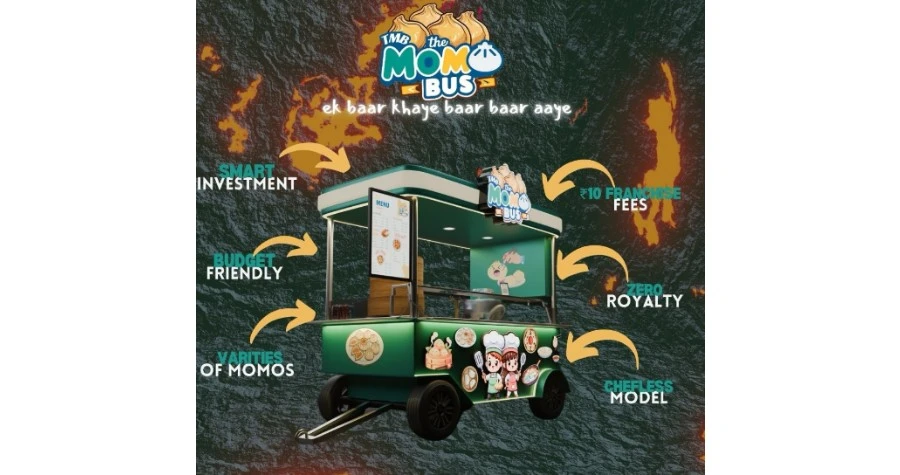
| Estimated Investment | INR 2–5 Lakhs |
| Franchise Fee | Typically a one-time fee granting brand usage and onboarding support |
| Royalty Fee | Usually an ongoing percentage of revenue paid to the franchisor (standard for food truck franchises) |
| Space Requirement | 200–300 sq. ft. for mobile food truck operations |
| Staff Requirement | Cooking staff, service personnel, and administrative support |
| Expected Payback Period | 1–2 years |
1. What is The Momo Bus?
The Momo Bus is a mobile food franchise specializing in Tibetan-style dumplings known as momos. Operating in the quick service restaurant and food truck sector, it offers customizable food options and a fast-casual dining experience. Customers include urban consumers seeking convenient, high-quality, and unique ethnic cuisine. The brand falls under the broader mobile food and quick-service restaurant franchise category.
2. How the Business Works
The Momo Bus operates through food trucks that prepare and serve fresh momos directly to customers. Clients approach the truck, place orders, and receive freshly cooked dumplings on-site. Revenue is generated primarily through individual food sales and bulk orders for events. Daily operations include food preparation, customer service, inventory management, and mobile location planning.
3. Products or Services Offered
Franchise outlets provide:
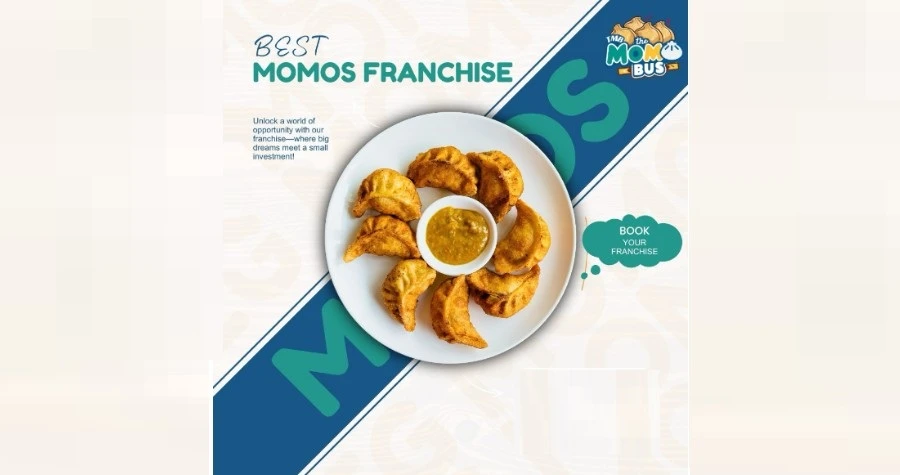
| Tibetan Momos | Steamed or fried dumplings with meat, vegetable, paneer, or sweet fillings |
|---|---|
| Customized Flavors | Variations including spicy, fusion, and dietary-specific options |
| Accompaniments | Sauces and chutneys to complement momo flavors |
| Event Catering | Food truck services for festivals, corporate events, and private gatherings |
| Mobile Dining Experience | On-the-go service with interactive food preparation |
4. How the Franchise Model Works
Franchise partners operate individual food trucks under the brand identity. Responsibilities include:
- Managing daily truck operations, staff, and inventory
- Preparing and serving menu items according to standardized recipes
- Marketing locally and engaging customers at high-traffic areas and events
- Ensuring food safety, quality, and operational efficiency
The franchisor provides support in truck setup, kitchen equipment, menu training, and ongoing operational guidance.
5. Franchise Cost and Investment Overview
Starting a franchise typically involves:
| Estimated Investment | INR 2–5 Lakhs covering the food truck, kitchen equipment, and initial inventory |
|---|---|
| Franchise Fee | One-time payment granting access to the brand and training |
| Setup Costs | Mobile truck outfitting, cooking equipment, signage, and point-of-sale systems |
| Royalty Fees | Generally a small percentage of sales revenue to maintain brand standards |
The model is designed for low overhead relative to traditional restaurant setups.
6. Space and Infrastructure Requirements
Key requirements include:
| Area | 200–300 sq. ft. for the mobile kitchen and service counter |
|---|---|
| Preferred Locations | High-footfall areas, food festivals, corporate events, and public markets |
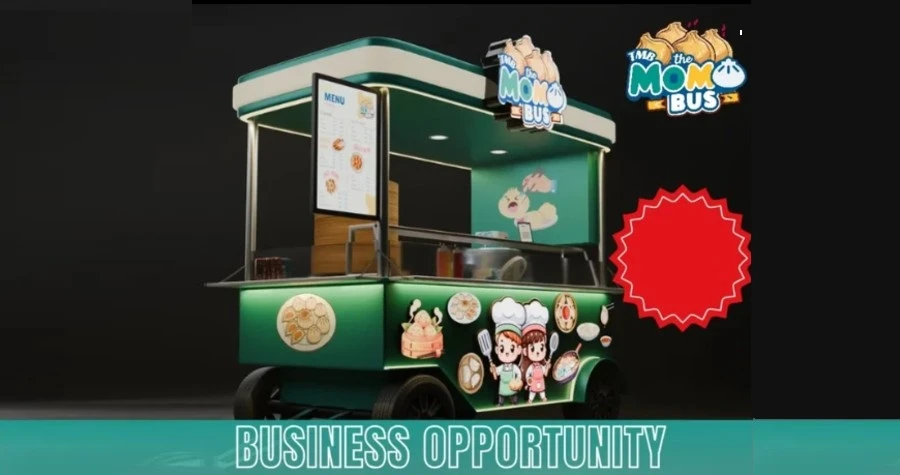
| Equipment Needs | Mobile kitchen with cooking, refrigeration, and serving equipment |
| Staffing | Culinary staff for preparation, service personnel, and administrative support |
The mobile setup allows flexibility in location and outreach.
7. Training and Franchise Support
Franchise partners receive:
| Operational Training | Food preparation, customer service, and truck management |
|---|---|
| Truck Setup Assistance | Guidance on kitchen installation and equipment configuration |
| Marketing Support | Brand promotion, local outreach strategies, and social media guidance |
| Supply Chain Support | Access to approved ingredients and packaging materials |
| Ongoing Business Support | Operational consultation and menu updates to maintain standards |
Support helps franchisees maintain consistency and optimize daily operations.
8. Revenue Model and ROI Factors
Revenue is generated from:
| Food Sales | Individual servings of momos and accompaniments |
|---|---|
| Event Services | Catering for corporate, festival, or private events |
| Repeat Customer Demand | Loyal customers returning for taste and convenience |
| Operational Cost Management | Efficient ingredient sourcing and mobile operations reduce overhead |
Expected payback period is 1–2 years depending on location, customer traffic, and operational efficiency.
9. Brand Background and Expansion
Founded in 2023, The Momo Bus launched its franchise operations in 2025. The current network includes 1–10 outlets with growth focused on mobile food trucks in urban and semi-urban areas. Expansion plans include increasing presence at high-traffic locations, events, and potentially scaling with additional trucks or semi-permanent setups.
10. Key Advantages of the Franchise Opportunity
- Popularity of fast-casual ethnic cuisine
- Scalable food truck format with lower overhead than traditional restaurants
- Repeat purchase potential from loyal customer base
- Structured franchise support including training, marketing, and supply chain access
- Flexibility to operate at multiple high-traffic locations and events
What investment is required for The Momo Bus franchise?
The estimated investment ranges from INR 2–5 Lakhs, covering the mobile food truck, kitchen equipment, inventory, and setup costs. Exact investment depends on truck customization and location selection.
How does The Momo Bus franchise business work?
Franchisees operate a mobile food truck serving freshly prepared Tibetan momos. Daily operations involve food preparation, customer service, inventory management, and event catering, all within standardized brand procedures.
What space is required for this franchise?
Approximately 200–300 sq. ft. is needed to accommodate the mobile kitchen, service counter, and staff work area.
How long does it take to recover the investment?
The expected payback period is 1–2 years, depending on location traffic, operational efficiency, and customer demand.
How can investors apply for the franchise?
Investors can contact the franchisor to submit an application, review operational requirements, and receive guidance on training, truck setup, and launch procedures.
