



The Hole In The Wall Cafe Franchise
Franchise Quick Facts
| Brand Name | The Hole In The Wall Cafe |
|---|---|
| Industry / Business Category | Quick Service Restaurants / Café & Casual Dining |
| Founded Year | 2010 |
| Franchise Started Year | 2023 |
| Total Franchise Outlets | 1–10 |
| Estimated Investment | INR 50 Lakh – 1 Cr |
| Franchise Fee | INR 60,000 per month |
| Royalty Fee | Information not specified; typically covers brand support and marketing contributions |
| Space Requirement | 2000–3000 Sq.ft |
| Staff Requirement | Depends on outlet size; includes kitchen, service, and managerial staff |
| Expected Payback Period | 2–3 Years |
1. What is The Hole In The Wall Cafe?
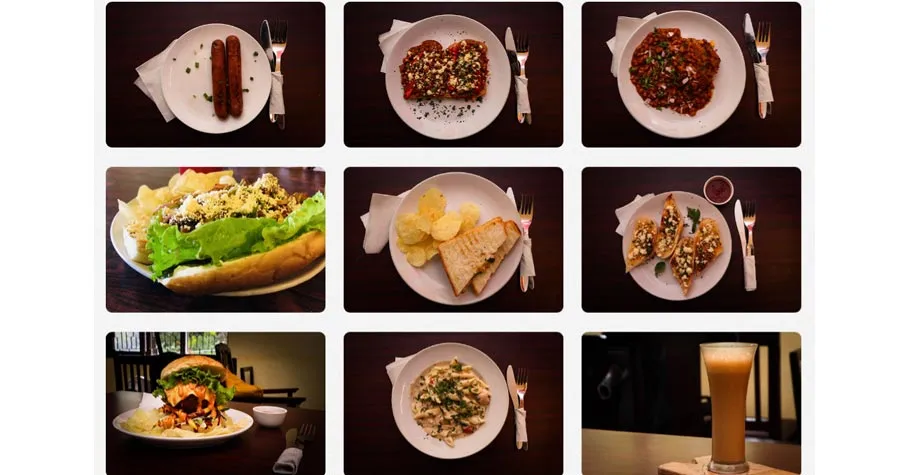
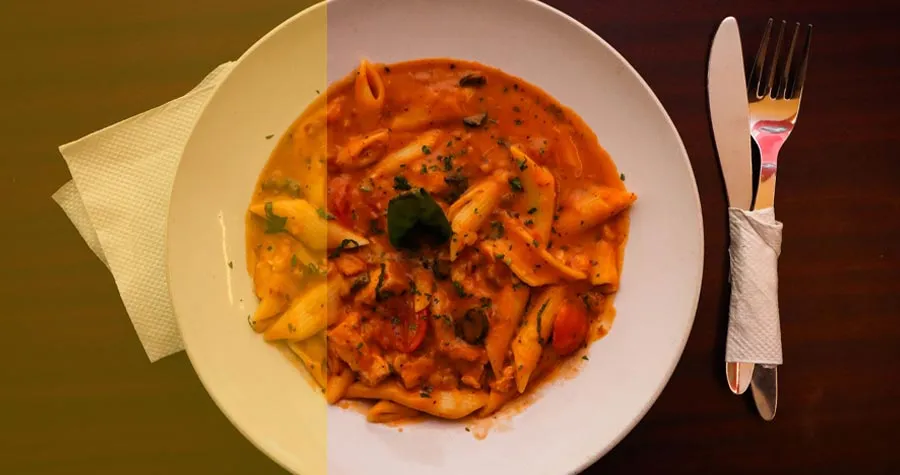
The Hole In The Wall Cafe operates in the café and casual dining segment, specializing in homemade continental cuisine. It targets customers seeking a comfortable dining experience with freshly prepared meals, including breakfasts, pastas, sandwiches, burgers, and desserts. The brand belongs to the quick service restaurant (QSR) franchise category.
2. Business Concept
The brand focuses on delivering high-quality, homemade-style continental food in a relaxed, community-oriented environment. Outlets combine a casual dining experience with efficient service, appealing to families, young professionals, and food enthusiasts. The operational concept emphasizes consistency, quality, and customer satisfaction across all franchise locations.
3. How the Business Operates
Customers visit the café to order meals at the counter or through table service depending on the outlet. Kitchen staff prepare dishes from scratch using standardized recipes and fresh ingredients. Revenue is generated primarily from in-store sales, with supplementary streams from takeout, catering, and branded products such as sauces and condiments. Day-to-day operations involve order preparation, inventory management, staff scheduling, and customer service.
4. Products or Services Offered
Key offerings are structured into categories:
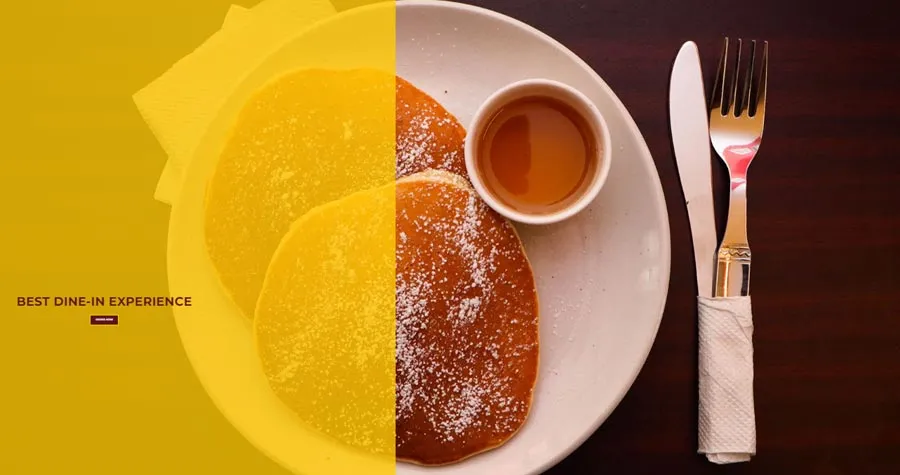
| Breakfasts & Brunch | Hearty continental options including waffles, pancakes, and omelets |
|---|---|
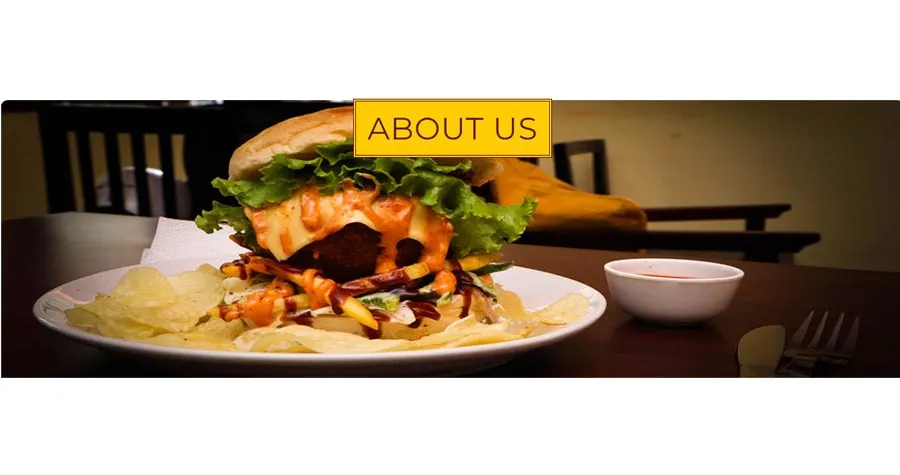
| Sandwiches & Burgers | Gourmet sandwiches and burgers with fresh ingredients |
| Pasta & Main Courses | A variety of freshly prepared pastas and comfort meals |
| Desserts & Snacks | Waffles, pancakes, and other sweet treats |
| Branded Products | Homemade sauces and ingredients available for retail through associated brands |
5. How the Franchise Model Works
Franchise partners operate local café outlets under brand standards. Responsibilities include managing staff, ensuring food quality and hygiene, and delivering a consistent customer experience. The franchisor provides operational guidance, standardized recipes, supply chain support, and marketing strategies. Outlets maintain brand consistency while adapting to local market needs.
6. Franchise Cost and Investment Overview
| Estimated Investment | INR 50 Lakh – 1 Cr |
|---|---|
| Franchise Fee | INR 60,000 per month |
| Setup Costs | Outlet construction, kitchen equipment, furniture, initial inventory, and marketing setup |
| Royalty/Recurring Fees | Not specified; usually includes ongoing brand support and promotional contributions |
7. Space and Infrastructure Requirements
| Space Requirement | 2000–3000 Sq.ft for seating, kitchen, and service areas |
|---|---|
| Location Type | High-traffic urban neighborhoods or commercial hubs |
| Equipment Needs | Commercial kitchen appliances, refrigeration, cooking tools, and service furniture |
| Staffing | Kitchen team, service staff, and managerial personnel, adjusted based on outlet size |
8. Training and Franchise Support
Franchisees receive:
- Operational training for kitchen and service staff
- Guidance for outlet setup, interior design, and layout optimization
- Marketing and promotional support to attract local customers
- Supply chain and inventory management assistance
- Ongoing operational monitoring and support
9. Revenue Model and ROI Factors
Revenue is driven by dine-in and takeaway orders, supplemented by branded product sales. Profitability is influenced by customer footfall, average ticket size, menu mix, and operational efficiency. Payback is projected within 2–3 years, assuming effective location selection, staffing, and marketing implementation.
10. Brand Background and Expansion
| Established Year | 2010 |
|---|---|
| Franchise Commenced | 2023 |
| Franchise Network Size | 1–10 outlets |
| Markets Served | Bangalore (Koramangala, Domlur, Kammanahalli) and Hyderabad |
| Expansion Plans | Growth into urban markets with additional franchise locations across India |
11. Key Advantages of the Franchise Opportunity
- Well-established brand with a loyal customer base
- Strong product differentiation with homemade continental cuisine
- Moderate space and investment requirements for urban outlets
- Structured operational and marketing support
- Repeat business potential from local regular clientele
12. Who Should Consider This Franchise
- First-time business owners entering the café or QSR segment
- Investors seeking small-to-medium scale food service ventures
- Experienced operators looking for a branded café model
- Entrepreneurs targeting urban neighborhoods with high customer traffic
14. Similar Franchise Opportunities
- Cafe Coffee Day – Pan-India café chain with dine-in and takeaway services
- Barista – Coffee and café outlets with urban presence
- The Brew Room – Boutique café model with continental menu options
- Chai Point – Urban beverage and snack café franchises
This profile provides a neutral, investor-focused overview of The Hole In The Wall Cafe franchise, helping potential partners assess operational requirements, investment considerations, and growth potential.
What is the investment required for The Hole In The Wall Cafe franchise?
Investment ranges between INR 50 Lakh and 1 Cr, covering outlet setup, kitchen equipment, staffing, and initial marketing. The franchise fee of INR 60,000 per month grants access to the brand, operational systems, and training.
How does the franchise business operate?
Franchisees manage daily operations, including staff management, kitchen execution, order fulfillment, and customer service. The franchisor provides training, supply support, and marketing guidance to ensure consistent service standards.
What space is required to start the franchise?
Outlets require 2000–3000 Sq.ft, suitable for seating, kitchen operations, and service areas in high-traffic urban locations.
How long does it take to recover the investment?
The expected payback period is 2–3 years, depending on operational efficiency, customer demand, and marketing effectiveness.
How can investors apply for the franchise?
Prospective franchisees can contact the brand’s franchise team to discuss location selection, financial planning, operational support, and onboarding procedures. ## 14. Similar Franchise Opportunities
