


The Chai Cartel Franchise
Franchise Quick Facts
| Brand Name | The Chai Cartel |
|---|---|
| Industry / Business Category | Tea and Coffee / Quick Service Restaurant |
| Founded Year | 2017 |
| Franchise Started Year | 2024 |
| Total Franchise Outlets | 1–10 |
| Estimated Investment | INR 10 Lakh – 20 Lakh |
| Franchise Fee | INR 3 Lakh |
| Royalty Fee | Not specified; typically represents a recurring percentage of sales in franchise models |
| Space Requirement | 700–800 sq.ft |
| Staff Requirement | Small to moderate team including baristas, kitchen staff, and service personnel |
| Expected Payback Period | 1–2 years |
1. What is The Chai Cartel?
The Chai Cartel is a café brand specializing in traditional and contemporary chai (tea) beverages paired with complementary snacks. Operating within the tea and coffee segment of the QSR industry, it serves a broad customer base, including students, professionals, and families seeking a hygienic, culturally authentic, and flavorful tea experience.
2. How the Business Works
Outlets operate on a fast-casual café model. Customers place orders at the counter or through digital delivery platforms. Teas and snacks are prepared using standardized recipes and quality-controlled ingredients to ensure consistency. Revenue is generated from in-store sales, takeaways, and online orders. Daily operations involve preparation of tea blends, serving drinks and food, and maintaining cleanliness and customer service standards.
3. Products or Services Offered
Franchise outlets focus on structured menu categories:
| Traditional Chai | Kadak chai, Masala chai, Elaichi chai |
|---|---|
| Innovative Blends | Saffron rose chai, Tulsi ginger chai, spice-infused teas |
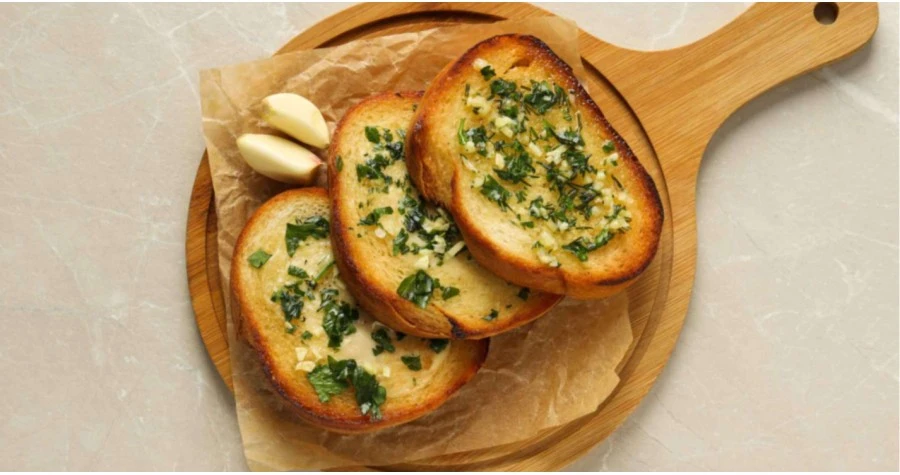
| Complementary Snacks | Pakoras, bun maska, kheema pav, samosas |
| Beverages & Light Bites | Other specialty teas, coffee options, and quick snacks |
| Customizations | Spice level, dietary preferences, and seasonal flavors |
4. How the Franchise Model Works
Franchise partners operate under a structured system that includes:
- Management of daily operations and staff
- Adherence to menu, recipes, and brand quality standards
- Access to franchisor-supplied ingredients, branding, and POS systems
- Ongoing guidance in marketing, inventory, and operational efficiency
- Support in setting up the outlet and staff training
- Outlets function within designated territories to reduce competition
5. Franchise Cost and Investment Overview
| Investment Range | INR 10 Lakh – 20 Lakh covering outlet setup, equipment, and initial inventory |
|---|---|
| Franchise Fee | INR 3 Lakh |
| Royalty Fee | Not specified; in similar franchises, often a small percentage of revenue |
| Setup Costs | Outlet fit-out, kitchen and brewing equipment, signage, initial stock, and POS system |
| Expected Payback | 1–2 years depending on location and sales performance |
6. Space and Infrastructure Requirements
| Space | 700–800 sq.ft |
|---|---|
| Location Type | High-footfall urban areas, commercial streets, or mall spaces |
| Equipment Needs | Tea brewing stations, storage units, preparation counters, and serving areas |
| Staffing Requirements | Baristas, cooks, and service staff trained in standardized operations |
7. Training and Franchise Support
The franchisor provides comprehensive support including:
- Operational and barista training programs
- Assistance with outlet setup and interior design
- Marketing and social media guidance
- Standardized supply chain and inventory management
- Ongoing operational support and troubleshooting
8. Revenue Model and ROI Factors
Revenue is primarily derived from beverage and snack sales. Key drivers include:
- Affordable pricing targeting a broad urban audience
- Repeat visits due to diverse menu and seasonal offerings
- Low operational complexity with standardized workflows
- Efficient inventory and staff management
- Expected payback period: 1–2 years
9. Brand Background and Expansion
- Founded in 2017
- Franchising began in 2024
- Current network includes 1–10 outlets
- Outlets serve urban markets with potential expansion in commercial high streets and malls
- Growth plans include scaling franchise network and maintaining consistent product and service quality
10. Key Advantages of the Franchise
- Growing demand for hygienic, high-quality tea experiences
- Scalable café model with low operational complexity
- High repeat customer potential due to menu variety and seasonal innovation
- Structured support systems including training, marketing, and supply chain
- Flexible outlet formats adaptable to different urban locations
11. Who Should Consider This Franchise
- First-time entrepreneurs seeking a manageable café business
- Experienced operators in the QSR or tea and coffee segment
- Small retail investors looking for urban-focused food service opportunities
- Entrepreneurs interested in culturally rooted beverage concepts
13. Similar Franchise Opportunities
- Chaayos – Tea café chain focusing on customizable chai and snacks
- Tea Trails – Quick-service tea and beverage outlets with light bites
- Chai Point – Urban tea café franchise with pan-India presence
- Mad Over Chai – Specialized chai café chain in high-traffic locations
- Chai Sutta Bar – Street-style tea café with QSR operations
This profile presents a structured, investor-focused analysis of The Chai Cartel franchise, highlighting operational structure, investment requirements, and support systems for informed decision-making.


What is the investment required for The Chai Cartel franchise?
The total investment ranges from INR 10 Lakh to 20 Lakh, which includes outlet setup, equipment, and initial inventory. A franchise fee of INR 3 Lakh is payable upfront.
How does The Chai Cartel franchise operate?
Franchisees manage outlet operations including staff, inventory, and customer service. Standardized recipes, operational guidelines, and franchisor support ensure consistency across locations.
What space is required to start the franchise?
Outlets require 700–800 sq.ft, suitable for high-footfall commercial streets or malls.
How long does it take to recover the investment?
Payback is generally expected within 1–2 years depending on location performance and operational efficiency.
How can investors apply for the franchise?
Prospective franchisees can apply via official franchise enquiry channels, where they receive guidance on selection, onboarding, and outlet setup. ## 13. Similar Franchise Opportunities
