



The Bombay Sultaani Biryani House Franchise
Franchise Quick Facts
| Brand Name | Bombay Sultaani Biryani House |
|---|---|
| Industry / Business Category | Food & Beverage / Quick Service Restaurants |
| Founded Year | 2016 |
| Franchise Started Year | 2019 |
| Total Franchise Outlets | 1–10 |
| Estimated Investment | INR 10–20 Lakhs |
| Franchise Fee | INR 4,00,000 |
| Royalty Fee | Information not specified; typically involves a percentage of revenue paid to the franchisor |
| Space Requirement | 200–600 sq. ft. |
| Staff Requirement | Varies by outlet size; includes kitchen and service personnel |
| Expected Payback Period | 1–6 Years |
1. What is Bombay Sultaani Biryani House?
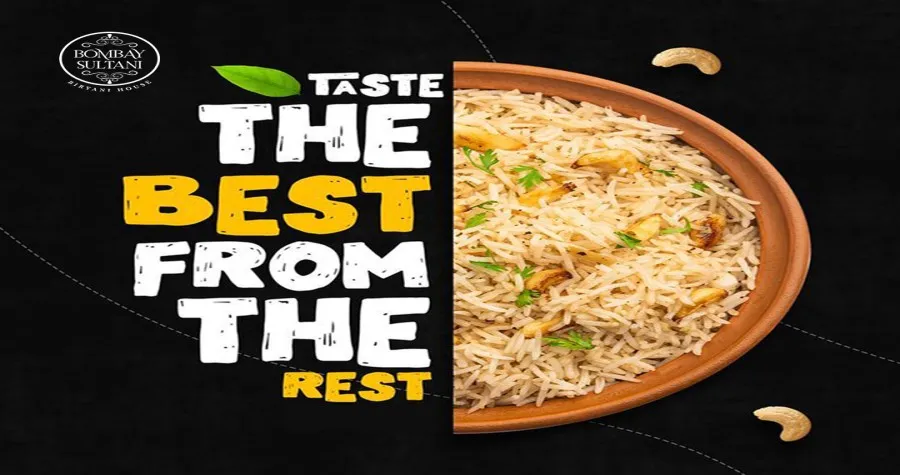
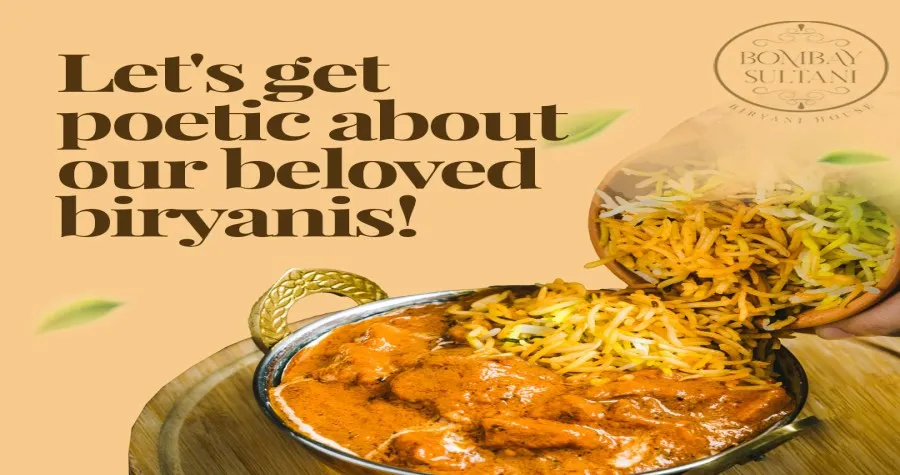
Bombay Sultaani Biryani House operates in the quick service restaurant (QSR) segment, focusing on biryani as its primary offering. The brand serves both vegetarian and non-vegetarian biryani varieties, complemented by combo meals and side dishes. Its customer base includes urban consumers seeking quick, flavorful meals with consistent quality. The concept emphasizes a specialized fast-food experience centered on a signature cuisine.
2. How the Business Works
Customers place orders at the outlet for dine-in, take-away, or delivery. Biryani dishes are prepared on-site using standardized recipes and fresh ingredients. Operational workflows include rice and protein preparation, assembling dishes, order fulfillment, and customer service. Revenue is generated through direct sales of individual meals, combo offers, and beverages, with consistent quality and portioning maintaining customer satisfaction.
3. Products or Services Offered
Franchise outlets provide:
| Signature Biryani | Various regional and specialty biryani dishes |
|---|---|
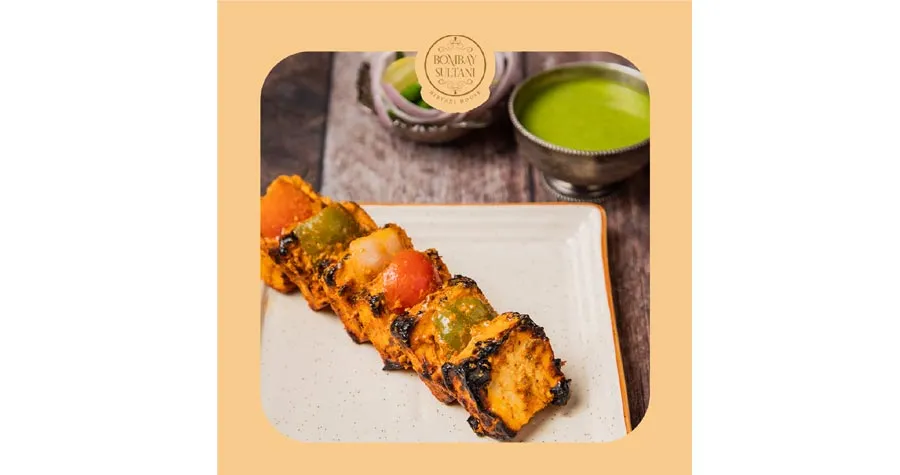
| Combo Meals | Meal packages combining biryani with sides and beverages |
| Sides and Accompaniments | Salads, raita, and other complementary items |
| Beverages | Non-alcoholic drinks suitable for pairing with meals |
Menu items are designed for high turnover, ease of preparation, and customer customization.
4. How the Franchise Model Works
Franchise partners operate outlets under the brand name and guidelines:
- Manage daily operations, including kitchen, staff, and customer service
- Implement standardized food preparation and quality controls
- Conduct local marketing and promotional activities
- Maintain operational and service standards as prescribed by the franchisor
Franchisor support ensures brand consistency, operational guidance, and supply chain access.
5. Franchise Cost and Investment Overview
Startup requirements include:
| Total Investment | INR 10–20 Lakhs covering outlet setup and launch |
|---|---|
| Franchise Fee | INR 4,00,000 for brand usage and initial support |
| Setup Costs | Kitchen equipment, furnishings, interior setup, licensing |
| Recurring Fees | Royalty fees are typically a percentage of revenue, though exact terms are determined per agreement |
Investments reflect a small to medium-sized QSR setup focused on efficiency and profitability.
6. Space and Infrastructure Requirements
Outlets require:
| Area | 200–600 sq. ft. depending on location and seating capacity |
|---|---|
| Location Type | Urban streets, commercial hubs, or high-footfall areas |
| Infrastructure | Kitchen equipment, storage, service counters, optional seating |
| Staffing Needs | Kitchen team, service staff, and supervisory personnel |
The design supports rapid service and consistent quality.
7. Training and Franchise Support
Franchisees receive:
| Operational Training | Food preparation, kitchen operations, and customer service |
|---|---|
| Store Setup Assistance | Guidance on layout, equipment, and setup |
| Marketing Support | Local promotions and brand-building strategies |
| Supply Chain Access | Streamlined sourcing of quality ingredients |
| Ongoing Guidance | Support for operational challenges and process improvements |
These systems enable efficient outlet management and standardization.
8. Revenue Model and ROI Factors
Revenue is generated through sales of biryani dishes, combo meals, sides, and beverages.
Factors influencing ROI include
- Pricing strategy based on menu structure and combos
- Consistent demand for quality biryani in urban locations
- Repeat customer potential through taste consistency and value offers
- Operational costs including ingredients, staffing, and utilities
Expected payback ranges from 1–6 years depending on outlet performance and market conditions.
9. Brand History and Expansion
Bombay Sultaani Biryani House was founded in 2016 and began franchising in 2019. Currently, it has 1–10 franchise outlets. Expansion focuses on urban locations with high demand for specialized biryani, using standardized outlet formats and operational processes to maintain product quality and customer experience.
10. Key Advantages of the Franchise
- Specialized, high-demand product (biryani) with urban appeal
- Scalable quick service restaurant model
- Potential for repeat customers through consistent taste and combo offerings
- Structured franchise support for operations, marketing, and procurement
- Moderate investment with flexible outlet sizes
12. Similar Franchise Opportunities
Investors evaluating this concept may also consider:
- Behrouz Biryani
- Biryani Blues
- Lazeez
- Sigree Global Grill
- Biryani By Kilo

What is the investment required for Bombay Sultaani Biryani House franchise?
The estimated investment is INR 10–20 Lakhs, covering outlet setup, kitchen equipment, interiors, initial inventory, and franchise fee. Costs may vary depending on location, space, and scale of operations.
How does the Bombay Sultaani Biryani House franchise business work?
Franchisees operate outlets under the brand, managing kitchen operations, staff, and customer service. Food is prepared according to standardized recipes, with revenue generated through direct sales of biryani, combos, and side items.
What space is required for this franchise?
Outlets need 200–600 sq. ft., depending on the location, customer seating requirements, and kitchen space needed for preparation and service.
How long does it take to recover the investment?
The expected payback period ranges from 1–6 years, depending on sales performance, location, and operational efficiency.
How can investors apply for the franchise?
Investors can contact the brand’s franchise team to submit applications, complete evaluation, and receive training and support for outlet setup and operations. ## 12. Similar Franchise Opportunities
