



Surjo Foundation Franchise
Franchise Quick Facts
| Brand Name | Surjo Foundation |
|---|---|
| Industry | Education & Skill Development |
| Business Category | Skill Development |
| Founded Year | 2019 |
| Franchise Started Year | 2020 |
| Total Franchise Outlets | 1–10 |
| Estimated Investment | INR 10,000–50,000 |
| Franchise Fee | Typically covers brand usage and initial onboarding |
| Royalty Fee | 3% of revenue, supports ongoing franchise support and marketing |
| Space Requirement | 1,000–1,500 sq. ft. |
| Staff Requirement | Trainers, administrative personnel, and placement coordinators |
| Expected Payback Period | 1–2 years |
1. What is Surjo Foundation?
Surjo Foundation is a skill development and vocational training organization offering practical courses for youth and adults. The brand operates in the education and training sector, providing personalized training in areas such as tailoring, computer hardware repair, desktop publishing, and beautician services. Its services target students and job-seekers aiming to acquire marketable skills.
2. How the Business Works
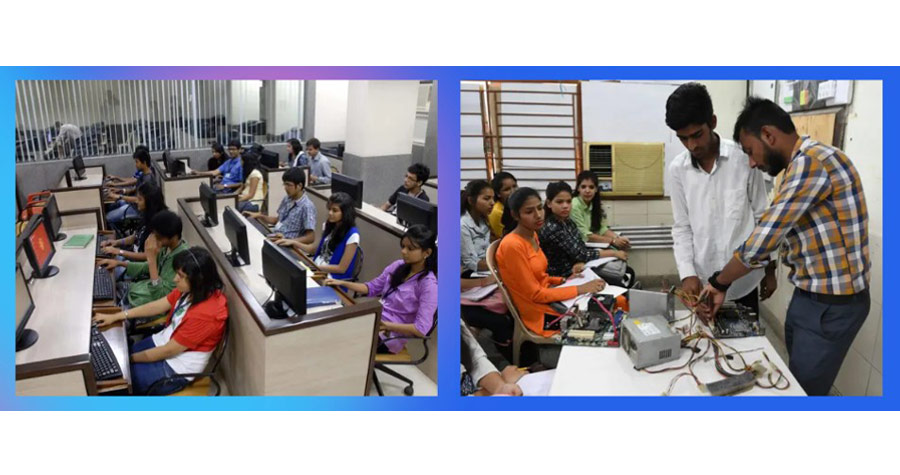
Franchise outlets function as local training centers. Customers enroll in vocational programs, receive instruction from trained faculty, and participate in hands-on learning sessions. Revenue is generated through course fees. Additional support includes career counseling, mentorship, and placement assistance, which enhance student outcomes and build recurring client trust.
3. Products or Service Categories
Franchise centers offer structured skill-based training in:
| Tailoring | Garment making, advanced sewing, and fashion design |
|---|---|
| Computer Hardware Repairing | Practical repair and maintenance of computer systems |
| Desktop Publishing (DTP) | Graphic design for print media, brochures, and promotional materials |
| Beautician Courses | Makeup, hair styling, skincare, and salon services |
Courses are designed to meet local employment demands and foster practical experience.
4. How the Franchise Model Works
Franchise partners operate independently under the Surjo Foundation brand. Responsibilities include:
- Managing daily operations and training schedules
- Recruiting and supervising instructors
- Maintaining course quality and student engagement
- Providing placement assistance and career guidance
The franchisor supports operational standards, course material, marketing, and ongoing mentorship.
5. Franchise Cost and Investment Overview
| Estimated Investment | INR 10,000–50,000, covering training setup, learning materials, and initial operations |
|---|---|
| Franchise Fee | Covers brand licensing and franchisee onboarding |
| Setup Costs | Classroom infrastructure, equipment for hands-on learning, and administrative systems |
| Royalty Payments | 3% of revenue, supporting brand development and operational guidance |
Investment is structured to enable low-risk entry with scalable operational potential.
6. Space and Infrastructure Requirements
| Area | 1,000–1,500 sq. ft. |
|---|---|
| Preferred Locations | Urban and semi-urban areas accessible to students |
| Infrastructure Needs | Classrooms, practical labs/workshops, administrative office |
| Staffing Requirements | Trainers, administrative staff, and placement coordinators |
Facilities are designed to provide interactive learning and smooth operational management.
7. Training and Franchise Support
Support from Surjo Foundation includes:
| Operational Training | Guidance on managing training schedules, faculty, and student services |
|---|---|
| Store Setup Assistance | Advice on infrastructure layout and learning lab setup |
| Marketing Support | Promotional strategies and local marketing materials |
| Curriculum and Content | Access to standardized course materials |
| Ongoing Support | Mentorship and assistance with placement coordination |
This ensures franchisees maintain consistent educational quality and operational efficiency.
8. Revenue Model and ROI Factors
Revenue is primarily generated through student course fees. Key factors include:
| Pricing Model | Standardized fees for vocational courses |
|---|---|
| Customer Demand | Local workforce seeking skill-based education |
| Repeat Potential | Alumni enrolling for advanced courses or specialized programs |
| Operational Costs | Staff salaries, utilities, and learning materials |
Expected payback is 1–2 years based on enrollment volume and course delivery efficiency.
9. Brand History and Expansion
Surjo Foundation was established in 2019 and started franchising in 2020. It aims to expand its presence by offering skill training in urban and semi-urban regions. The brand emphasizes career-oriented vocational programs and student placement services to enhance employability.
10. Key Advantages of the Franchise
- High demand for practical skill development and employability training
- Scalable model with potential for multiple courses per outlet
- Repeat engagement from students enrolling in advanced programs
- Structured operational and marketing support from franchisor
- Opportunities to positively impact local communities through skill-building initiatives
11. Who Should Consider This Franchise
Suitable candidates include:
- First-time entrepreneurs seeking low-risk investment in education
- Investors targeting vocational training and skill development sectors
- Operators with interest in student engagement, mentoring, and community impact
- Professionals aiming to establish education centers in urban and semi-urban areas
13. Similar Franchise Opportunities
Investors may also consider:
- Aptech Skill Development Centers
- Jetking IT Skill Training
- Arena Animation Training Institutes
- NIIT Vocational Programs
- CADD Centre Skill Development
These brands operate in vocational education and skill development, offering comparable franchise structures and investment ranges.



What investment is required for Surjo Foundation franchise?
The total investment ranges from INR 10,000 to 50,000, covering infrastructure, training materials, and operational setup. The franchise fee and initial costs are structured to allow entry-level investment with scalable growth potential.
How does the Surjo Foundation franchise operate?
Franchisees run training centers offering vocational courses, manage instructors, maintain educational quality, and support student placements. Revenue is generated primarily through course fees, with opportunities for repeat enrollments in advanced programs.
What space is required for this franchise?
Centers require 1,000–1,500 sq. ft., sufficient for classrooms, practical workshops, and administrative areas to facilitate interactive learning.
How long does it take to recover the investment?
Franchisees can expect a payback period of 1–2 years, depending on local student enrollment and course adoption.
How can investors apply for the franchise?
Investors contact the franchisor to evaluate potential locations, complete the franchise agreement, and receive operational training before launching the center. ## 13. Similar Franchise Opportunities
