



Superk Franchise
Franchise Quick Facts
| Brand Name | SuperK |
|---|---|
| Industry / Business Category | Supermarket / Retail |
| Founded Year | 2017 |
| Franchise Started Year | 2017 |
| Total Franchise Outlets | 100–200 |
| Estimated Investment | INR 10 Lakh – 20 Lakh |
| Franchise Fee | Not specified (typically covers training and initial setup support) |
| Royalty Fee | Not disclosed (franchises often include royalty fees for ongoing support and brand use) |
| Space Requirement | 700 – 800 Sq.ft |
| Staff Requirement | Depends on store size and operation scale |
| Expected Payback Period | Less than 3 months |
1. What is SuperK?
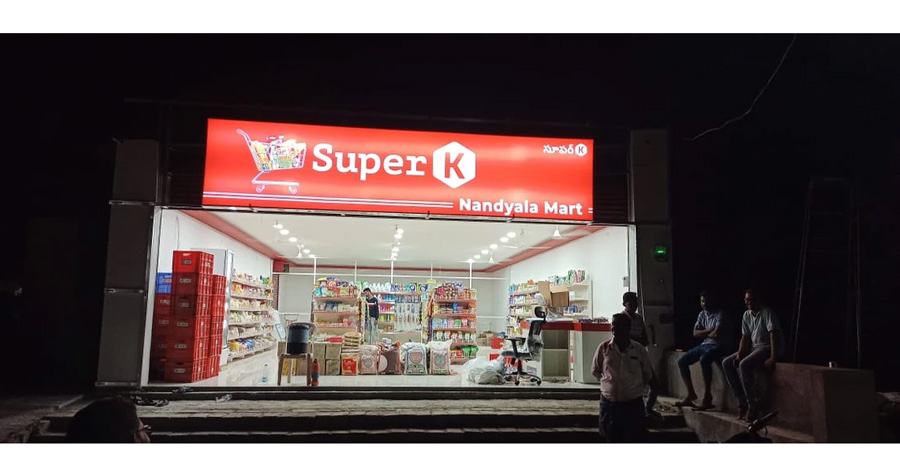
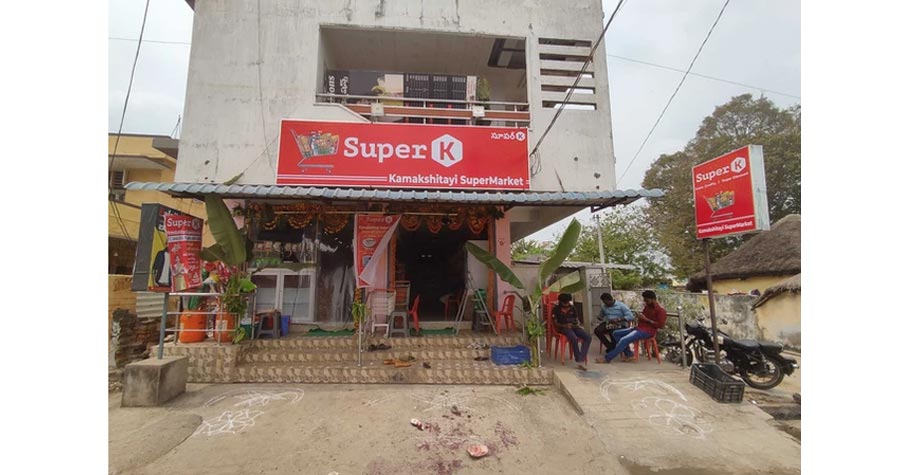
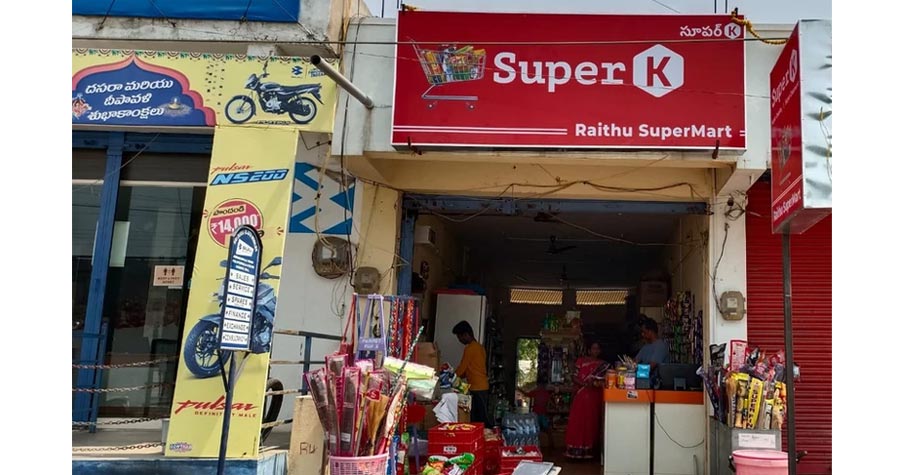
SuperK operates in the supermarket and retail sector, offering a range of daily essentials, groceries, fresh produce, personal care items, and packaged foods. The brand serves consumers in smaller towns and underserved markets, creating a modern, organized, and tech-enabled retail experience. This franchise falls under the broader organized retail category, providing a structured shopping environment with data-driven inventory and customer management.
Business Concept
SuperK combines technology, supply chain efficiency, and customer loyalty programs to provide a seamless retail experience. Franchise stores act as community-focused retail hubs offering convenience, variety, and an organized shopping experience.
2. How the Business Works
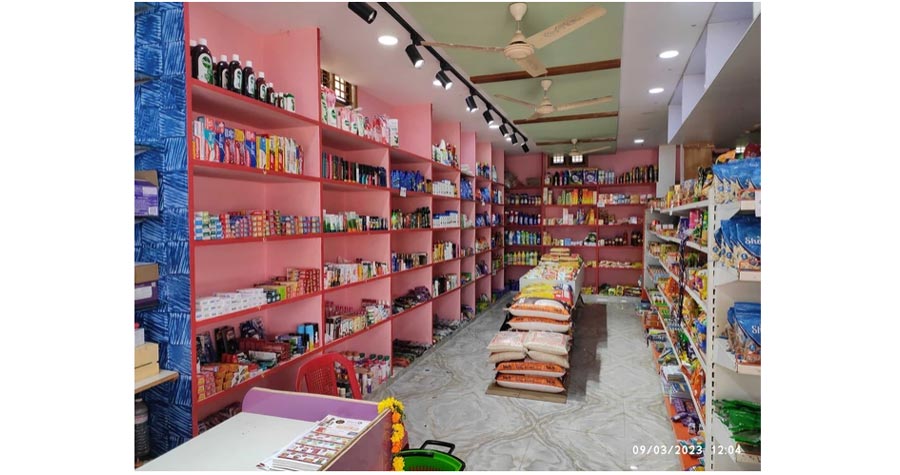
Stores operate as franchise-owned supermarkets with structured layouts and well-labeled aisles. Customers browse products in-store, select items, and complete purchases at point-of-sale terminals. Inventory levels are monitored through automated systems that trigger replenishment orders, while marketing and rewards programs help drive repeat business. Revenue is generated through product sales, with margins influenced by efficient sourcing and pricing strategies.
3. Products or Services Offered
| Fresh Produce | Fruits, vegetables, and dairy |
|---|---|
| Grocery and Packaged Foods | Staples, snacks, beverages |
| Personal Care | Toiletries, health products |
| Home Essentials | Cleaning supplies, household items |
| Customer Loyalty Program | Rewards points redeemable for discounts or prizes |
4. Franchise Partnership Structure
| Franchise Partner Role | Own and operate the retail outlet, manage daily store operations, and maintain customer service standards |
|---|---|
| Operational Responsibilities | Inventory management, staff supervision, sales tracking, customer engagement |
| Outlet Operations | Full-service retail store with structured layout, POS systems, and automated inventory replenishment |
| Franchisor-Franchisee Relationship | Ongoing support with training, marketing, and operational guidance |
5. Franchise Cost and Investment Overview
| Estimated Investment | INR 10 Lakh – 20 Lakh, including store setup, initial stock, and technology systems |
|---|---|
| Franchise Fee | Not specified; typically covers onboarding, training, and initial branding |
| Setup Costs | Store infrastructure, shelving, POS systems, initial inventory |
| Royalty Fees | Not disclosed; often include a percentage of sales for brand and operational support |
6. Space and Infrastructure Requirements
| Space Requirement | 700–800 Sq.ft for a fully functional supermarket |
|---|---|
| Location Preferences | High foot-traffic areas in tier 3 towns and underserved markets |
| Equipment Needs | Shelving, POS systems, refrigeration units, inventory management software |
| Staffing Considerations | Cashiers, stock handlers, and customer service staff based on store size |
7. Training and Franchise Support
| Operational Training | Guidance on store layout, inventory management, and sales processes |
|---|---|
| Launch Assistance | Support for store setup, initial stock procurement, and technology integration |
| Marketing Support | Campaigns, promotions, and in-store events |
| Ongoing Support | Continuous operational guidance and data-driven inventory management assistance |
8. Revenue Model and ROI Factors
Revenue is primarily from retail product sales. The franchise benefits from automated inventory systems that minimize stockouts and overstocking, ensuring consistent product availability. The customer rewards program encourages repeat visits and loyalty. Profitability depends on location footfall, product mix, and operational efficiency. Payback is reported to be rapid, often within three months of operations.
9. Brand Background and Expansion
| Founded Year | 2017 |
|---|---|
| Franchise Commenced | 2017 |
| Franchise Network Size | 100–200 outlets |
| Geographic Presence | Primarily southern India in towns like Kadapa and Anantapur |
| Expansion Goals | Extend presence to additional tier 3 towns and develop an online retail platform for smaller markets |
10. What Makes This Franchise Different
SuperK’s franchise model leverages technology for automated stock replenishment, data-driven supply chains, and customer loyalty programs. The brand focuses on smaller towns underserved by modern retail, offering franchisees access to established distributors and operational support for rapid business setup.
Advantages of the Franchise
- Growing market in tier 3 towns and semi-urban areas
- Tech-enabled inventory and sales management
- Access to national and local suppliers
- Fast ROI due to efficient operations
- Marketing and customer loyalty support
11. Who Should Consider This Franchise
- Entrepreneurs interested in retail operations
- Small business investors in tier 3 and rural markets
- Individuals seeking scalable, tech-supported franchise models
- Operators looking for established supply chain support and brand infrastructure
13. Similar Franchise Opportunities
- Reliance Fresh – Organized supermarket chain in semi-urban and urban areas
- Big Bazaar – Retail and grocery outlets with tier 2–3 market presence
- More Supermarket – Grocery and household retail network in smaller cities
- D-Mart – Retail supermarket focusing on value and convenience in tier 2 and 3 towns
- Spencer’s Retail – Grocery, personal care, and household retail outlets with loyalty programs
These franchises operate in organized retail, offering comparable opportunities in grocery and essentials markets.
What investment is required for SuperK franchise?
Investment ranges from INR 10 Lakh – 20 Lakh, covering store setup, initial inventory, and technology integration for retail operations.
How does the SuperK franchise operate?
Franchisees manage a retail outlet, using automated inventory systems, point-of-sale terminals, and structured layouts to serve customers efficiently while leveraging supply chain and marketing support from the franchisor.
What space is required to start the franchise?
Stores require 700–800 Sq.ft, suitable for organized shelving, product displays, and checkout systems.
How long does it take to recover the investment?
With efficient operations and strong local demand, payback is typically achieved in less than three months.
How can investors apply for the franchise?
Prospective franchisees can contact SuperK for application, training, and guidance on launching a retail outlet in their selected town or region. ## 13. Similar Franchise Opportunities
