



Strings Music And Arts Academy Franchise
1. Brand & Franchise Snapshot
| Brand Name | Strings Music And Arts Academy |
|---|---|
| Industry | Vocational Training |
| Business Category | Music & Arts Education |
| Founded Year | 2023 |
| Franchise Started | 2024 |
| Total Franchise Outlets | 1–10 |
| Estimated Investment | INR 20–30 Lakh |
| Franchise Fee | INR 30,00,000 |
| Royalty Fee | Typically covers ongoing curriculum and brand support |
| Space Requirement | 1,000–2,000 sq. ft. |
| Staff Requirement | Instructors for multiple instruments, administrative support |
| Expected Payback Period | 1–2 Years |
2. What is Strings Music And Arts Academy?
Strings Music And Arts Academy provides structured music education across various instruments and vocal training. Operating in the vocational training sector, it targets children, teenagers, and adult learners seeking skill development in music. The academy belongs to the broader category of arts education franchises, combining classroom-based and online music learning.
3. How the Business Works
Franchise outlets function as dedicated learning centers for music training. Students enroll in group or individual classes, access structured lesson plans, and receive personalized guidance. Revenue is generated through tuition fees for regular courses, exam preparation programs, and performance workshop participation. Daily operations include teaching, student progress monitoring, scheduling, and administrative management.
4. Products or Services Offered
Franchise outlets deliver:
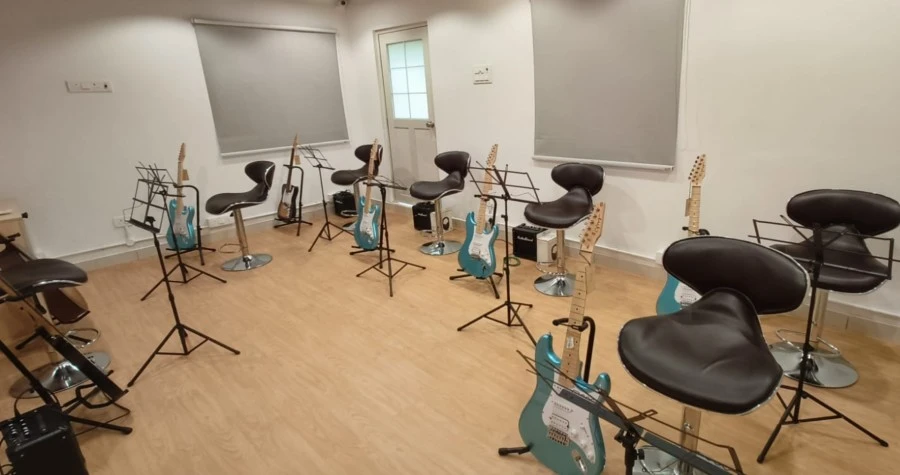
| Guitar Classes | Acoustic, electric, classical; beginner to advanced skill levels |
|---|---|
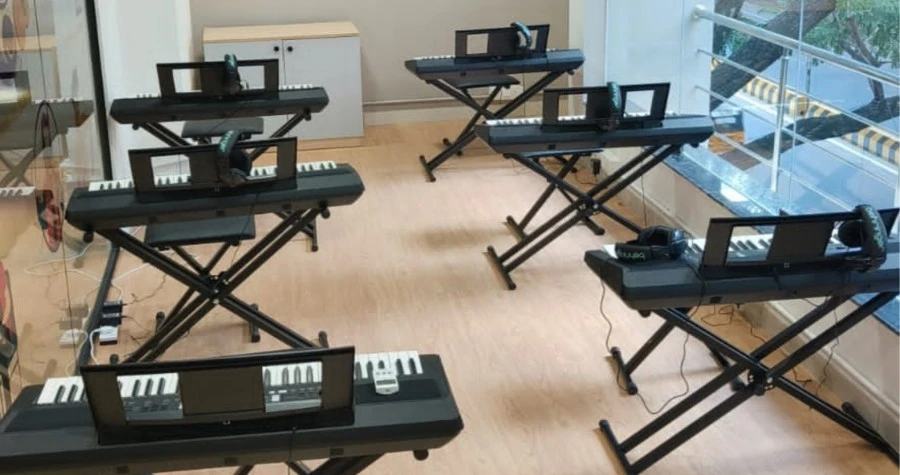
| Piano & Keyboard Training | Technique, sight-reading, music theory, and performance preparation |
| Singing & Vocal Lessons | Voice modulation, pitch control, and stage presence across genres |
| Online Music Lessons | Structured digital classes with video tutorials and virtual feedback |
| Performance Programs | Recitals, competitions, and showcases for experiential learning |
5. Franchise Structure and Operating Model
Franchise partners manage local academy operations, including student enrollment, class scheduling, and delivery of lessons. Responsibilities include maintaining teaching standards, supervising instructors, and managing customer engagement. Franchisor provides curriculum support, training for instructors, performance event frameworks, and marketing guidance. Outlets operate under standardized processes to ensure consistent educational quality.
6. Franchise Cost and Investment
| Estimated Investment | INR 20–30 Lakh for facility setup, instruments, and initial operations |
|---|---|
| Franchise Fee | INR 30,00,000 grants brand rights and access to curriculum and teaching resources |
| Setup Costs | Classroom infrastructure, instruments, digital learning tools |
| Royalty/Recurring Payments | Covers ongoing curriculum updates, system support, and brand guidance |
7. Space and Setup Requirements
Key requirements include
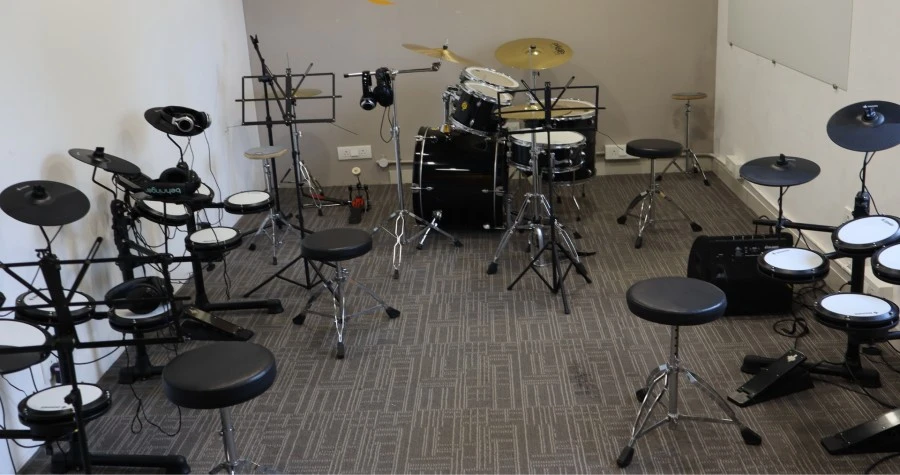
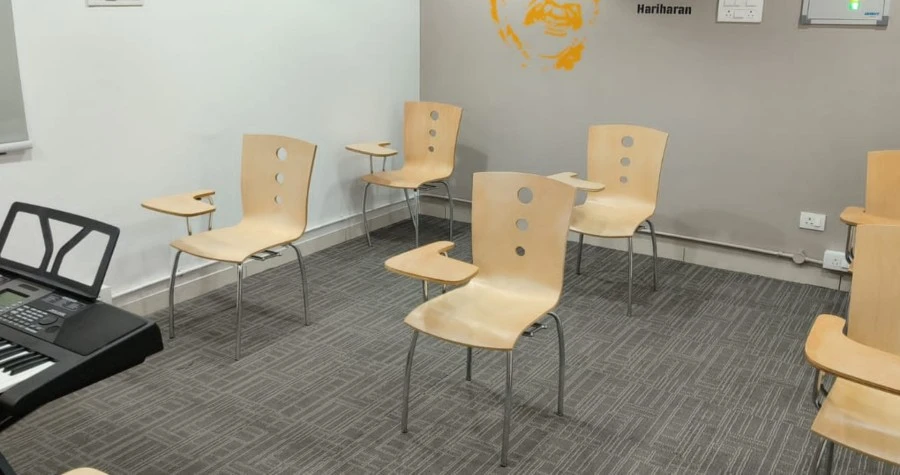
| Area | 1,000–2,000 sq. ft. for classrooms, practice rooms, and reception |
|---|---|
| Location Preference | Accessible urban locations with demand for music education |
| Equipment Needs | Musical instruments, sound systems, digital learning tools |
| Staffing | Instructors across instruments, administrative support, student coordinators |
8. Training and Franchise Support
Franchisor provides:
| Instructor Training | Structured curriculum delivery and student assessment techniques |
|---|---|
| Operational Guidance | Day-to-day management, class scheduling, and administrative systems |
| Marketing Support | Local promotion, online campaigns, and branding guidance |
| Performance Event Framework | Templates for recitals, competitions, and student showcases |
9. Revenue Model and ROI Factors
Revenue is primarily generated through tuition fees, online courses, and performance programs. Customer demand is driven by interest in skill development, exam preparation, and music enrichment activities. Repeat revenue comes from multi-level course enrollment and performance programs. Operational costs include staff salaries, instrument maintenance, and marketing. Expected payback is 1–2 years depending on enrollment growth.
10. Brand Background and Expansion
Established in 2023, the academy launched its franchise model in 2024. Expansion strategy focuses on urban and semi-urban centers, targeting learners of all ages. The franchise model emphasizes standardized curriculum, quality instruction, and performance opportunities, ensuring consistency and scalability across multiple outlets.
11. What Makes This Franchise Different
The franchise combines structured classroom instruction with performance-based experiential learning, supported by online resources. Unlike general music schools, it integrates personalized learning paths, exam preparation, and international certification support, creating a comprehensive music education ecosystem.
Advantages of the Franchise
- Growing demand for structured music education
- Scalable franchise model across multiple locations
- Repeat revenue from course progression and events
- Standardized curriculum and instructor support
- Opportunities for performance and community engagement
12. Who Should Consider This Franchise
Suitable for:
- Entrepreneurs interested in arts education
- Investors in vocational training sectors
- Individuals with music or educational management experience
- Operators seeking scalable service-based businesses with recurring revenue
14. Similar Franchise Opportunities
Investors may also consider:
- Musee Musical Academies
- Trillium Music Schools
- Yamaha Music Schools
- Shiamak Davar’s Dance & Music Academies
- Kreative Strings Music Schools
These brands operate in music and arts education, offering comparable investment models and structured franchise support.
This profile provides a comprehensive overview for evaluating Strings Music And Arts Academy as a franchise opportunity.
What is the investment required for Strings Music And Arts Academy franchise?
Investment ranges from INR 20–30 Lakh, covering facility setup, instruments, teaching resources, and initial marketing efforts. The franchise fee provides access to curriculum and brand support.
How does the franchise operate?
Franchisees manage academy operations including student enrollment, teaching, instructor oversight, and event organization. Revenue is derived from tuition, online programs, and performance events.
What space is required to start the franchise?
1,000–2,000 sq. ft. is needed to accommodate classrooms, practice rooms, and administrative areas, ensuring optimal learning environment.
How long does it take to recover the investment?
Payback period is generally 1–2 years depending on enrollment levels, course diversification, and community engagement.
How can investors apply for the franchise?
Prospective franchisees submit an application, review investment and operational requirements, and complete onboarding including instructor training and curriculum familiarization. ## 14. Similar Franchise Opportunities
