


Sp Robotics Maker Lab Franchise
Brand & Franchise Snapshot
| Brand Name | SP Robotics Maker Lab |
|---|---|
| Industry / Business Category | Educational Services / Extra Curriculum |
| Founded Year | 2012 |
| Franchise Started | 2018 |
| Total Franchise Outlets | 50–100 |
| Estimated Investment | INR 10–20 Lakh |
| Franchise Fee | INR 3,00,000 |
| Royalty Fee | Not specified (typically covers ongoing support, curriculum updates, and branding) |
| Space Requirement | 1,000–1,200 sq. ft. |
| Staff Requirement | Dependent on center size; includes trainers and administrative support |
| Expected Payback Period | 1–2 years |
Understanding the Brand
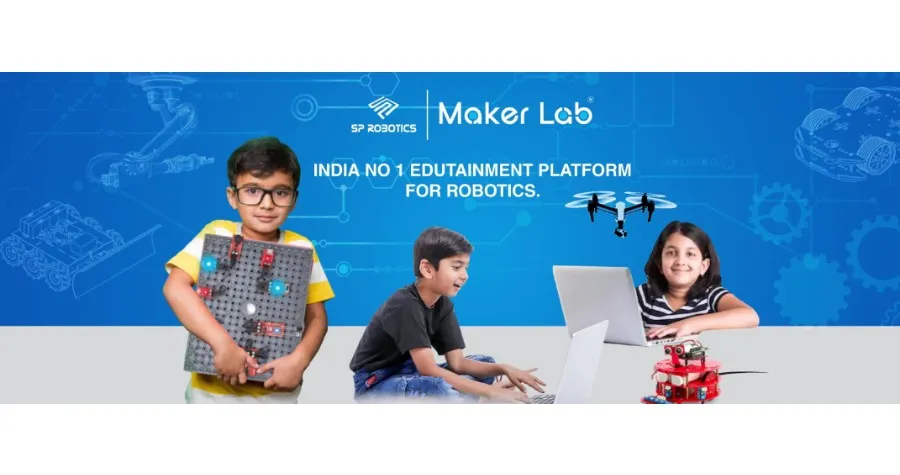
SP Robotics Maker Lab operates as a network of learning centers focused on robotics and coding education for students aged 7–17+. It belongs to the broader extra-curricular and educational franchise category, offering hands-on learning experiences that foster technological skills, creativity, and critical thinking. The target audience includes young learners and their parents seeking structured STEM education outside standard schooling.
Operating Concept
- Students enroll in structured programs on robotics, coding, and technology-based projects.
- Daily operations include guided lessons, hands-on experiments, and project work facilitated by trained instructors.
- Revenue is generated through course fees and enrollment packages, with demand driven by parents seeking STEM education.
- Centers maintain consistent curriculum delivery, scheduling, and reporting according to brand guidelines.
Products or Service Categories
- Robotics Learning Modules
- Coding and Programming Courses
- Project-Based STEM Activities
- Workshops and Seasonal STEM Camps
- Personalized Learning Tracks for different age groups
Franchise Partnership Structure
- Franchise partners manage local learning centers and oversee daily operations.
- Operational responsibilities include student enrollment, staff management, and adherence to curriculum standards.
- The franchisor provides curriculum content, training, marketing materials, and operational support.
- Centers operate under brand protocols to ensure consistent educational quality and service experience.
Investment and Startup Costs
| Estimated Investment | INR 10–20 Lakh |
|---|---|
| Franchise Fee | INR 3,00,000 covering brand access, curriculum, and initial guidance |
| Setup Costs | Infrastructure, furniture, learning equipment, and initial marketing |
| Royalty | Not specified; usually represents ongoing operational support, software updates, and brand usage |
Outlet Setup Requirements
| Space Requirement | 1,000–1,200 sq. ft., suitable for classrooms and activity areas |
|---|---|
| Location Preferences | High-traffic educational hubs, near schools or community centers |
| Equipment Needs | Robotics kits, computers, projectors, and STEM teaching tools |
| Staffing Considerations | Trainers for robotics and coding, administrative personnel, and student coordinators |
Franchise Support Systems
- Comprehensive initial and ongoing training for franchisees and staff
- Assistance with location selection, interior setup, and equipment procurement
- Marketing guidance, promotional strategies, and local community engagement
- Operational guidelines and performance monitoring to maintain quality standards
Revenue Model and Profit Drivers
- Revenue primarily from student course fees, enrollment packages, and workshop programs
- Demand is influenced by growing interest in STEM education and robotics courses
- Repeat customers include multi-term enrollments and sibling registrations
- Operational costs include staff salaries, utilities, equipment maintenance, and marketing
- Payback period typically ranges from 1 to 2 years depending on enrollment volume
Brand Background and Expansion
- Founded in 2012, SP Robotics Maker Lab started franchising in 2018
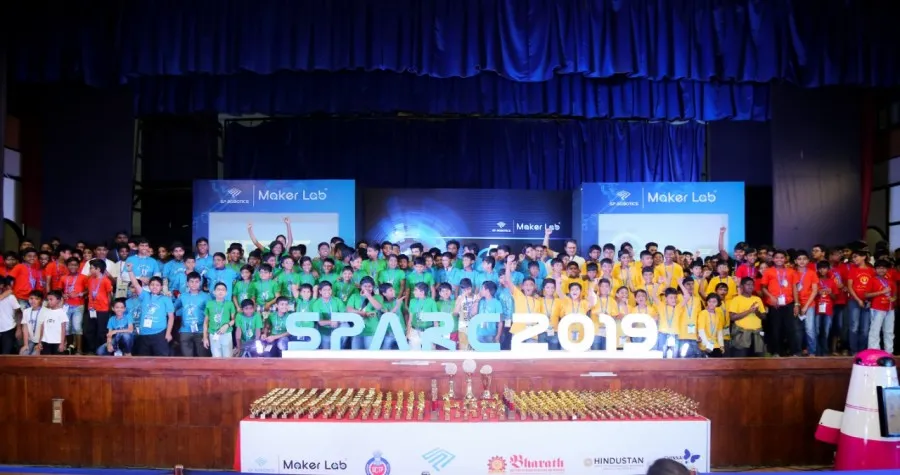
- The network has grown to 50–100 outlets across India
- Expansion strategy focuses on regions with high demand for STEM education and family-centric communities
- Franchise growth emphasizes quality control, standardized curriculum, and community engagement
Analytical Insight
SP Robotics Maker Lab differentiates itself by integrating hands-on STEM learning with a structured, replicable franchise model. Unlike typical educational businesses, it combines curriculum standardization with practical robotics projects, enabling franchisees to operate efficiently while delivering engaging, future-oriented education.
Advantages of the Franchise
- Strong market demand for STEM education
- Scalable and replicable center model
- High repeat enrollment potential
- Comprehensive operational and curriculum support
- Opportunities for growth through workshops, camps, and additional courses
Who Should Consider This Franchise
- Entrepreneurs entering the educational services sector
- Experienced operators in learning centers or tutoring services
- Investors seeking small to mid-sized franchise businesses with social impact
- Individuals passionate about technology education and community development
Similar Franchise Opportunities
- BrainOBrain – STEM and skill development centers for children
- Kidzania STEM Labs – Experiential learning franchises for technology and innovation
- Little Genius Robotics – Robotics and coding education centers
- Byju’s Learning Centers – Education and enrichment services with structured STEM programs
- Thinkerbell Labs – STEM and robotics learning centers for young learners
These brands provide comparable franchise models in the educational and extra-curricular segment, focusing on STEM skills and experiential learning.
What investment is required for SP Robotics Maker Lab franchise?
Initial investment ranges from INR 10–20 Lakh, covering infrastructure, learning equipment, and marketing, with a franchise fee of INR 3,00,000.
How does the SP Robotics Maker Lab franchise operate?
Franchisees run local learning centers, manage staff, enroll students, and deliver structured STEM programs according to brand curriculum and operational guidelines.
What space is required to start the franchise?
Centers need 1,000–1,200 sq. ft., providing classrooms and hands-on activity areas for robotics and coding sessions.
How long does it take to recover the investment?
Payback period is typically 1–2 years depending on local enrollment and program uptake.
How can investors apply for the franchise?
Prospective franchisees contact the brand, submit an application, receive training, and launch a center following brand guidance and operational protocols. ## Similar Franchise Opportunities
