



Shrego Franchise
Brand & Franchise Snapshot
| Brand Name | Shrego |
|---|---|
| Industry | Food Processing & FMCG Distribution |
| Business Category | Peanut Products / Snack Distribution |
| Founded Year | 2016 |
| Franchise Started Year | Not formally structured (operates as trade partner/distributor model) |
| Total Franchise Outlets | 1 – 10 |
| Estimated Investment | INR 10,000 – 50,000 |
| Franchise Fee | Typically represents the cost of onboarding, brand usage, and initial stock allocation in similar distribution systems |
| Royalty Fee | In distribution models, ongoing fees are often replaced by margins or commissions on product sales |
| Space Requirement | 150 – 300 sq. ft. |
| Staff Requirement | 1–2 persons |
| Expected Payback Period | 7 – 8 months |
1. What is Shrego?
Shrego is a peanut-based food products brand operating in the FMCG snack segment, focusing on processed groundnut products for retail, wholesale, and industrial use. It functions within the broader food distribution and snack franchise category, where partners act as distributors or trade partners supplying products to retailers and businesses.
2. How the Business Works
The operational model is centered on product distribution and supply chain execution:
- The franchise partner sources products from the brand
- Products are stored in a small warehouse or shop space
- The partner supplies goods to retailers, food businesses, or end customers
- Orders are fulfilled through local delivery or direct sales
Revenue is generated through product margins and bulk sales, with repeat demand driven by regular consumption of snack products.
3. Products or Services Offered
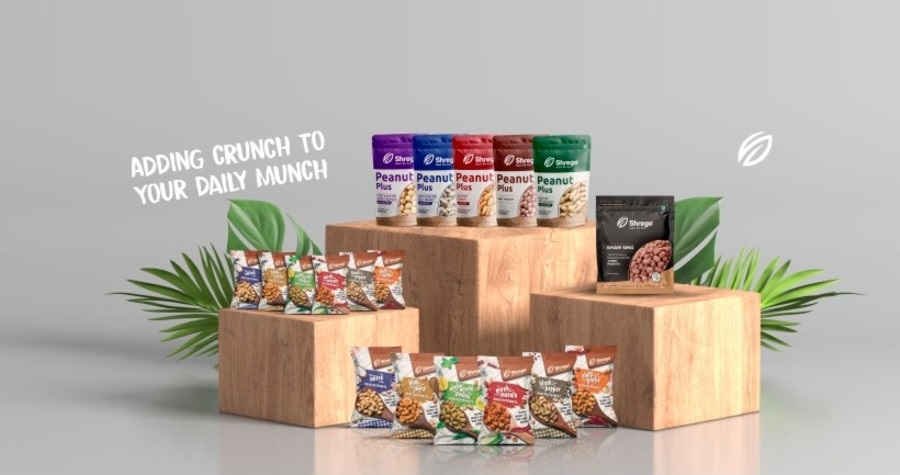
The product portfolio focuses on peanut-based food items:
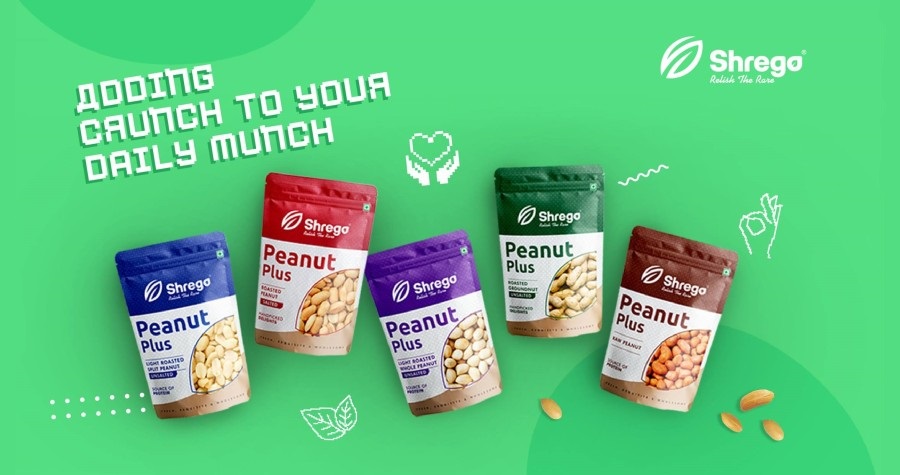
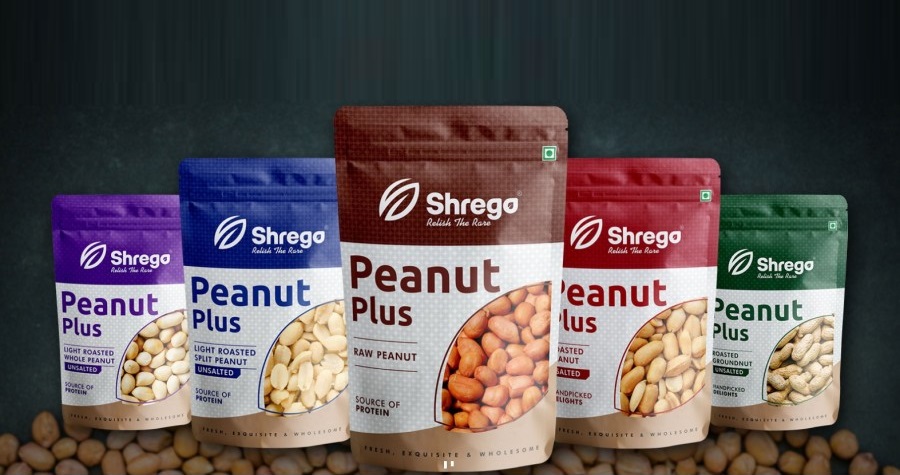
- Blanched Peanuts – processed kernels for snacks and cooking
- Roasted Groundnuts – ready-to-eat snack products
- Raw Peanut Kernels – used by manufacturers and food processors
- Roasted Splits – suitable for namkeen production and bulk usage
- Specialty Peanut Variants – tailored products for specific market segments
This mix allows franchise partners to serve both retail consumers and B2B buyers.
4. Franchise Structure and Operating Model
The business operates as a trade partner or distributor-based franchise:
- Franchisees act as regional distributors of Shrego products
- Responsibilities include inventory management, local sales, and retailer relationships
- The franchisor handles sourcing, processing, packaging, and logistics support
- Partners focus on market expansion and customer acquisition within their territory
This structure reduces manufacturing complexity for franchisees and emphasizes distribution efficiency.
5. Franchise Cost and Investment
| Estimated Investment | INR 10,000 – 50,000 |
|---|---|
| Margin/Commission | Approximately 15% on product sales |
Investment typically covers:
- Initial inventory purchase
- Storage setup
- Basic logistics and transportation
- Working capital for operations
Unlike traditional franchises, earnings are largely driven by volume-based sales margins rather than service fees.
6. Space and Setup Requirements
| Space Requirement | 150 – 300 sq. ft. |
|---|---|
| Location Preference | Residential-commercial areas or near retail clusters |
| Setup Needs | Storage racks, basic inventory management system |
| Staffing | Minimal workforce, often owner-operated |
The setup is designed for low overhead and easy scalability.
7. Training and Franchise Support
Franchise partners typically receive:
- Product knowledge and handling guidance
- Supply chain and logistics support
- Marketing assistance for local market penetration
- Access to established distribution channels
Support systems help partners focus on sales and distribution rather than production.
8. Revenue Model and ROI Factors
Revenue is generated through:
- Margin-based earnings on product sales
- Bulk supply to retailers, wholesalers, and food businesses
Key ROI drivers:
- High consumption frequency of snack products
- Ability to build a strong retailer network
- Efficient inventory turnover
Expected payback period: Approximately 7–8 months, depending on sales volume and distribution reach.
9. Brand Background and Expansion
- Established in 2016 with a focus on peanut processing and distribution
- Operates through a growing network of trade partners
- Expansion strategy centers on regional distribution scaling rather than large retail outlets
- Strong sourcing linkage with peanut-producing regions supports consistent supply
10. What Makes This Franchise Different
The model emphasizes dual-market positioning, supplying both retail snack consumers and industrial buyers such as food manufacturers. Unlike typical snack franchises that rely on storefront sales, this business operates primarily through distribution networks, allowing partners to scale without heavy retail infrastructure.
11. Key Advantages of the Franchise
- Consistent demand for snack and peanut-based products
- Low investment and inventory-driven model
- Fast payback period compared to many retail franchises
- Ability to serve both B2B and B2C markets
- Scalable through expanding retailer network
12. Who Should Consider This Franchise
- First-time entrepreneurs seeking low-investment entry into FMCG
- Small distributors or wholesalers expanding product lines
- Individuals interested in food trading businesses
- Entrepreneurs looking for inventory-based, non-retail-heavy models
14. Similar Franchise Opportunities
Investors evaluating similar food distribution or snack-based franchise models may consider:
- Haldiram’s
- Bikaji Foods International
- Balaji Wafers
- Prataap Snacks
- Dukes India
These brands operate in the FMCG snack and distribution ecosystem, offering comparable opportunities in product-based business models.
What is the investment required for Shrego franchise?
The investment typically ranges from INR 10,000 to 50,000. This includes initial inventory, storage setup, and working capital. The model is designed to be accessible, focusing on distribution rather than heavy infrastructure or retail setup.
How does the Shrego franchise business operate?
The business operates as a distribution model where partners procure peanut products from the brand and supply them to retailers, wholesalers, or end customers. Revenue is generated through margins on product sales and repeat demand.
What space is required for the franchise?
A space of around 150 to 300 sq. ft. is sufficient. This is mainly used for storing inventory and managing dispatch. The business does not require a large retail storefront, making it suitable for small setups.
How long does it take to recover the investment?
The expected payback period is around 7 to 8 months. Recovery depends on sales volume, distribution reach, and how quickly the franchise partner builds a network of retailers and repeat customers.
How can investors apply for the franchise?
Investors can apply by contacting the company’s distribution or franchise team, completing the onboarding process, and setting up initial inventory and logistics. Approval typically depends on location potential and the applicant’s ability to manage distribution operations. ## 14. Similar Franchise Opportunities
