

Shree Yogi Sharbatwala Franchise
Brand & Franchise Snapshot
| Brand Name | Shree Yogi Sharbatwala |
|---|---|
| Industry | Food & Beverage |
| Business Category | Beverage Manufacturing & Distribution (Sharbat, Syrups, Fruit-Based Drinks) |
| Founded Year | 1997 |
| Franchise Started Year | Expansion through distribution/franchise partnerships |
| Total Franchise Outlets | 1–10 |
| Estimated Investment | INR 5 Lakh – 10 Lakh |
| Franchise Fee | Represents brand onboarding, product access, and territory rights |
| Royalty Fee | In beverage distribution models, earnings are often margin-based rather than fixed royalties |
| Space Requirement | 400 – 500 sq. ft. |
| Staff Requirement | Small team for operations, inventory, and sales |
| Expected Payback Period | 1 – 2 years |
1. What is Shree Yogi Sharbatwala?
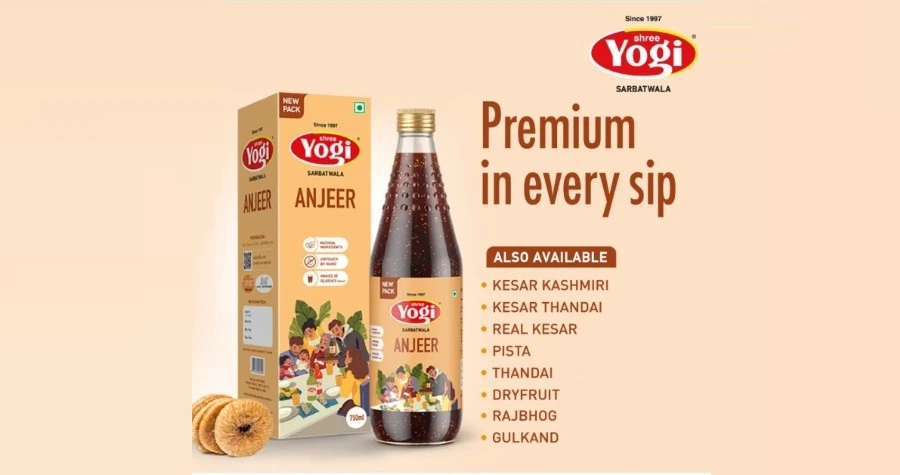
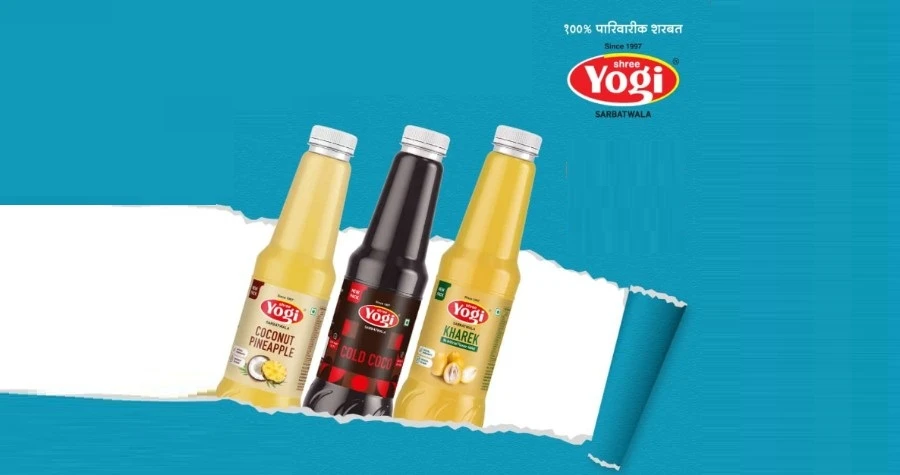
Shree Yogi Sharbatwala is a beverage manufacturing and distribution brand operating in the flavored syrup and traditional drink segment, which falls under the broader food and beverage franchise category. The business focuses on producing and supplying sharbat syrups, fruit-based concentrates, and related products to retail, horeca, and household consumers.
It primarily serves customers seeking ready-to-mix traditional and flavored beverage solutions.
2. How the Business Works
The model combines manufacturing with regional distribution and retail supply.
A typical customer journey begins with retail purchase or bulk procurement by food service businesses. Products are used as concentrates, mixed with water, milk, or curd to create beverages.
Operational workflow includes:
- Receiving stock from the central manufacturing unit
- Storing packaged syrups and beverages
- Supplying to retailers, distributors, or direct customers
- Managing inventory turnover and order cycles
Revenue is generated through product sales margins and repeat consumption demand.
3. Products or Services Offered
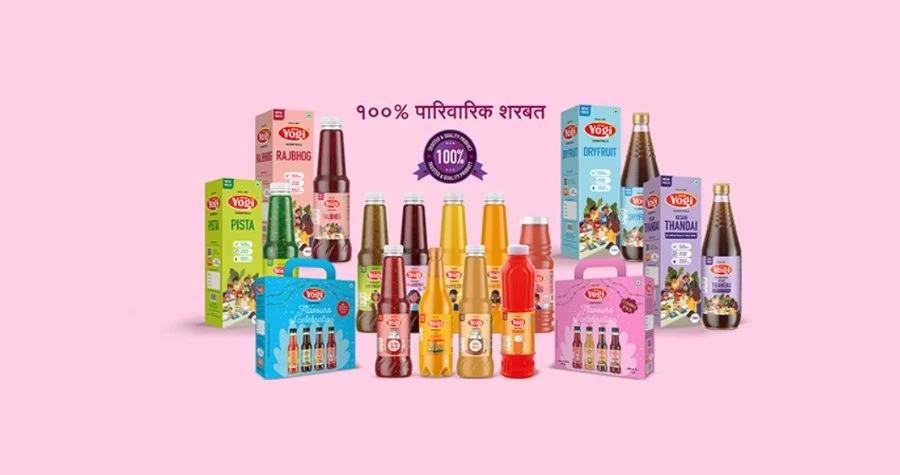
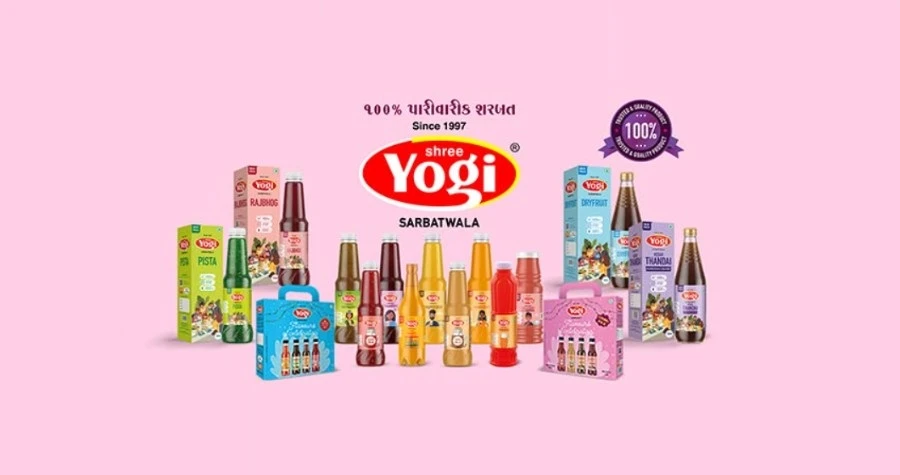
The brand operates with a broad beverage portfolio, enabling multiple consumption occasions:
Core product categories include
- Dry Fruit Sharbat Syrups (almond, saffron blends)
- Fruit Crushes (mango, pineapple, strawberry, litchi)
- Ice Gola Syrups (flavored concentrates for frozen treats)
- Lassi Syrup Bases (used with curd or buttermilk)
- Traditional Sharbat Flavors (rose, khus, jeera, orange)
- Fruit Jams and Spreads
Products are typically offered in retail packs and bulk packaging formats for commercial buyers.
4. Franchise Structure and Operating Model
The opportunity follows a distribution-led franchise structure.
Key elements include:
- Franchise partners act as local distributors or stockists
- The company handles product development, manufacturing, and packaging
- Partners manage regional sales, supply chains, and retailer relationships
- Operations are driven by consistent product availability and market coverage
The model emphasizes product movement and network expansion rather than in-store production.
5. Franchise Cost and Investment
Starting the franchise involves moderate capital compared to restaurant or manufacturing setups.
Investment components include
| Estimated Investment | INR 5 Lakh – 10 Lakh |
|---|---|
| Franchise Fee | Covers brand rights, onboarding, and initial support |
| Setup Costs | Storage infrastructure, shelving, and basic logistics |
| Inventory Investment | Initial stock purchase forms a major cost component |
| Working Capital | Required for ongoing stock replenishment |
In such models, profitability is typically linked to sales volume and distribution reach.
6. Space and Setup Requirements
The business requires a compact distribution and storage setup.
Key requirements
| Area | 400 – 500 sq. ft. |
|---|---|
| Location | Proximity to retail markets, wholesalers, or food service hubs |
| Infrastructure | — |
- Storage racks for bottled products
- Basic handling and dispatch area
- Staffing:
- Limited workforce for sales, packing, and delivery coordination
The setup is designed for efficient product storage and quick dispatch.
7. Training and Franchise Support
Support systems are oriented around product handling and distribution efficiency.
Typical support may include:
| Product Training | Understanding product usage and categories |
|---|---|
| Supply Chain Assistance | Regular product supply and logistics coordination |
| Marketing Support | Brand-led advertising and promotional activities |
| Operational Guidance | Best practices for sales and territory management |
| Ongoing Updates | New product launches and demand trends |
These systems help maintain consistency across markets.
8. Revenue Model and ROI Factors
Revenue is generated through product sales and distribution margins.
Key drivers include:
| Seasonal Demand Peaks | Higher sales during summer months |
|---|---|
| Repeat Consumption | Beverages have strong repeat purchase cycles |
| Retail Network Expansion | More outlets increase volume |
| Bulk Sales | Hotels, restaurants, and caterers contribute to higher order sizes |
With a stated payback window of 1–2 years, performance depends on distribution efficiency and local demand capture.
9. Brand Background and Expansion
The company has been operating since 1997, building experience in traditional beverage manufacturing.
Growth has been supported by:
- Expansion of product portfolio (60+ varieties)
- Development of automated production facilities
- Entry into domestic and international markets
- Increasing focus on distribution network expansion
The business continues to scale through partnerships and product diversification.
10. What Makes This Franchise Different
Unlike typical beverage outlets that depend on in-store preparation or quick-service sales, this model operates as a product-based distribution system centered on concentrated syrups.
Key distinction:
- Products are multi-use concentrates, enabling consumption across multiple formats (drinks, desserts, food service)
- Revenue is driven by volume distribution rather than footfall
- Flexibility to serve both retail and bulk commercial segments
This hybrid positioning between FMCG and food service distribution creates multiple revenue channels.
11. Key Advantages of the Franchise
- Strong demand for traditional and flavored beverages
- Scalable distribution-based business model
- Repeat consumption ensures recurring sales
- Ability to cater to both retail and horeca segments
- Moderate investment compared to food retail outlets
- Product variety supports cross-selling opportunities
12. Who Should Consider This Franchise
This opportunity may suit:
- Entrepreneurs entering the food and beverage distribution space
- Investors seeking non-perishable FMCG-style businesses
- Individuals with retail or wholesale network connections
- Business owners looking for seasonal high-demand products with year-round baseline sales
It is particularly suitable for those comfortable managing supply chains.
14. Similar Franchise Opportunities
Investors exploring beverage and FMCG distribution opportunities may also consider:
- Rasna
- Paper Boat
- Patanjali Ayurved
- Dabur
- Coca-Cola India
These brands operate in adjacent beverage or FMCG segments with comparable distribution-driven business models.
Accepting franchise applications in 36 states & UTs
What is the investment required for Shree Yogi Sharbatwala franchise?
The investment typically ranges between INR 5 lakh and 10 lakh. This includes initial inventory purchase, storage setup, and onboarding costs. Additional working capital may be required depending on the scale of operations and frequency of stock replenishment.
How does the Shree Yogi Sharbatwala franchise business operate?
The business operates as a distribution model where franchise partners procure beverage products and supply them to retailers or customers. Earnings are generated through margins on sales, with operations focused on inventory management, logistics, and local market expansion.
What space is required for the franchise?
An area of around 400 to 500 sq. ft. is typically sufficient. The space should accommodate storage, product handling, and dispatch. Locations near retail clusters or food service businesses can improve operational efficiency and market access.
How long does it take to recover the investment?
The expected payback period is approximately 1 to 2 years. Actual recovery depends on sales volume, market demand, and distribution efficiency. Strong retailer networks and bulk buyers can accelerate revenue generation and shorten the payback timeline.
How can investors apply for the franchise?
Interested investors can apply by contacting the company and expressing interest in becoming a franchise or distribution partner. The process generally involves evaluation of location potential, investment readiness, and the ability to manage inventory and local sales operations. ## 14. Similar Franchise Opportunities
