



Shivneri Masale Franchise
Brand & Franchise Snapshot
Brand Name: Shivneri Masale
Industry: Food Processing
Business Category: Spices Manufacturing & Distribution
Founded Year: 2016
Franchise Started Year: Typically reflects when the brand began offering partner-based expansion models
Total Franchise Outlets: 1 – 10
Estimated Investment: INR 50,000 – 2 Lakh
Franchise Fee: Represents onboarding, brand usage, and access to product supply systems
Royalty Fee: Usually structured as a percentage of sales or supply margin in product-based franchises
Space Requirement: Small operational or storage space depending on distribution scale
Staff Requirement: 1–3 people for handling sales, storage, and distribution
Expected Payback Period: Influenced by distribution volume and local demand for spices
1. What is Shivneri Masale?
Shivneri Masale operates in the spice processing and distribution segment within the broader food processing and FMCG franchise category. The business focuses on producing and supplying processed spices such as turmeric and ginger in various formats.
The brand primarily serves households, retailers, food businesses, and bulk buyers looking for processed spice products with consistent quality.
The Business Concept
The concept combines spice manufacturing with distribution partnerships, allowing franchisees to operate as supply and sales points. Unlike traditional spice retailers that rely on open-market sourcing, this model integrates:
- Controlled processing techniques
- Standardized product quality
- Direct supply from production units
This reduces dependency on local sourcing variability and enables consistency in product offerings.
2. How the Business Works
The operational model is supply-driven.
- Processed spices are manufactured using specialized techniques
- Franchise partners receive products directly from the company
- Products are sold to retailers, wholesalers, or end customers
- Bulk orders and repeat distribution cycles drive revenue
Daily operations include inventory management, order fulfillment, and local market sales or distribution.
Revenue is generated through margins on product sales and bulk supply agreements.
3. Products or Services Offered
Franchise partners typically deal with:
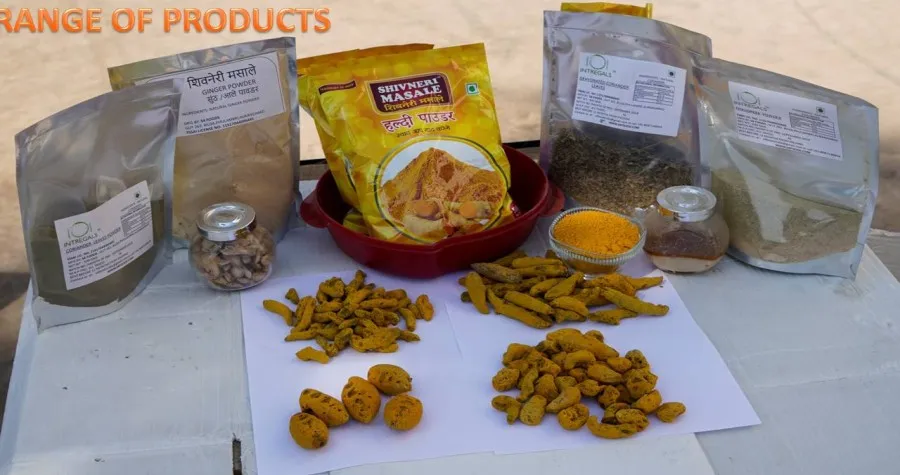
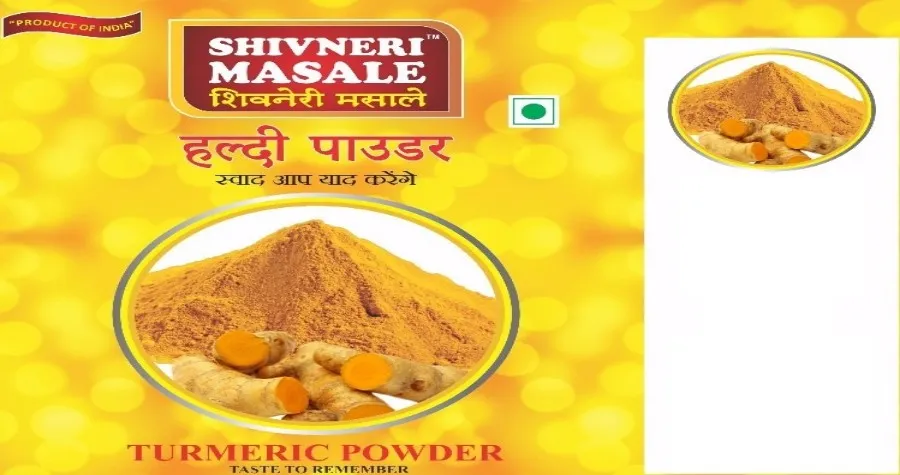
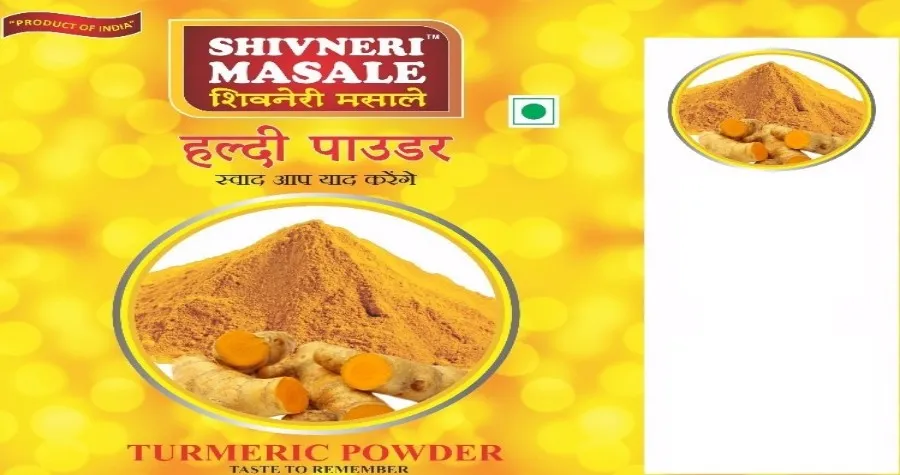
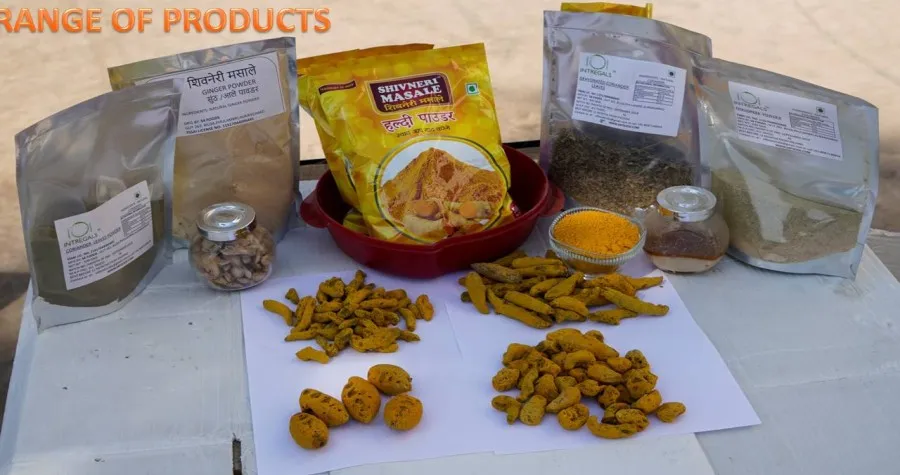
- Turmeric Powder
Processed with focus on retaining color and active compounds
- Ginger Powder
Prepared for culinary and commercial use
- Dehydrated Spice Products
Whole, sliced, or processed rhizomes for different applications
- Bulk Packaging Options
Multiple pack sizes catering to retail and wholesale markets
- Processing and Equipment Solutions (B2B)
Support for spice processing setups and facility-related services
4. Franchise Structure and Operating Model
The franchise model functions as a distribution and sales partnership.
- Franchisees act as local distributors or suppliers
- Responsibilities include sales, client acquisition, and inventory handling
- The franchisor supplies processed products and operational guidance
- Business operations focus on building local supply networks
This model is suited for regions with demand for packaged or bulk spices.
5. Franchise Cost and Investment
The investment requirement is relatively low compared to manufacturing-led businesses.
Estimated Investment: INR 50,000 – 2 lakh
Cost components typically include:
- Initial inventory purchase
- Storage and basic infrastructure
- Local distribution or transportation setup
Franchise fees in such models generally cover brand onboarding and supply chain access, while royalties may support ongoing product sourcing and brand usage.
6. Space and Setup Requirements
Infrastructure needs are minimal.
Space Requirement: Small storage or office space
Preferred Locations
- Local markets
- Wholesale hubs
- Residential-commercial mixed zones
Setup Needs
- Storage racks and packaging area
- Basic logistics or delivery arrangements
Staffing
1–3 people depending on scale of operations
7. Training and Franchise Support
Support focuses on operational efficiency and product handling.
- Training on product knowledge and sales approach
- Guidance on inventory and distribution management
- Assistance with sourcing and supply chain coordination
- Support for setting up basic operations
- Ongoing updates on product offerings and market demand
These systems help franchisees operate without requiring manufacturing expertise.
8. Revenue Model and ROI Factors
Revenue is driven by product sales volume.
Key factors include:
- Demand for spices in local markets
- Retail and wholesale distribution networks
- Repeat purchases from regular buyers
- Pricing margins between procurement and selling
Profitability depends on:
- Efficient inventory turnover
- Local market penetration
- Ability to secure bulk buyers
The payback period varies based on sales consistency and distribution reach.
9. Brand Background and Expansion
Established in 2016, the brand has developed experience in spice processing and product distribution. Expansion has been gradual through partnerships and localized distribution networks rather than large-scale retail outlets.
Growth opportunities are linked to increasing demand for packaged and processed spices.
10. What Makes This Franchise Different
The model integrates processing technology with distribution, rather than functioning purely as a reseller.
Key distinctions include:
- Focus on specific spices such as turmeric and ginger
- Controlled processing methods that reduce dependence on traditional drying conditions
- Ability to supply standardized products across locations
This creates a more structured supply chain compared to typical unorganized spice trading businesses.
11. Key Advantages of the Franchise
- Consistent demand for essential food products
- Low investment entry point
- Scalable distribution model
- Opportunity for bulk and repeat sales
- Simplified operations without manufacturing complexity
- Potential to expand into B2B supply channels
12. Who Should Consider This Franchise
This opportunity is suitable for:
- First-time entrepreneurs entering FMCG distribution
- Traders and wholesalers looking to expand product lines
- Small investors seeking low-cost business models
- Individuals with access to local retail or wholesale networks
14. Similar Franchise Opportunities
Entrepreneurs exploring spice and FMCG distribution businesses may also evaluate:
- Everest Spices
- MDH Spices
- Catch Spices
- Badshah Masala
- Patanjali Ayurved
These brands operate in the packaged spice and FMCG segment, offering comparable distribution and retail partnership opportunities.
What is the investment required for Shivneri Masale franchise?
The investment typically ranges between INR 50,000 and 2 lakh. This includes initial inventory, basic storage setup, and operational expenses. The low entry cost makes it accessible for individuals entering the food distribution or FMCG sector.
How does the Shivneri Masale franchise business operate?
The business operates as a distribution and sales model. Franchisees procure processed spice products from the company and sell them locally to retailers, wholesalers, or direct customers. Revenue is generated through margins on product sales and repeat supply cycles.
What space is required to start the franchise?
A small storage or office space is sufficient to begin operations. The focus is on inventory handling and distribution rather than customer-facing retail, so space requirements are minimal compared to traditional storefront businesses.
How long does it take to recover the investment?
The payback period depends on sales volume and distribution reach. Businesses with strong local demand and steady bulk orders can recover investment faster, while slower-moving markets may take longer to achieve consistent profitability.
How can investors apply for the franchise?
Interested individuals can apply by contacting the company and completing the onboarding process. This typically involves registration, product training, and initial inventory setup, after which franchisees can begin local distribution and sales activities. ## 14. Similar Franchise Opportunities
