


Shivangani Logistics Franchise
Brand & Franchise Snapshot
Brand Name: Shivangani Logistics
Industry: Logistics & Transportation
Business Category: Courier & Delivery Services
Founded Year: 2015
Franchise Started Year: 2016
Total Franchise Outlets: 20 – 50
Estimated Investment: INR 10,000 – 2 Lakh
Franchise Fee: INR 1,50,000
Royalty Fee: 15%
Space Requirement: Typically small office or hub-based setup depending on service area
Staff Requirement: Small team for delivery handling, coordination, and customer support
Expected Payback Period: Depends on delivery volume and operational efficiency
1. What is Shivangani Logistics?
Shivangani Logistics operates in the courier and transportation services segment, offering delivery and logistics solutions through a hub-based franchise model. It falls under the broader logistics and last-mile delivery franchise category, where local operators manage delivery networks within defined territories.
The business primarily serves e-commerce sellers, businesses, and individuals requiring parcel movement and distribution services.
The Business Concept
The core concept is based on decentralized delivery hubs managed by franchise partners. Each franchise operates as a local logistics center responsible for handling shipments within a designated area.
Unlike traditional courier agencies that focus mainly on booking parcels, this model emphasizes operational control at the last-mile level, including delivery execution and hub management.
2. How the Business Operates
Daily operations revolve around managing an “online mini hub” for deliveries.
- Shipments are assigned to the franchise hub from centralized systems or partner networks
- Parcels are sorted, scheduled, and dispatched for delivery
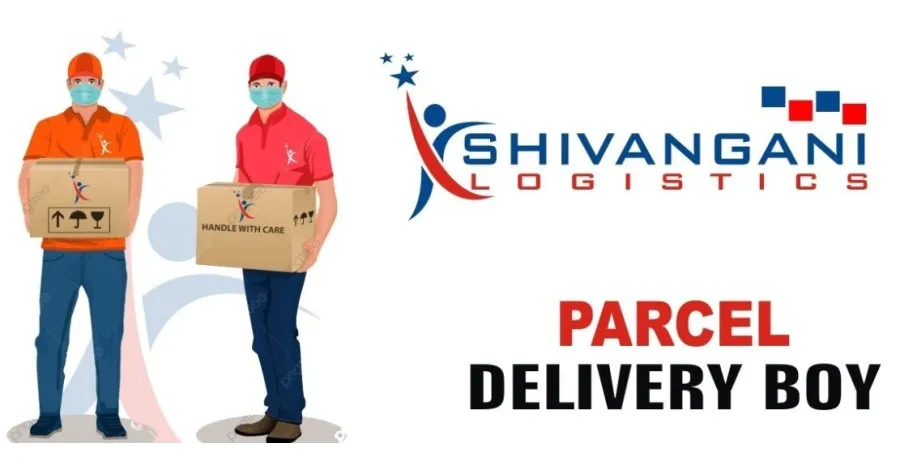
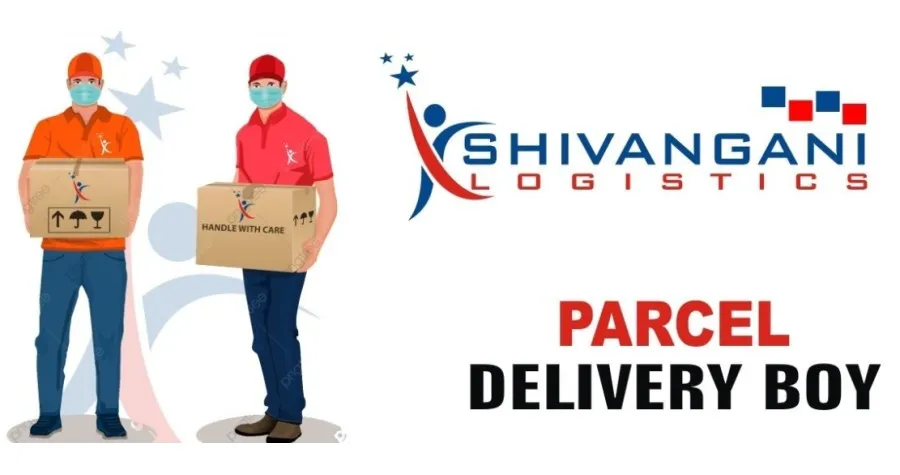
- Delivery staff complete last-mile distribution
- Status updates and tracking are managed through digital systems
Revenue is generated through service fees per shipment handled, typically linked to delivery volume and efficiency.
3. Products or Services Portfolio
Franchise outlets operate across logistics service categories:
- Last-Mile Delivery Services
Final delivery of parcels to customers
- Hub-Based Parcel Handling
Sorting and routing of shipments within a service area
- E-commerce Logistics Support
Handling deliveries for online sellers and marketplaces
- Local Distribution Services
Movement of goods within city or regional limits
- Delivery Network Operations
Managing fleet coordination and route planning
4. The Franchise Opportunity
The model is structured to enable individuals to operate delivery hubs under the brand system.
- Franchisees manage daily logistics operations in their assigned territory
- Responsibilities include delivery execution, staff management, and maintaining service standards
- The franchisor provides access to systems, branding, and operational processes
- Franchise partners act as independent operators while following standardized procedures
The relationship combines centralized logistics coordination with local execution.
5. Investment and Startup Requirements
The investment requirement is relatively flexible, depending on the scale of operations.
Estimated Investment: INR 10,000 – 2 Lakh
Franchise Fee: INR 1,50,000
- Setup costs may include:
- Office setup or mini hub
- Basic equipment (computers, scanners, communication tools)
- Initial staffing and operational expenses
Royalty: 15% of revenue or service earnings
This structure reflects a typical logistics franchise where ongoing revenue sharing is linked to operational support and brand usage.
6. Outlet Setup and Infrastructure
The business operates from a hub-based setup rather than a retail storefront.
Space Requirement: Small office or warehouse-style space
Location Preference: Easily accessible areas for delivery routing and staff movement
Infrastructure Needs
- Parcel storage and sorting area
- Workstations for coordination
- Communication systems and tracking tools
Staffing
Delivery personnel and basic administrative support
7. Franchise Support and Training
Support systems are designed to help franchisees manage logistics operations efficiently.
- Training on delivery processes and logistics management
- Assistance in selecting and setting up the hub location
- Access to operational systems and tracking tools
- Guidance on staff hiring and management
- Ongoing support for operational challenges
These systems help standardize service quality across different franchise locations.
8. Revenue Model and Profit Considerations
Income is primarily driven by delivery volume.
Key revenue factors include:
- Number of shipments handled daily
- Efficiency of delivery operations
- Service agreements with logistics networks or e-commerce partners
- Cost control in staffing and transportation
The model benefits from recurring demand due to growth in e-commerce and local delivery needs. Profitability improves with higher shipment volumes and optimized routing.
9. Brand Background and Growth
Established in 2015, the company entered franchising the following year to expand its delivery network. The current network of franchise outlets indicates a distributed logistics model focused on regional coverage.
Expansion is driven by increasing demand for last-mile delivery services and decentralized logistics infrastructure.
10. What Makes This Franchise Different
The model emphasizes micro-hub operations for last-mile logistics, rather than traditional courier booking counters.
This structure allows franchisees to directly control delivery execution, which can improve service efficiency and scalability compared to models that rely solely on centralized distribution centers.
Advantages of the Franchise
- Growing demand for delivery and logistics services
- Low to moderate entry investment depending on scale
- Recurring revenue linked to shipment volume
- Scalable operations through increased delivery capacity
- Structured operational support and systems
- Opportunity to build local logistics networks
11. Who Should Consider This Franchise
This opportunity is suitable for:
- Entrepreneurs interested in logistics and supply chain operations
- Individuals with experience in delivery or transportation services
- Small business owners looking for scalable service models
- First-time entrepreneurs willing to manage operations actively
- Investors seeking entry into the e-commerce logistics ecosystem
13. Similar Franchise Opportunities
Investors exploring logistics and delivery franchises may also evaluate:
- DTDC Express Limited
- Delhivery
- Blue Dart Express
- Shadowfax
- XpressBees
These companies operate within the logistics and courier ecosystem, offering comparable models for last-mile delivery and distribution services.
Accepting franchise applications in 18 states & UTs
What investment is required for Shivangani Logistics franchise?
The investment ranges from a low entry level to moderate capital depending on the size of the delivery hub. Costs typically include franchise fee, basic office setup, and operational expenses such as staffing and equipment required for managing deliveries.
How does the Shivangani Logistics franchise operate?
Franchisees run a local delivery hub that manages parcel sorting, routing, and last-mile delivery. Shipments are assigned through centralized systems, and the franchise partner ensures timely delivery while maintaining service standards and operational efficiency.
What space is required to start the franchise?
A small office or hub space is sufficient, depending on the delivery volume. The setup should allow for parcel storage, sorting, and coordination activities, along with easy access for delivery staff movement.
How long does it take to recover the investment?
The payback period depends on delivery volumes and operational efficiency. Higher shipment volumes and efficient route management can accelerate returns, while initial months may involve building consistent delivery flow.
How can investors apply for the franchise?
Prospective franchisees can apply by connecting with the company and undergoing an evaluation process. After approval, they receive guidance on setup, training, and operational onboarding before launching their delivery hub. ## 13. Similar Franchise Opportunities
