



Shishuranjan Franchise
Brand & Franchise Snapshot
Brand Name: Shishuranjan
Industry: Retail
Business Category: Toy Shops & Kids’ Products
Founded Year: 1975
Franchise Started Year: 2020
Total Franchise Outlets: 1 – 10
Estimated Investment: INR 10 lakh – 20 lakh
Franchise Fee: INR 3,00,000
Royalty Fee: Typically structured as a percentage of sales or included within product supply margins in retail franchises
Space Requirement: 300 – 3000 sq. ft.
Staff Requirement: 3–10 staff depending on store size
Expected Payback Period: 2 – 3 years
1. What is Shishuranjan?
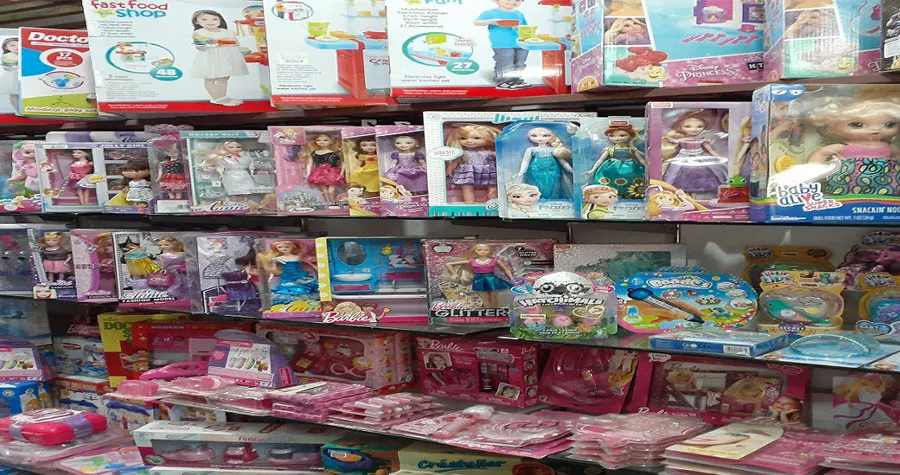
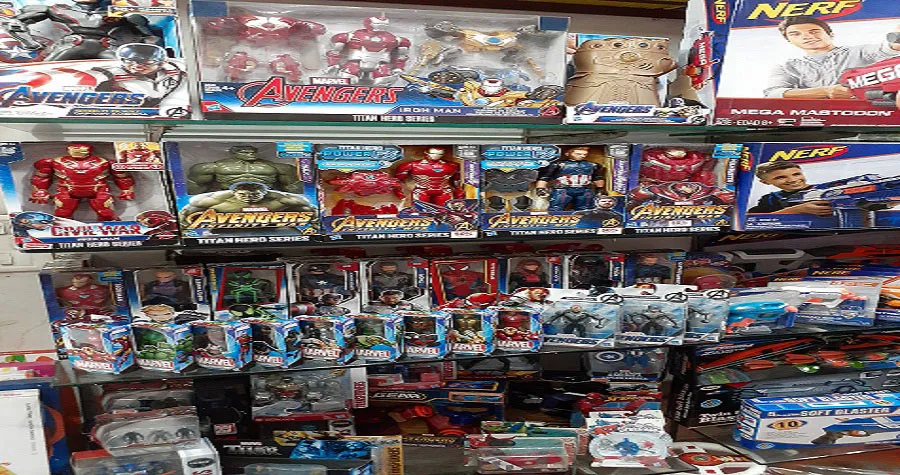
Shishuranjan is a toy retail and distribution business that offers a wide range of toys and games sourced from multiple brands. It operates in the children’s retail segment, which forms part of the broader toy store and specialty retail franchise category.
The business targets families, parents, and children looking for educational, recreational, and interactive toys across different age groups.
The Business Concept
The concept combines multi-brand retailing with centralized sourcing. Instead of manufacturing its own products, the model focuses on curating and supplying toys from various national and international brands.
This approach positions the store as a comprehensive destination for toys, where product variety and availability play a key role in customer attraction.
2. How the Business Works
The business operates as a physical retail store supported by a supply and distribution network.
Customers visit the outlet to browse and purchase toys. The franchisee manages inventory, merchandising, and customer service while sourcing products through the brand’s vendor network.
Typical daily operations include:
- Product display and store management
- Customer interaction and sales assistance
- Inventory tracking and replenishment
- Billing and transaction handling
Revenue is generated through retail sales, with margins depending on product categories and supplier terms.
3. Products or Services Offered
The franchise provides a wide selection of toys and related products:
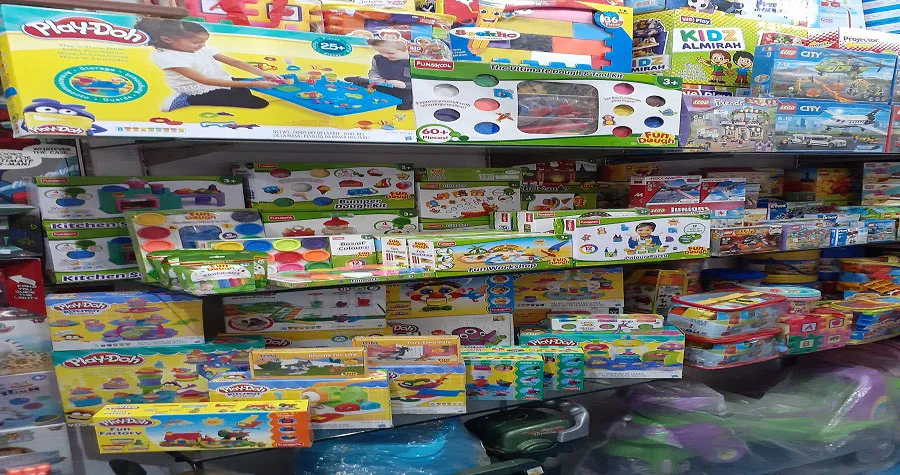
- Educational Toys
Products designed to support learning and development
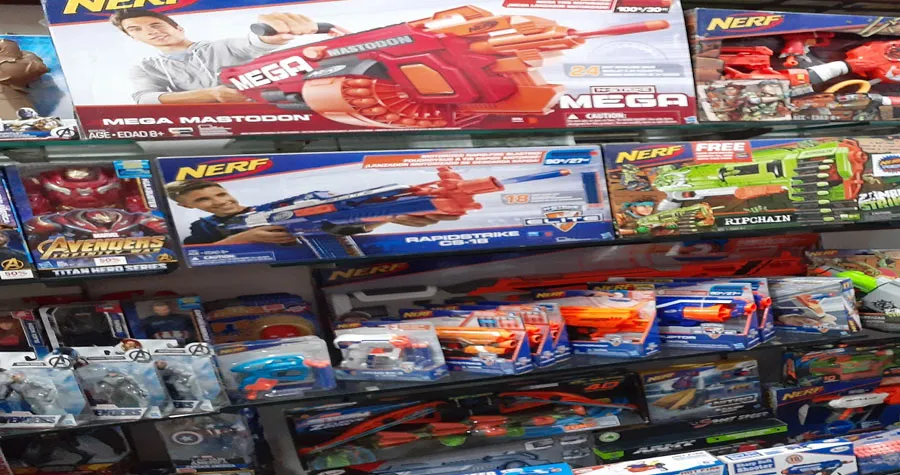
- Interactive Games
Toys that encourage engagement and activity
- General Play Toys
Items catering to different age groups
- Branded Toy Collections
Products sourced from established domestic and international brands
- Seasonal and Trend-Based Products
Toys aligned with market trends and festive demand
The variety of products allows the store to cater to diverse customer preferences.
4. Franchise Structure and Operating Model
The franchise follows a retail partnership model.
- Franchise partners set up and operate a toy store under the brand
- The franchisor provides access to supplier networks, product sourcing, and operational tools
- Franchisees manage store operations, staffing, and customer engagement
- Inventory and merchandising are aligned with brand guidelines and supply systems
This structure enables consistent product availability across locations.
5. Franchise Cost and Investment
The investment requirement reflects a mid-to-large scale retail setup.
Estimated Investment: INR 10 lakh – 20 lakh
- Includes store setup, interior design, inventory purchase, and working capital
- Franchise fee provides access to brand, systems, and supplier network
- Ongoing costs include inventory replenishment and operational expenses
In toy retail, a significant portion of investment is allocated to inventory depth and store presentation.
6. Space and Setup Requirements
The business requires a flexible retail space depending on scale.
Space: 300 – 3000 sq. ft.
Location: Shopping areas, malls, or high footfall residential-commercial zones
Setup Needs
- Shelving and product display units
- Child-friendly store layout
- Billing and inventory systems
Staffing
Sales staff and store management personnel
Larger spaces allow for broader product display and improved customer experience.
7. Training and Franchise Support
The franchisor provides operational and system-level support.
- Guidance in store setup and layout planning
- Billing and inventory management software
- Marketing strategies and promotional planning
- Support in sourcing and vendor coordination
- Ongoing operational assistance
These systems help streamline retail operations and inventory control.
8. Revenue Model and ROI Factors
Revenue is driven by retail sales of toys and related products.
Key factors include:
- Product variety and pricing strategy
- Customer footfall and store location
- Seasonal demand (festivals, holidays, gifting occasions)
- Repeat purchases from families
Margins vary by product category, and profitability depends on inventory turnover and effective merchandising.
The expected payback period typically spans a few years, influenced by store scale and sales performance.
9. Brand Background and Expansion
Shishuranjan began operations in 1975 as a toy retail business and later expanded into distribution. Franchising started in 2020, marking a transition toward structured expansion through partner-operated stores.
The current network is limited, indicating an early-stage franchise rollout with potential for growth in organized toy retail markets.
10. What Makes This Franchise Different
Unlike single-brand toy stores or unorganized local shops, this model focuses on multi-brand aggregation combined with a structured supply chain. Franchisees gain access to a wide product portfolio through centralized sourcing rather than managing multiple vendor relationships independently.
This reduces procurement complexity and allows consistent inventory availability.
11. Key Advantages of the Franchise
- Continuous demand for children’s toys and gifting products
- Wide product range catering to multiple age groups
- Established sourcing and vendor network
- Scalable retail format from small to large stores
- Seasonal sales opportunities boosting revenue
- Operational tools for inventory and billing management
12. Who Should Consider This Franchise
This opportunity is suited for entrepreneurs interested in retail and consumer products.
Ideal profiles include:
- Retail business owners expanding into toy segments
- First-time entrepreneurs entering specialty retail
- Investors seeking store-based businesses
- Individuals targeting family and children-focused markets
- Operators in malls or high-footfall retail locations
14. Similar Franchise Opportunities
Investors exploring this category may also consider:
- Hamleys
- FirstCry
- Reliance Smart Toys
- Toys“R”Us
- Funskool
These brands operate in the toy and children’s retail segment, offering comparable business models focused on product variety and retail-driven revenue.
Accepting franchise applications in 22 states & UTs
What is the investment required for Shishuranjan franchise?
The investment typically ranges from mid to high depending on store size and inventory levels. It includes costs for store setup, interior design, initial stock purchase, and working capital. A franchise fee is required to access the brand and supplier network.
How does the Shishuranjan franchise business operate?
The business operates as a toy retail store offering products from multiple brands. Franchisees manage daily operations, including sales, inventory, and customer service, while sourcing products through the brand’s centralized network and systems.
What space is required for the franchise?
The required space can vary widely depending on store format, ranging from compact outlets to larger retail stores. Locations with high footfall, such as malls or busy commercial areas, are generally more suitable for attracting customers.
How long does it take to recover the investment?
The payback period depends on store size, location, and sales performance. Toy retail businesses typically see returns over a longer cycle due to inventory investment, but consistent sales and seasonal demand can support steady revenue growth.
How can investors apply for the franchise?
Prospective franchisees usually start by contacting the brand and evaluating the business model. After approval, the process includes store setup, inventory planning, and launch with operational and marketing support provided by the franchisor. ## 14. Similar Franchise Opportunities
