



Shishu Sanskar Franchise
Brand & Franchise Snapshot
Brand Name: Shishu Sanskar
Industry: Education
Business Category: Preschool & Early Childhood Education
Founded Year: 2011
Franchise Started Year: 2014
Total Franchise Outlets: 1 – 10
Estimated Investment: INR 2 lakh – 5 lakh
Franchise Fee: INR 1,00,000
Royalty Fee: Typically structured as a percentage of revenue or included within academic service support models
Space Requirement: 300 – 400 sq. ft.
Staff Requirement: 3–6 staff including teachers and admin
Expected Payback Period: 3 – 6 months
1. What is Shishu Sanskar?
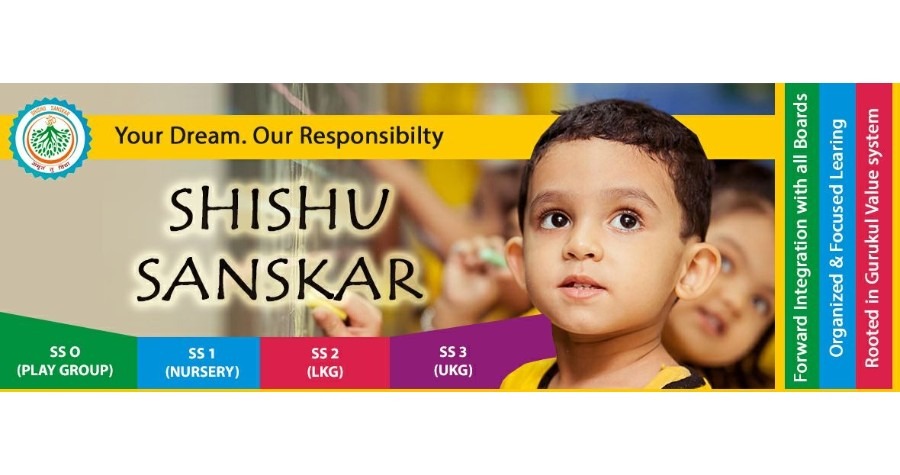
Shishu Sanskar operates in the preschool and early childhood education segment, offering structured learning programs focused on foundational education and value-based development for young children.
The franchise falls under the preschool and early education franchise category, where local centers deliver curriculum-driven learning combined with developmental activities. The target audience includes children in early learning stages and parents seeking structured, guided education environments.
The Business Concept
The concept combines academic readiness with behavioral and value-based learning. Instead of focusing only on early academics, the model integrates structured curriculum, activities, and parent engagement tools.
This creates a hybrid approach where education delivery includes classroom learning, activity-based development, and communication with parents through digital tools.
2. How the Business Works
The franchise operates as a preschool or early learning center.
Parents enroll children into structured programs. The center conducts daily classes based on defined curriculum modules, supported by activity-based learning and regular assessments.
Operational workflow includes:
- Student admissions and parent interaction
- Classroom teaching and activity sessions
- Monitoring student development
- Communication with parents through digital tools
- Managing school operations and schedules
Revenue is generated through admission fees, tuition fees, and related educational services.
3. Products or Services Offered
The franchise delivers a combination of academic and developmental services:
- Preschool Education Programs
Foundational learning for early childhood
- Curriculum-Based Learning Materials
Structured books and educational content
- Activity-Based Learning Modules
Games and interactive exercises supporting development
- Parent Communication Systems
Tools to track child progress and engagement
- School Branding & Operational Materials
Stationery, identity materials, and institutional setup components
These offerings create a complete preschool ecosystem rather than a single-service model.
4. Franchise Structure and Operating Model
The franchise operates as a unit-based education center.
- Franchise partners establish and manage local preschool centers
- The franchisor provides curriculum, branding, and operational frameworks
- Franchisees handle admissions, staff management, and daily operations
- Continuous coordination ensures adherence to academic and operational standards
The model combines education delivery with structured administrative systems.
5. Investment and Startup Requirements
The investment level aligns with small-format preschool setups.
Estimated Investment: INR 2 lakh – 5 lakh
- Includes classroom setup, teaching materials, branding, and initial marketing
- Franchise fee provides access to curriculum and brand systems
- Ongoing payments typically support curriculum updates, training, and operational assistance
In preschool franchises, major costs are related to infrastructure and learning materials.
6. Outlet Setup and Infrastructure
The center requires a compact but child-friendly setup.
Space: 300 – 400 sq. ft.
Location: Residential areas, near schools, or family-oriented neighborhoods
Infrastructure Needs
- Classrooms with child-safe furniture
- Learning and activity zones
- Educational materials and teaching aids
- Basic administrative space
Staffing
Teachers, assistants, and administrative support
The environment must be designed for safety, engagement, and ease of learning.
7. Franchise Support and Training
The franchisor provides structured support systems for smooth operations.
- Curriculum design and teaching frameworks
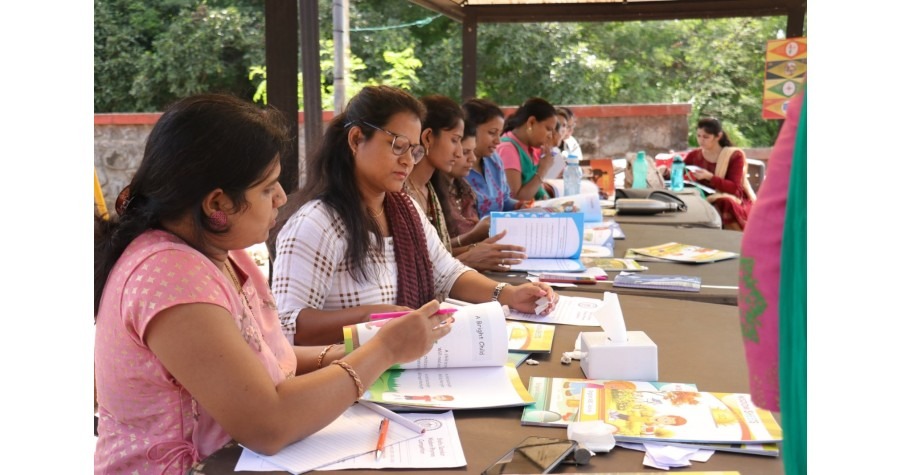
- Training for teachers and staff
- Assistance in recruitment of educators
- Marketing and branding support materials
- Technology tools for administration and communication
- Ongoing operational guidance
These systems help maintain consistency across centers.
8. Revenue Model and Profit Considerations
Revenue is generated through education services.
Key drivers include:
- Student enrollment levels
- Fee structure per program
- Retention and progression of students
- Reputation within the local community
Operational costs include staff salaries, rent, and educational materials. The relatively short payback period is linked to steady enrollment and recurring fee structures.
9. Brand Background and Growth
The brand was established in 2011 and expanded into franchising in 2014. The current network remains limited, indicating an early-stage expansion strategy focused on growing presence in local education markets.
Growth is driven by increasing demand for structured preschool education and early learning programs.
10. What Makes This Franchise Different
Unlike many preschool models that primarily focus on basic early education, this concept integrates curriculum, parent communication tools, and structured activity systems into a unified operational framework.
The inclusion of digital tools for parent engagement and standardized teaching processes creates a more system-driven approach compared to informal local preschools.
11. Key Advantages of the Franchise
- Consistent demand for early childhood education
- Structured curriculum and operational system
- Moderate investment compared to larger schools
- Recurring revenue through tuition fees
- Support in teacher training and recruitment
- Potential to expand into higher education levels
12. Who Should Consider This Franchise
This opportunity is suited for individuals interested in education and community-based businesses.
Ideal profiles include:
- First-time entrepreneurs entering the education sector
- Teachers and educators looking to start their own center
- Existing school operators expanding services
- Individuals interested in child development and learning
- Investors seeking stable service-based businesses
14. Similar Franchise Opportunities
Investors evaluating this segment may also consider:
- Kidzee
- EuroKids
- Bachpan Play School
- Little Millennium
- Hello Kids
These brands operate in the preschool and early education franchise space, offering comparable models focused on structured curriculum and child development.
Accepting franchise applications in 32 states & UTs
What is the investment required for Shishu Sanskar franchise?
The investment typically falls within a moderate range and covers classroom setup, teaching materials, branding, and initial marketing. A franchise fee is required for access to curriculum and systems, while ongoing costs include operational expenses such as staff salaries and facility maintenance.
How does the Shishu Sanskar franchise business operate?
The franchise operates as a preschool center where children are enrolled in structured learning programs. The franchisee manages admissions, staff, and daily operations while following standardized curriculum and teaching methods provided by the franchisor.
What space is required to start the franchise?
A space of around 300 to 400 square feet is generally required. The setup should include classrooms, activity areas, and basic administrative space. Locations in residential neighborhoods with access to families tend to support better enrollment.
How long does it take to recover the investment?
The payback period depends on enrollment levels and fee structure. With consistent admissions and efficient operations, preschool centers can achieve breakeven within a relatively short period due to recurring tuition-based revenue.
How can investors apply for the franchise?
Interested investors typically contact the brand, review the business model, and assess local demand. After approval, they proceed with center setup, staff hiring, and training, followed by launch with marketing support to begin enrolling students. ## 14. Similar Franchise Opportunities
