



Shanti’S Hopskotch Preschool Franchise
Brand & Franchise Snapshot
| Brand Name | Shanti’s Hopskotch Preschool |
|---|---|
| Industry | Education / Early Childhood Learning |
| Business Category | Premium Preschool Franchise |
| Founded Year | 2014 |
| Franchise Started Year | 2014 |
| Total Franchise Outlets | 1–10 (premium centers segment) |
| Estimated Investment | ?10 Lakhs – ?20 Lakhs |
| Franchise Fee | ?6 Lakhs |
| Royalty Fee | 15% |
| Space Requirement | 3000 – 5000 sq.ft. |
| Staff Requirement | Qualified teachers, assistants, and administrative staff |
| Expected Payback Period | 1–2 years |
1. What is Shanti’s Hopskotch Preschool?
Shanti’s Hopskotch Preschool is a premium preschool franchise operating in the early childhood education sector. It provides structured learning programs designed for young children, combining academic readiness with developmental activities. The concept is positioned within the organized preschool franchise category, targeting families seeking higher-quality early education environments.
2. How the Business Works
The model operates as a center-based preschool focused on structured daily learning and care.
Children are enrolled into age-specific programs, and the day is organized around guided classroom sessions, activity-based learning, and supervised play. The operational workflow includes curriculum delivery, student engagement, and continuous interaction with parents.
Typical workflow includes:
- Admissions and enrollment management
- Daily classroom instruction and activity planning
- Monitoring child development and progress
- Parent communication and reporting
Revenue is generated through admission fees, tuition fees, and program-based charges.
3. Products or Services Offered
The preschool delivers a structured educational experience through multiple components:
Core Programs
- Playgroup, nursery, and kindergarten levels
Learning Approach
- Activity-based and experiential learning
- Development-focused curriculum covering cognitive, social, and physical skills
Development Framework
- Multi-dimensional skill development across areas such as communication, reasoning, creativity, and physical coordination
Parent Engagement
- Workshops and regular communication programs
This combination positions the offering as both educational and developmental.
4. Franchise Structure and Operating Model
The franchise operates under a standardized education delivery system with defined roles.
Franchise Partner Responsibilities
- Managing day-to-day school operations
- Recruiting and supervising staff
- Maintaining infrastructure and safety standards
- Driving admissions and local outreach
Franchisor Role
- Providing curriculum and teaching frameworks
- Offering operational systems and brand guidelines
- Supporting setup and initial launch
- Delivering training for staff and management
The model requires active operational involvement, particularly in academic and administrative management.
5. Franchise Cost and Investment
The investment requirement falls within the mid-range for preschool businesses.
Investment Overview
- ?10–20 lakhs for full setup
- ?6 lakhs franchise fee
Cost Components
- Infrastructure and classroom setup
- Learning materials and equipment
- Licensing and compliance
- Staff recruitment and initial marketing
A royalty fee of 15% applies, typically contributing to ongoing support, curriculum access, and brand usage.
6. Space and Setup Requirements
The concept requires a relatively large and well-designed educational facility.
Space Requirements
- 3000 to 5000 sq.ft.
Location Preferences
- Residential zones with family demographics
- Areas with demand for premium schooling options
Infrastructure Needs
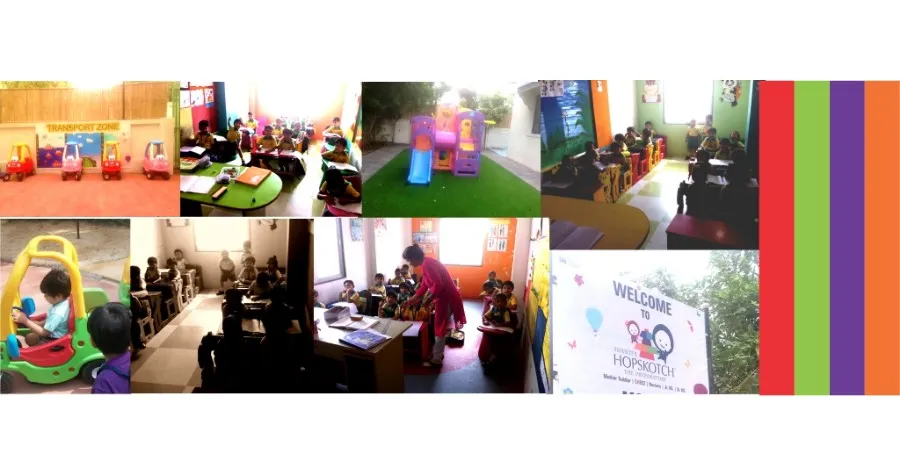
- Multiple classrooms
- Indoor and outdoor activity areas
- Safety-focused design and hygiene standards
Staffing
- Trained teachers
- Support staff and caretakers
- Administrative personnel
The larger footprint supports a premium positioning and broader activity range.
7. Training and Franchise Support
Support systems focus on maintaining consistency in teaching quality and operations.
Franchise partners typically receive:
- Training on curriculum delivery and teaching methods
- Guidance during school setup and launch
- Support in staff training and development
- Tools for administration and communication
- Ongoing operational assistance
These systems help standardize educational outcomes across locations.
8. Revenue Model and ROI Factors
The business operates on a recurring fee-based revenue model.
Primary Revenue Sources
- Admission and enrollment fees
- Tuition fees collected monthly or term-wise
- Activity or program-based charges
Key Revenue Drivers
- Enrollment capacity utilization
- Local demand for premium preschool education
- Parent retention and word-of-mouth referrals
Cost Factors
- Staff salaries
- Facility maintenance
- Educational materials
The expected payback period typically falls within 1–2 years, depending on enrollment growth and operational efficiency.
9. Brand Background and Expansion
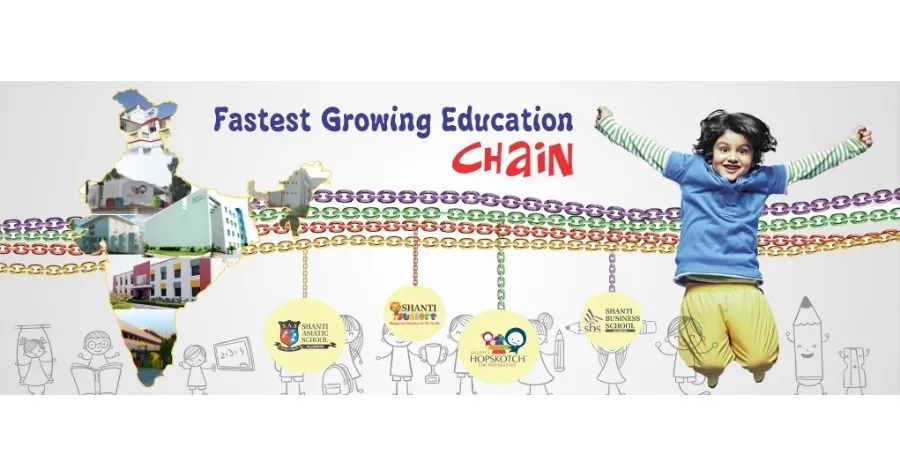
The preschool was launched in 2014 as part of a broader education initiative backed by an established business group. It operates alongside a wider preschool network under related brands, while positioning itself as a premium offering.
Expansion plans focus on increasing presence in urban markets with demand for structured early education.
10. What Makes This Franchise Different
The concept emphasizes a multi-intelligence developmental framework integrated into daily classroom activities, rather than focusing solely on academic readiness. Combined with larger facility requirements and structured parent engagement, the model positions itself as a premium preschool format with a broader developmental scope compared to standard neighborhood preschools.
11. Key Advantages of the Franchise
- Growing demand for early childhood education
- Premium positioning with higher perceived value
- Recurring revenue through fee-based structure
- Structured curriculum and operational systems
- Strong focus on holistic child development
- Scalable model in urban residential markets
12. Who Should Consider This Franchise
This franchise may be suitable for:
- Entrepreneurs interested in the education sector
- Investors targeting premium service-based businesses
- Individuals with experience in schooling or childcare
- Operators willing to manage larger facilities
- Professionals seeking long-term, community-based businesses
Similar Franchise Opportunities
Entrepreneurs exploring preschool franchise options may also consider:
- EuroKids
- Kidzee
- Bachpan Play School
- Hello Kids
- Little Millennium
These brands operate in the same early education segment and provide comparable franchise models for evaluation.


What is the investment required for Shanti’s Hopskotch Preschool franchise?
The investment typically ranges between ?10 lakhs and ?20 lakhs, depending on infrastructure, location, and facility size. This includes classroom setup, equipment, licensing, and initial operational costs. The franchise fee is ?6 lakhs, providing access to brand systems and curriculum.
How does the Shanti’s Hopskotch Preschool franchise operate?
The franchise operates as a preschool delivering structured early education programs. Franchisees manage admissions, staff, and daily school operations while following standardized curriculum and systems. Revenue is generated through student enrollment and recurring tuition fees.
What space is required for the franchise?
A space of approximately 3000 to 5000 square feet is required to establish the preschool. The facility must include classrooms, play areas, and administrative spaces, preferably located in residential areas with a high concentration of families.
How long does it take to recover the investment?
The expected payback period is typically between 1 to 2 years. This depends on enrollment levels, pricing strategy, and operational efficiency. Higher occupancy and effective cost management can help achieve faster returns.
How can investors apply for the franchise?
Investors can apply by contacting the brand’s franchise team and submitting their business details. The process usually involves location evaluation, agreement signing, setup planning, and training before launching the preschool operations. ## Similar Franchise Opportunities
