



Shantilal’S Foods Ventures Franchise
Brand & Franchise Snapshot
| Brand Name | Shantilal’s Foods Ventures |
|---|---|
| Industry | Food & Beverage / QSR & Casual Dining |
| Business Category | Multi-Category Food Chain (Sweets, QSR, Bakery, Catering) |
| Founded Year | 2020 |
| Franchise Started Year | 2024 |
| Total Franchise Outlets | 1–10 |
| Estimated Investment | ?50 Lakhs – ?1 Crore |
| Franchise Fee | ?10 Lakhs |
| Royalty Fee | Typically structured as a percentage of revenue in food franchise systems |
| Space Requirement | 400 – 500 sq.ft. (compact format) |
| Staff Requirement | Kitchen staff, service team, and operations manager |
| Expected Payback Period | 1–2 years |
1. What is Shantilal’s Foods Ventures?
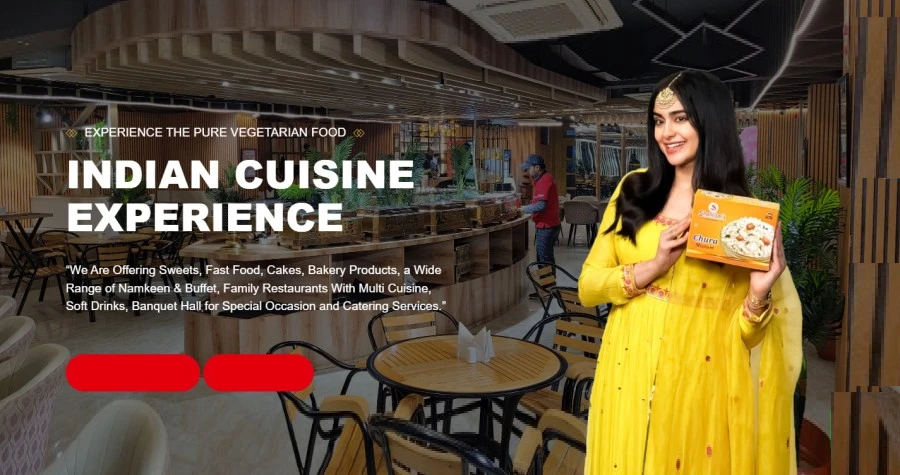
Shantilal’s Foods Ventures is a food service franchise operating in the quick service and multi-cuisine dining segment. It combines multiple food categories—including sweets, fast food, bakery products, snacks, and catering—within a single business model, serving both everyday consumers and event-based customers.
2. How the Business Works
The business operates as a hybrid food service model integrating retail sales, quick service, and event-based catering.
Customers interact with the outlet through walk-in purchases, takeaway orders, or dining services depending on the format. The operational workflow includes food preparation across multiple categories, display and retail sales, and order fulfillment.
Revenue streams include:
- Counter sales of sweets, snacks, and bakery items
- Quick service food orders
- Bulk orders for events and celebrations
- Catering and banquet-related services
This diversified model allows revenue generation from both daily consumption and occasional large orders.
3. Products or Services Offered
The brand operates across several food categories:
Core Retail Products
- Traditional sweets and confectionery
- Namkeen and savory snacks
Quick Service Offerings
- Fast food items for takeaway or dine-in
Bakery Segment
- Cakes, pastries, cookies, and breads
Dining Services
- Multi-cuisine meals through family dining setups
Event-Based Services
- Catering for social and corporate events
- Banquet and celebration services
Beverages
- Soft drinks and complementary beverages
This broad portfolio allows outlets to cater to multiple consumption occasions.
4. Franchise Structure and Operating Model
The franchise follows a multi-format food operations structure.
Franchisee Responsibilities
- Managing daily outlet operations
- Overseeing food preparation and quality control
- Handling staff and inventory
- Managing local sales, including bulk and event orders
Franchisor Role
- Providing product recipes and preparation systems
- Offering brand identity and operational guidelines
- Supporting setup and initial launch
The model requires coordination across multiple product categories, making operational discipline important.
5. Franchise Cost and Investment
The investment aligns with mid-to-large scale food businesses.
Investment Overview
- ?50 lakhs to ?1 crore depending on scale and offerings
- ?10 lakhs franchise fee for brand access
Key Cost Components
- Kitchen equipment for multiple product lines
- Interior setup and display counters
- Inventory for sweets, bakery, and fast food
- Licensing and compliance
- Staff hiring and training
In food franchises, royalty fees generally represent ongoing payments for brand usage, supply systems, and operational support.
6. Space and Setup Requirements
The setup is designed for compact yet multi-functional operations.
Space Requirements
- 400 to 500 sq.ft. for standard outlets
Location Preferences
- High-footfall commercial areas
- Markets with strong takeaway and retail demand
Infrastructure Needs
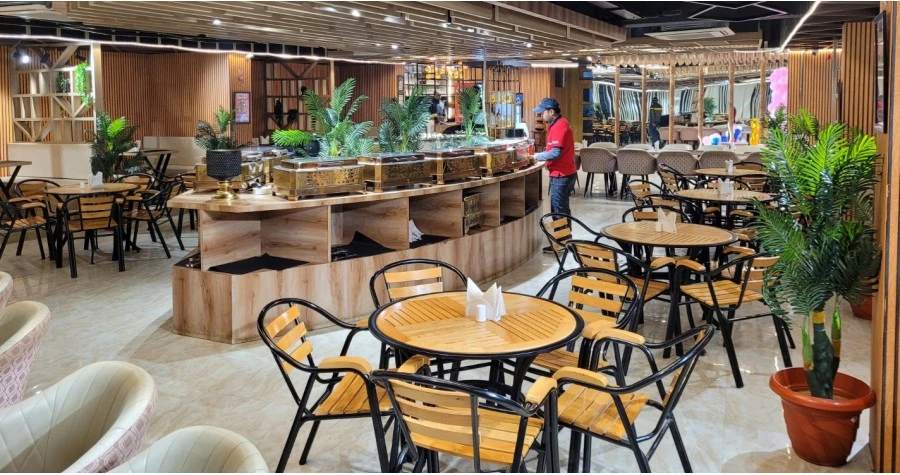
- Multi-section kitchen setup
- Display counters for sweets and bakery
- Storage and preparation zones
Staffing
- Skilled kitchen staff
- Counter sales personnel
- Support staff for operations
Efficient space utilization is essential due to the variety of offerings.
7. Training and Franchise Support
Support systems focus on operational consistency across categories.
Typical support includes:
- Training on food preparation across product lines
- Guidance during outlet setup
- Assistance in maintaining quality and hygiene standards
- Operational support during initial stages
This helps franchisees manage the complexity of a multi-category food business.
8. Revenue Model and ROI Factors
Revenue is generated through multiple channels, increasing business resilience.
Primary Revenue Streams
- Retail sales of sweets and snacks
- Fast food and quick service orders
- Bakery product sales
- Bulk and event-based orders
Key Revenue Drivers
- Festival and seasonal demand
- Daily consumption of snacks and meals
- Event catering opportunities
Cost Considerations
- Raw material and ingredient costs
- Staff salaries
- Rent and utilities
The diversified revenue structure supports steady income, with payback typically targeted within 1–2 years depending on execution.
9. Brand Background and Expansion
The business began operations in 2020 and entered franchising in 2024. It represents an early-stage franchise network with plans for expansion across multiple regions.
Growth strategy includes scaling through standardized outlets while leveraging demand across both retail food and event services.
10. What Makes This Franchise Different
The concept integrates retail food sales, quick service operations, and event-based catering within a single outlet model. Unlike typical QSR franchises that rely only on fast food, this structure allows operators to balance daily cash flow from retail sales with higher-value bulk orders, improving revenue diversification.
11. Key Advantages of the Franchise
- Multiple revenue streams across food categories
- Strong demand for sweets, snacks, and fast food
- Ability to capture both daily and event-based sales
- Scalable across different market locations
- Diversified product mix reducing dependency on a single category
- Potential for repeat and seasonal demand
12. Who Should Consider This Franchise
This franchise may suit:
- Entrepreneurs interested in multi-category food businesses
- Investors with mid-to-high capital for food ventures
- Operators with experience in food retail or catering
- Business owners targeting both retail and event markets
- Individuals seeking diversified revenue models
Similar Franchise Opportunities
Investors evaluating similar food franchise models may also consider:
- Haldiram’s
- Bikanervala
- Giani’s
- Wow! Momo
- Monginis
These brands operate in overlapping segments such as sweets, quick service food, and bakery, offering comparable franchise opportunities for evaluation.
What is the investment required for Shantilal’s Foods Ventures franchise?
The investment typically ranges between ?50 lakhs and ?1 crore depending on the scale of operations and product categories included. This covers kitchen setup, interiors, inventory, and operational readiness, along with a franchise fee of ?10 lakhs.
How does the Shantilal’s Foods Ventures franchise business operate?
The business operates through a combination of retail sales, quick service food, and catering services. Franchisees manage daily operations, including food production and sales, while also handling bulk orders and event catering opportunities to generate additional revenue.
What space is required for the franchise?
A space of approximately 400 to 500 square feet is typically required for a standard outlet. The layout must accommodate kitchen operations, display counters, and storage, preferably in high-footfall commercial areas to maximize customer reach.
How long does it take to recover the investment?
The expected payback period is generally between 1 to 2 years. This depends on location performance, product demand, operational efficiency, and the ability to generate both retail and bulk order revenue consistently.
How can investors apply for the franchise?
Investors can apply by contacting the brand’s franchise team and submitting their business details. The process usually involves evaluation of the proposed location, agreement formalities, setup planning, and training before launching operations. ## Similar Franchise Opportunities
