


Seoul In Town Franchise
Brand & Franchise Snapshot
| Brand Name | Seoul In Town |
|---|---|
| Industry / Business Category | Food & Beverage / Quick Service Restaurant (QSR) |
| Founded Year | 2024 |
|---|---|
| Franchise Started Year | 2025 |
| Total Franchise Outlets | 1–10 |
| Estimated Investment | INR 5 Lakh – 10 Lakh |
|---|---|
| Franchise Fee | INR 2,00,000 |
| Royalty Fee | 5% |
| Space Requirement | 100 – 200 sq.ft |
| Staff Requirement | Typically 3–6 staff depending on format |
| Expected Payback Period | 5–6 Months |
1. What is Seoul In Town?
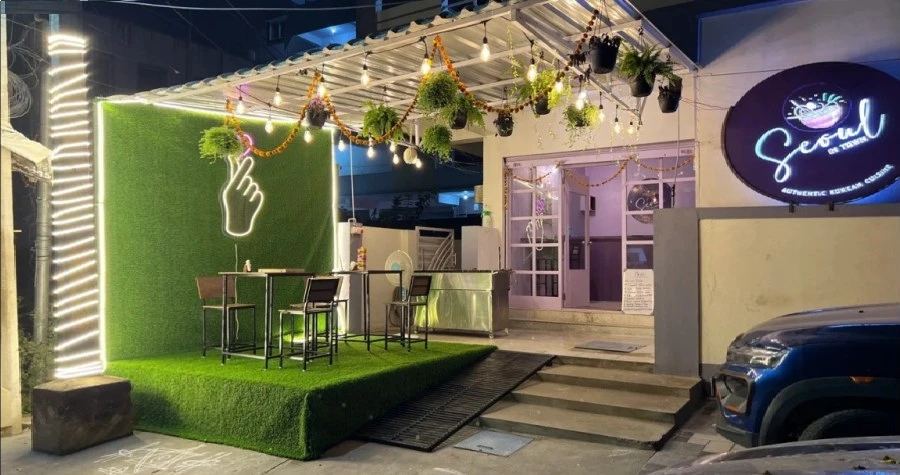
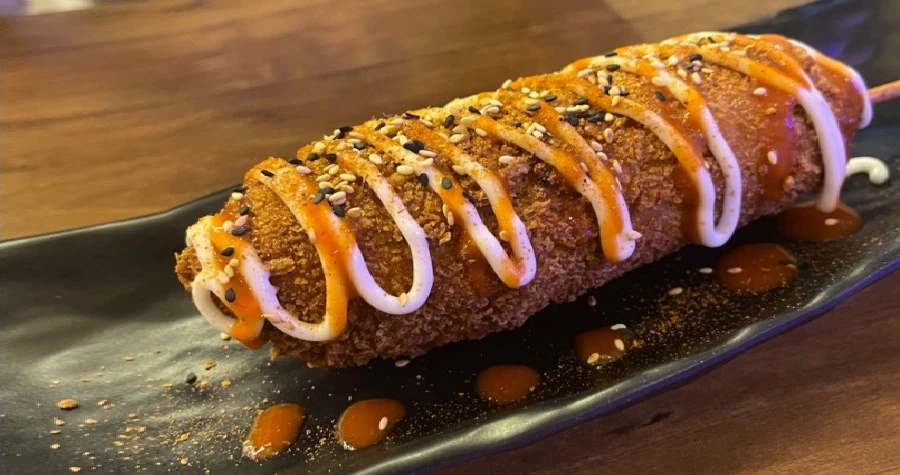
Seoul In Town operates in the quick service restaurant segment, focusing on Korean cuisine and beverage offerings such as boba drinks. It delivers a compact, fast-service dining experience centered around Korean street food, comfort meals, and beverages, making it part of the international cuisine QSR franchise category.
The concept targets urban consumers, younger audiences, and customers interested in global food trends, particularly Korean cuisine.
2. How the Business Works
The business follows a small-format QSR model optimized for quick service and high turnover.
Customer journey
- Customers order at the counter or via delivery platforms
- Orders are prepared using pre-standardized recipes and ingredient systems
- Food is served quickly for dine-in, takeaway, or delivery
Operational workflow
- Ingredient preparation and portion control
- Assembly-based cooking for fast service
- Beverage preparation (boba drinks and specialty beverages)
- Order management via POS and online delivery integrations
Revenue is generated through food sales, beverages, and delivery orders.
3. Products or Services Offered
Primary offerings include
| Korean Main Dishes | Bibimbap, bulgogi, kimchi-based meals |
|---|---|
| Street Food Items | Tteokbokki, Korean fried chicken, snack items |
| Stews and Comfort Foods | Kimchi jjigae and similar dishes |
| Boba and Beverages | Milk teas, fruit-based drinks, Korean-inspired beverages |
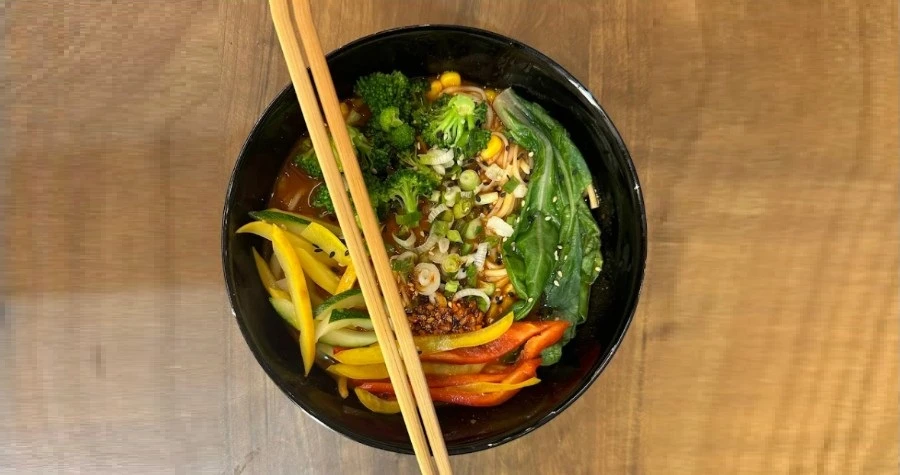
| Vegetarian Options | Plant-based variations of traditional Korean dishes |
The menu combines traditional recipes with formats suitable for quick service and delivery.
4. Franchise Structure and Operating Model
The franchise model is designed for compact outlets with standardized operations.
Franchise partner responsibilities
- Manage daily outlet operations and staff
- Ensure adherence to recipes and quality standards
- Handle customer service and local marketing execution
Franchisor responsibilities
- Provide menu systems, recipes, and sourcing guidance
- Assist in outlet setup and branding
- Offer operational and marketing support
The system is structured to maintain consistency while enabling scalable expansion.
5. Franchise Cost and Investment
The investment falls within the lower to mid-range QSR category, making it accessible for small retail investors.
Cost components include
- Franchise or brand licensing fee
- Kitchen equipment and small-format setup
- Interior branding and signage
- Initial inventory and working capital
Royalty is typically charged as a percentage of revenue and supports brand development, operational systems, and supply chain coordination.
6. Space and Setup Requirements
Infrastructure requirements
- 100–200 sq.ft compact retail space
- Locations such as kiosks, food courts, or high-footfall streets
- Basic kitchen setup for fast food preparation
- Beverage station for boba and drinks
The format supports both takeaway-focused and limited dine-in operations.
7. Training and Franchise Support
Franchise partners are supported with operational systems to maintain consistency.
Support typically includes
- Food preparation and beverage training
- Setup and layout guidance for small-format outlets
- Vendor and ingredient sourcing support
- Marketing and promotional assistance
- Ongoing operational monitoring
These systems help standardize output and reduce execution variability.
8. Revenue Model and ROI Factors
Revenue is driven by a combination of food and beverage sales.
Key drivers include
- Rising popularity of Korean cuisine and culture
- Strong demand for quick-service formats
- Beverage add-ons increasing average order value
- Delivery platform integration expanding reach
The compact model reduces overhead costs, supporting a relatively short payback period of around 5–6 months under efficient operations.
9. Brand Background and Expansion
Seoul In Town was established in 2024 with a focus on Korean cuisine. The franchise model was introduced in 2025 to enable expansion into urban and semi-urban markets. Growth is expected to focus on high-density locations with strong demand for global QSR formats.
10. What Makes This Franchise Different
The concept combines Korean food and boba beverages within a compact QSR format, which differs from traditional full-service restaurants. The dual revenue stream—food and beverages—improves unit economics, while the small space requirement allows entry into locations where larger restaurants may not be viable.
11. Key Advantages of the Franchise
- Growing consumer interest in Korean cuisine and culture
- Compact store format reduces rental and setup costs
- Beverage category increases per-customer spending
- Delivery-friendly menu supports off-premise sales
- Structured operational model for scalability
12. Who Should Consider This Franchise
This franchise is suitable for:
- First-time entrepreneurs entering the food business
- Small retail investors seeking low to mid investment opportunities
- Operators looking for kiosk or compact QSR formats
- Entrepreneurs interested in trending international cuisine concepts
Similar Franchise Opportunities
Investors evaluating Seoul In Town may also consider:
- Wow! Momo
- Burger King
- Subway
- Haldiram’s
- KFC
These brands operate within the quick service and casual dining segment and offer comparable franchise formats for investors exploring food retail opportunities.
What is the investment required for Seoul In Town franchise?
The investment typically ranges between INR 5 Lakh and 10 Lakh. This includes franchise fees, equipment, interior setup, and initial working capital required to start operations in a compact QSR format.
How does the Seoul In Town franchise business operate?
The business operates as a quick service restaurant offering Korean dishes and beverages. Customers order at the outlet or online, and food is prepared using standardized processes for fast delivery and consistent quality.
What space is required for the franchise?
A compact area of around 100 to 200 sq.ft is sufficient. Locations such as kiosks, food courts, or high-footfall commercial areas are typically suitable for this format.
How long does it take to recover the investment?
The expected payback period is approximately 5–6 months, depending on factors such as location, demand, and operational efficiency.
How can investors apply for the franchise?
Investors can apply by contacting the brand, completing evaluation procedures, and proceeding with outlet setup, training, and launch under the franchisor’s system. ## Similar Franchise Opportunities
