



Sec2Pay Franchise
1. Brand & Franchise Snapshot
| Brand Name | Sec2Pay |
|---|---|
| Industry | Financial Services / FinTech |
| Business Category | Digital Payment & Assisted Banking Franchise |
| Founded Year | 2013 |
| Franchise Started | Developed as part of network expansion in financial service distribution |
| Total Franchise Outlets | 20–50 |
| Estimated Investment | INR 10,000 – 50,000 |
| Franchise Fee | Typically covers onboarding, platform access, and brand usage rights |
| Royalty Fee | Often structured as a share of transaction commissions or service margins |
| Space Requirement | Small kiosk or retail desk setup; generally minimal space needed |
| Staff Requirement | 1–2 operators for transaction handling and customer support |
| Expected Payback Period | Dependent on transaction volume and service usage levels |
Understanding the Brand
Sec2Pay operates in the digital payments and assisted banking segment, providing financial transaction services through a combination of technology platforms and physical access points. The business enables users to perform payments, transfers, and basic banking activities through a simplified interface.
It belongs to the broader fintech-enabled franchise category, where local operators act as service points for digital and cash-based financial transactions, catering to both urban and underserved rural populations.
2. Operating Concept
The model functions as a transaction service point where customers access financial services either digitally or through assisted interaction.
Customers visit the outlet or use supported systems to perform activities such as bill payments, money transfers, and other financial transactions. The franchise operator facilitates these services through a centralized digital platform.
Daily operations include:
- Processing customer transactions
- Managing digital payment interfaces
- Handling cash-in and cash-out services
- Assisting users with financial service queries
Revenue is generated through commissions earned on each transaction processed through the platform.
3. Products or Service Categories
Franchise outlets typically provide a range of financial services:
| Utility Bill Payments | Electricity, water, and telecom payments |
|---|---|
| Money Transfer Services | Domestic remittances and fund transfers |
| Cash Services | Deposits and withdrawals through assisted systems |
| Recharge Services | Mobile and DTH recharges |
| Basic Financial Services | Access to banking-related facilities and government-linked services |
The service portfolio is designed to address everyday financial needs.
4. Franchise Partnership Structure
The franchise model is designed as a decentralized financial service network.
Key aspects include:
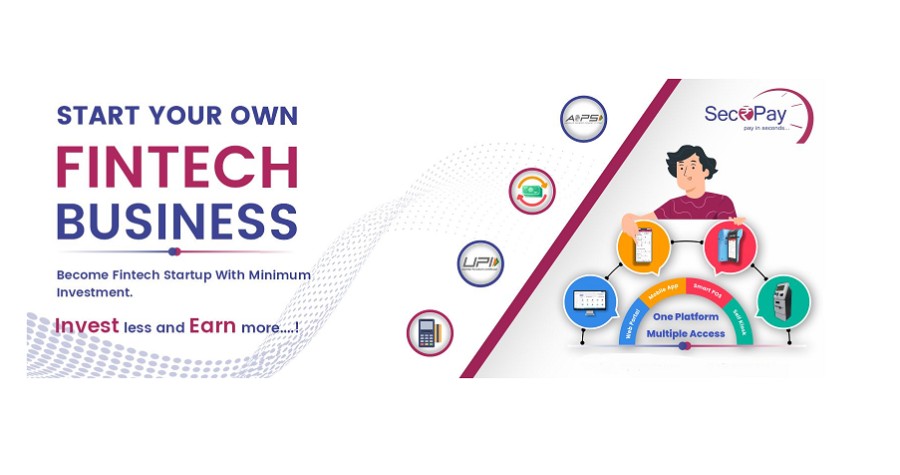
- Franchisees operate local service points using the Sec2Pay platform
- The franchisor provides access to technology, service integrations, and operational guidelines
- Partners manage customer interactions and transaction processing
- Standardized systems ensure consistency in service delivery
The structure enables wide geographic reach through small, locally managed outlets.
5. Investment and Startup Costs
The business requires relatively low initial investment, making it accessible to a wide range of entrepreneurs.
| Total Investment | Falls within a low-entry range as indicated in the snapshot |
|---|---|
| Franchise Fee | Covers platform access and onboarding |
| Setup Costs | Basic infrastructure such as a computer, internet connection, and branding |
| Working Capital | Required for handling cash transactions |
| Revenue Share | Commission-based earnings on services processed |
This structure supports quick setup and minimal financial risk compared to traditional businesses.
6. Outlet Setup Requirements
The franchise can operate from a compact setup.
Key requirements include
Area: Small counter, kiosk, or shared retail space
Location Preference: High footfall areas, local markets, or rural centers with limited banking access
Infrastructure
- Computer or smart device
- Internet connectivity
- Basic transaction handling setup
Staffing
- 1–2 individuals for customer service and operations
The setup is designed for accessibility and ease of operation.
7. Franchise Support Systems
Franchise partners receive support to manage operations and service delivery.
Support may include:
| Technical Training | Use of payment platforms and transaction systems |
|---|---|
| Onboarding Assistance | Setup and activation of service points |
| System Access | Integration with multiple financial service providers |
| Operational Guidance | Handling transactions and customer queries |
| Ongoing Updates | Platform improvements and service additions |
These systems enable franchisees to operate efficiently with limited prior experience in fintech.
8. Revenue Model and Profit Considerations
Income is generated through commissions on transactions processed at the outlet.
Key drivers include
| Transaction Volume | Higher usage leads to increased earnings |
|---|---|
| Service Diversity | Multiple services increase customer visits |
| Location Demand | Areas with limited banking access often generate consistent activity |
| Repeat Usage | Customers return for regular payments and transfers |
Operating costs remain low, primarily involving connectivity, minimal rent, and working capital.
9. Brand Background and Growth
Sec2Pay was established in 2013 with a focus on expanding access to digital and assisted financial services. The franchise network has grown to multiple locations, reflecting adoption in both urban and rural markets.
Expansion efforts are centered on:
- Increasing service points in underserved regions
- Expanding financial service offerings
- Strengthening technology infrastructure for transaction processing
10. What Makes This Franchise Different
The model combines digital payment infrastructure with physical access points, enabling users without direct banking access to perform transactions. This hybrid approach allows franchisees to serve both tech-enabled users and customers requiring assisted services.
Advantages of the Franchise
- Low investment entry compared to financial service businesses
- Growing demand for digital payments and assisted banking
- Scalable model across urban and rural locations
- Recurring customer usage due to essential services
- Commission-based income with multiple service streams
11. Who Should Consider This Franchise
This opportunity may suit:
- First-time entrepreneurs entering the fintech sector
- Small retail operators looking to add financial services
- Individuals in rural or semi-urban areas with limited banking access
- Investors seeking low-cost, service-based businesses
- Entrepreneurs comfortable handling customer transactions and cash flow
13. Similar Franchise Opportunities
Investors evaluating this concept may also consider:
- PayNearby
- Spice Money
- Fino Payments Bank
- Oxigen Services
- Eko India Financial Services
These businesses operate within the assisted digital payments and fintech distribution segment, offering comparable service-based franchise opportunities.
Accepting franchise applications in 9 states & UTs

What investment is required for Sec2Pay franchise?
The investment typically falls within a low-cost range, covering basic setup such as a computer system, internet connectivity, branding, and working capital for transaction handling. This makes it accessible for individuals seeking entry into the financial services sector.
How does the Sec2Pay franchise operate?
The franchise operates as a service point where customers perform digital payments and banking-related transactions. The operator uses a centralized platform to process payments, transfers, and recharges while assisting customers throughout the process.
What space is required to start the franchise?
The business can operate from a small kiosk or shared retail space. A compact setup is sufficient to handle transactions, making it suitable for markets, local shops, or areas with high customer movement.
How long does it take to recover the investment?
The payback period depends on transaction volume and customer demand. With consistent usage and a suitable location, the low investment structure allows relatively quick recovery compared to traditional retail businesses.
How can investors apply for the franchise?
Investors typically apply by contacting the brand’s onboarding team, completing registration, and activating their service account. The process involves verification, setup, and training before the outlet becomes operational. ## 13. Similar Franchise Opportunities
