



Sangeeta Dabeli Franchise
1. Brand & Franchise Snapshot
| Brand Name | Sangeeta Dabeli |
|---|---|
| Industry | Quick Service Restaurants |
| Business Category | Vegetarian Street Food |
| Founded Year | 2009 |
| Franchise Started | 2023 |
| Total Franchise Outlets | 1–10 |
| Estimated Investment | INR 5–10 Lakhs |
| Franchise Fee | Typically a one-time fee granting brand usage and onboarding support |
| Royalty Fee | Usually an ongoing percentage of revenue paid to the franchisor |
| Space Requirement | 400–600 sq. ft. |
| Staff Requirement | Small team for cooking, assembly, and service |
| Expected Payback Period | 1–2 Years |
Understanding the Brand
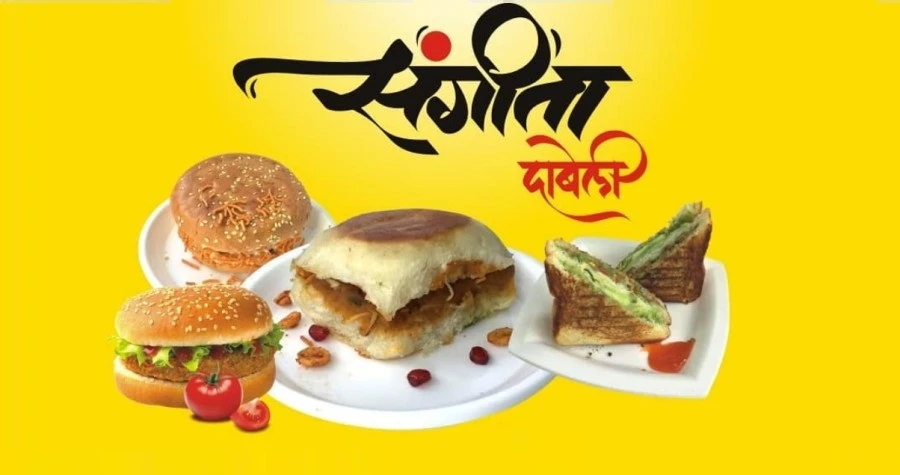
Sangeeta Dabeli operates within the quick service restaurant sector, offering vegetarian Indian street food such as Dabeli, shev pav, vada pav, sandwiches, and burgers. The concept emphasizes fast, affordable, and flavorful meals targeting students, families, and casual diners. It belongs to the broader Indian street food franchise category, focusing on compact, high-turnover outlets.
2. Operating Concept
The business functions through compact outlets where customers order and receive freshly prepared street-style meals. Daily operations involve:
- Cooking and assembling signature dishes
- Serving dine-in, takeaway, and delivery orders
- Managing inventory and quality control
- Generating revenue through high-frequency, low-cost menu items
Operational workflow prioritizes speed, consistency, and adherence to brand standards.
3. Products or Service Categories
Franchise outlets generally offer:
| Signature Dabeli | Spiced mashed potatoes with chutneys, peanuts, and pomegranate in toasted pav |
|---|---|
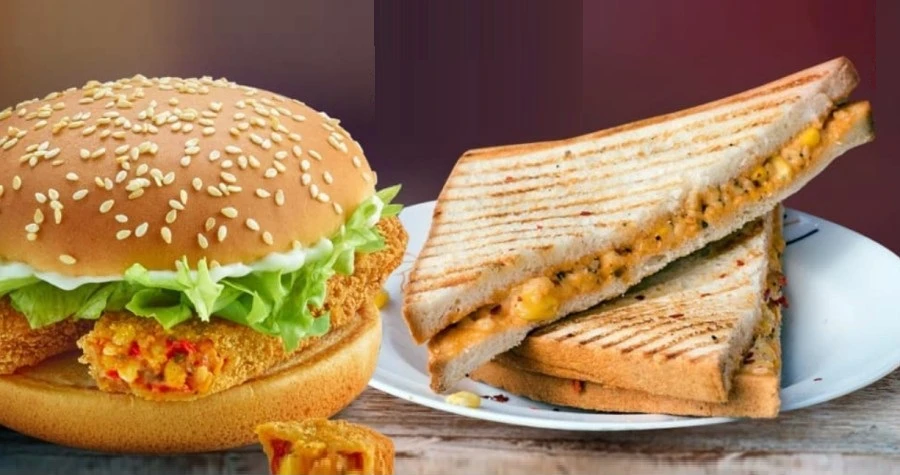
| Loaded Sandwiches | Vegetarian grilled or cold sandwiches with vegetables, cheese, and chutneys |
| Indian-Style Burgers | Spicy vegetarian burgers with aloo tikki and masala sauces |
| Shev Pav & Vada Pav | Fried vadas, crunchy shev, and pav with spicy chutneys |
| Coolers & Beverages | Masala soda, chaas, cold coffee, and fruit juices |
The menu supports repeat purchases and quick consumption.
4. Franchise Partnership Structure
The franchise model is designed for owner-operated or semi-managed outlets.
Key aspects include:
- Franchisees operate outlets under the established brand identity
- Franchisor provides operational guidelines, recipes, and standards
- Franchise partners manage day-to-day operations, staffing, and local marketing
- Standardization is maintained through defined processes and supply chains
The relationship focuses on consistent quality and operational efficiency.
5. Investment and Startup Costs
Starting a franchise requires capital allocation across:
| Total Investment | INR 5–10 Lakhs covering setup and launch |
|---|---|
| Franchise Fee | Grants brand rights and onboarding support |
| Infrastructure Setup | Kitchen equipment, furniture, and signage |
| Pre-Opening Costs | Licensing, initial inventory, and staffing |
| Royalty Payments | Ongoing fees tied to revenue |
Investment reflects a small-scale urban fast food outlet.
6. Outlet Setup Requirements
Key requirements include:
| Area | 400–600 sq. ft. for kitchen and service operations |
|---|---|
| Location Preference | High-footfall areas such as near colleges or shopping zones |
| Infrastructure | — |
- Compact kitchen with prep stations
- Counter or small seating arrangement
- Storage and refrigeration equipment
- Staffing:
- Small team for cooking and service
- Basic management oversight
Space and layout support high-turnover operations.
7. Franchise Support Systems
Franchise partners receive structured support including:
| Operational Training | Food preparation, assembly, and service processes |
|---|---|
| Setup Assistance | Outlet layout planning and launch guidance |
| Branding Guidelines | Standardized visual identity and menu execution |
| Supply Chain Support | Access to key ingredients |
| Ongoing Advisory | Operational troubleshooting and performance guidance |
Support reduces entry barriers for new operators.
8. Revenue Model and Profit Drivers
Revenue is generated through sale of fast-moving vegetarian menu items.
Key drivers include
| Average Order Value | Influenced by menu combinations and add-ons |
|---|---|
| Customer Footfall | Driven by location and brand recognition |
| Repeat Visits | Encouraged through consistent taste and quick service |
| Operational Costs | Staff, ingredients, utilities, rent, and royalties |
Expected payback period of 1–2 years reflects moderate capital recovery timelines.
9. Brand Background and Expansion
The brand was established in 2009 and franchising began in 2023. The network currently includes 1–10 outlets. Expansion focuses on:
- Compact, high-footfall urban locations
- Standardized outlet operations
- Maintaining brand recognition through consistent food quality
Geographic presence is concentrated in Indian cities with urban consumer demand.
10. What Makes This Franchise Different
Sangeeta Dabeli integrates authentic Indian street food into a structured QSR format. The focus is on vegetarian options, affordability, and quick service. Unlike conventional restaurants, it emphasizes high-frequency sales and compact urban outlet design.
Advantages of the Franchise
- Affordable entry-level investment
- Quick service and repeat customer potential
- Scalable across small urban locations
- Operational support from franchisor
- Focused vegetarian street food concept
11. Who Should Consider This Franchise
This opportunity may suit:
- First-time entrepreneurs entering the food service sector
- Investors seeking a small-scale, urban fast food business
- Operators experienced in quick service or retail food
- Individuals targeting high-footfall locations with low overhead
13. Similar Franchise Opportunities
Investors evaluating this concept may also consider:
- Jumbo King
- Wow! Momo
- Haldiram’s Quick Service
- Goli Vada Pav
- Bikanervala
These brands operate within the vegetarian quick service restaurant segment with comparable operational and investment models.

What investment is required for Sangeeta Dabeli franchise?
Total investment ranges from INR 5–10 Lakhs, including setup, equipment, inventory, and franchise fees. Costs depend on outlet size, location, and infrastructure requirements.
How does the Sangeeta Dabeli franchise operate?
Franchisees manage daily operations, preparing vegetarian street food for dine-in, takeaway, and delivery. Tasks include cooking, assembly, service, inventory management, and adherence to brand standards.
What space is required to start the franchise?
Outlets require 400–600 sq. ft., ideally in high-footfall urban locations such as near colleges, shopping centers, or busy streets.
How long does it take to recover the investment?
The expected payback period is 1–2 years, depending on sales volume, location, and operational efficiency.
How can investors apply for the franchise?
Investors can submit an application through the brand’s franchise channels, followed by evaluation, discussion of location and investment capacity, and onboarding by the franchisor. ## 13. Similar Franchise Opportunities
