

Samosa Junction Franchise
1. Brand & Franchise Snapshot
| Brand Name | Samosa Junction |
|---|---|
| Industry | Food & Beverage |
| Business Category | Quick Service Restaurant |
| Founded Year | 2009 |
| Franchise Started | 2010 |
| Total Franchise Outlets | 1–10 |
| Estimated Investment | INR 2–5 Lakh |
| Franchise Fee | INR 3,50,000 |
| Royalty Fee | 3% of revenue |
| Space Requirement | 200–500 sq. ft. |
| Staff Requirement | Small team for kitchen and service operations |
| Expected Payback Period | 1–2 years |
Understanding the Brand
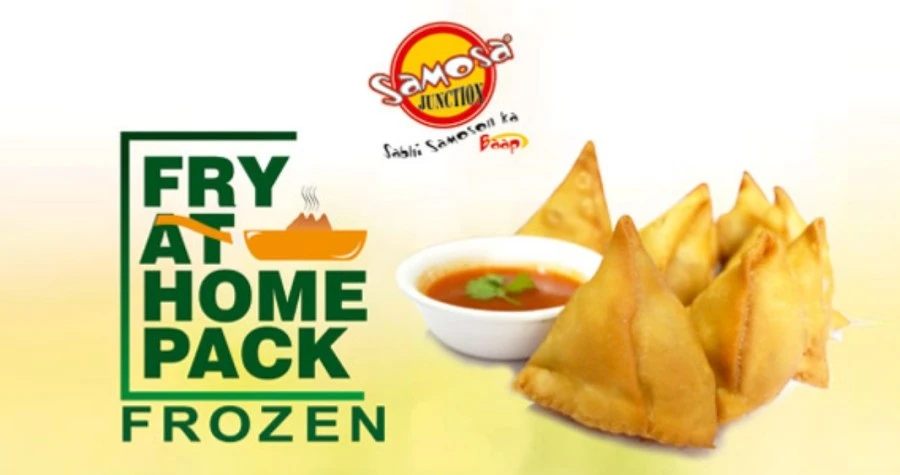
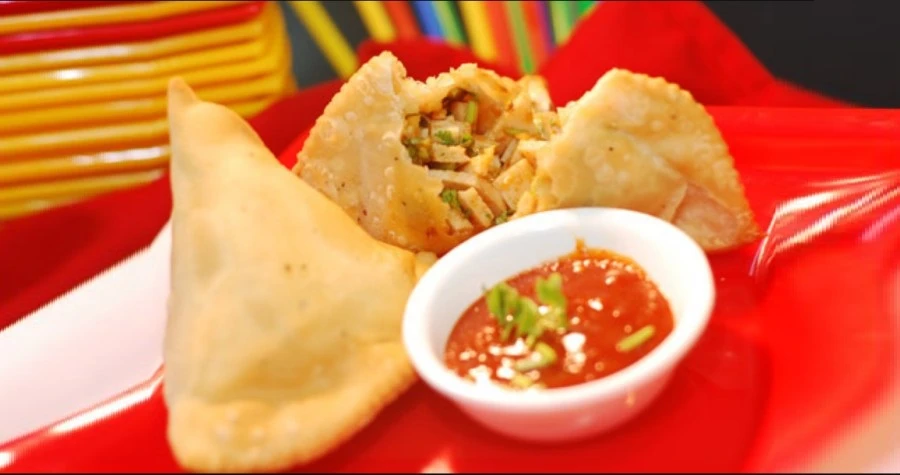
Samosa Junction is a quick-service restaurant chain focused on Indian snacks, particularly samosas. It operates in the QSR segment with a menu targeting customers seeking fast, hygienic, and flavorful snack options. The brand falls under the broader small-format snack café category, emphasizing standardized preparation and consistent customer experience.
2. Operating Concept
Outlets function as fast-service snack cafes where customers order at the counter or through delivery partners. Daily operations include snack preparation, frying in refined oil, packaging, and serving. Revenue is generated through direct sales, combo deals, and seasonal menu offerings. The workflow is designed for efficiency, minimal staffing, and high customer turnover.
3. Products or Service Categories
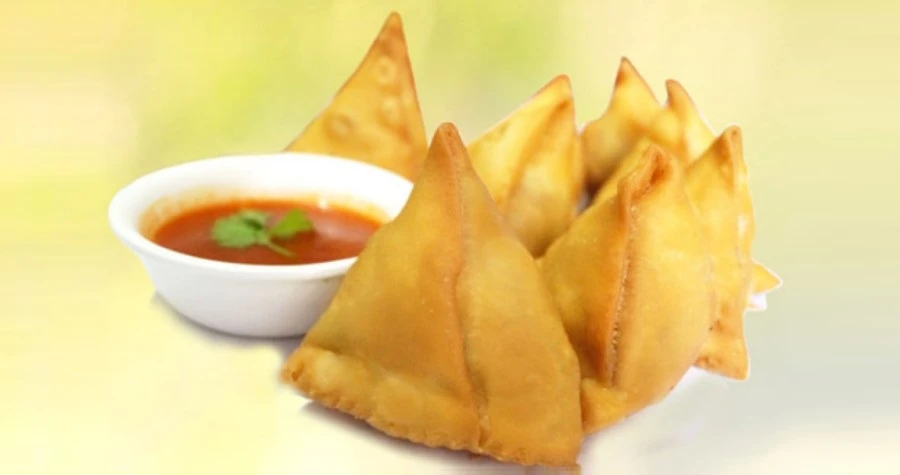
| Vegetarian Samosas | Aloo, Cheese Corn, Paneer Tikka, Chole Masala, Spinach & Cheese |
|---|---|
| Non-Vegetarian Samosas | Chicken Keema, Mutton Masala, Egg Bhurji |
| Complementary Snacks | Burgers, Chicken Nuggets, Rolls, Fries |
| Beverages | Tea, coffee, or other accompaniments based on location |
| Menu Strategy | Affordable, quick-serve, and health-conscious options using refined oil |
4. Franchise Partnership Structure
Franchisees operate outlets under the Samosa Junction brand, managing kitchen preparation, service, and delivery orders. The franchisor provides operational manuals, standardized recipes, training, and marketing guidance. Outlets maintain brand standards for quality, hygiene, and service to ensure consistent customer experience across locations.
5. Investment and Startup Costs
| Initial Investment | INR 2–5 Lakh, covering kitchen setup, counters, and initial inventory |
|---|---|
| Franchise Fee | INR 3,50,000, includes brand licensing and training |
| Setup Costs | Equipment, point-of-sale systems, initial stock, décor |
| Royalty Payments | 3% of revenue, typical for QSR franchises |
| Operational Costs | Staff salaries, utilities, consumables, local marketing |
6. Outlet Setup and Infrastructure
| Space | 200–500 sq. ft., suitable for small cafes or kiosk-style outlets |
|---|---|
| Location Preferences | High-footfall areas, commercial centers, educational campuses |
| Equipment Needs | Fryers, counters, storage, POS system |
| Staffing Considerations | Small team sufficient for kitchen operations and service |
7. Franchise Support Systems
| Training | Standardized kitchen operations, service protocols, and hygiene practices |
|---|---|
| Launch Assistance | Guidance on outlet setup and vendor sourcing |
| Marketing Support | Promotional campaigns, social media guidance, loyalty programs |
| Operational Oversight | Quality assurance and performance monitoring |
| Menu Standardization | Recipes and cooking methods for consistency across outlets |
8. Revenue Model and Profit Drivers
Revenue comes primarily from in-store and delivery sales. Key drivers include repeat purchases, combo deals, and seasonal specials. Operational costs include ingredients, utilities, and staff salaries. The small-format model allows for rapid turnover, and payback is estimated at 1–2 years depending on location and customer traffic.
9. Brand Background and Expansion
Samosa Junction was established in 2009 as an initiative under TGB Bakers and Confectioners. Franchising began in 2010. The current network targets 1–10 outlets, with focus on urban and semi-urban expansion. The brand emphasizes standardized snack preparation, hygiene, and customer-centric service.
10. What Makes This Franchise Different
The franchise standardizes preparation of traditional and fusion snacks in a QSR format with health-conscious practices. Its menu variety, small-format investment model, and streamlined operations distinguish it from typical street snack vendors.
Advantages of the Franchise
- Strong appeal of traditional and fusion snacks across demographics
- Affordable investment with low operational complexity
- High potential for repeat business with combo deals and seasonal offerings
- Centralized operational support and training
- Scalable for urban, semi-urban, and campus locations
11. Who Should Consider This Franchise
- First-time food entrepreneurs seeking low-risk, small-scale QSR ventures
- Existing small café or snack operators aiming to diversify menu offerings
- Investors targeting high-footfall areas such as colleges, offices, and commercial zones
- Individuals interested in standardized operations with minimal staffing needs
13. Similar Franchise Opportunities
- Samosa Company – Quick-service snack outlets
- Tea Trails – Tea and light snack cafés
- Chai Point – Beverage-focused QSR with snack options
- Café Coffee Day – Coffee and snack chain
- Chaayos – Tea cafés with small-format QSR operations
These franchises operate in similar snack and quick-service formats suitable for investors evaluating small-scale F&B opportunities.
Accepting franchise applications in 7 states & UTs
What is the investment required for Samosa Junction franchise?
Investment ranges from INR 2–5 Lakh, covering setup, equipment, initial inventory, and franchise fee. Operational costs include staffing, utilities, and local marketing. Payback is expected within 1–2 years based on location and sales performance.
How does the Samosa Junction franchise operate?
Franchisees manage snack preparation, service, and delivery. Operations follow standardized recipes, hygiene protocols, and customer service guidelines provided by the franchisor.
What space is required to start the franchise?
Outlets need 200–500 sq. ft., suitable for kiosks, small cafes, or fast-food counters.
How long does it take to recover the investment?
Payback is estimated between 1–2 years, depending on operational efficiency and customer traffic.
How can investors apply for the franchise?
Interested parties submit an application for review, followed by approval based on financial readiness, location suitability, and operational capability, then a franchise agreement is signed. ## 13. Similar Franchise Opportunities
