



Saaki Franchise
1. What is Saaki?
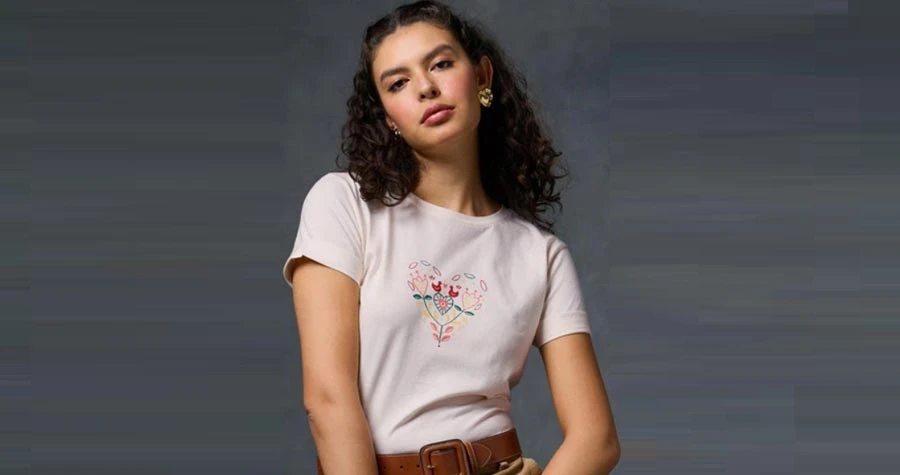
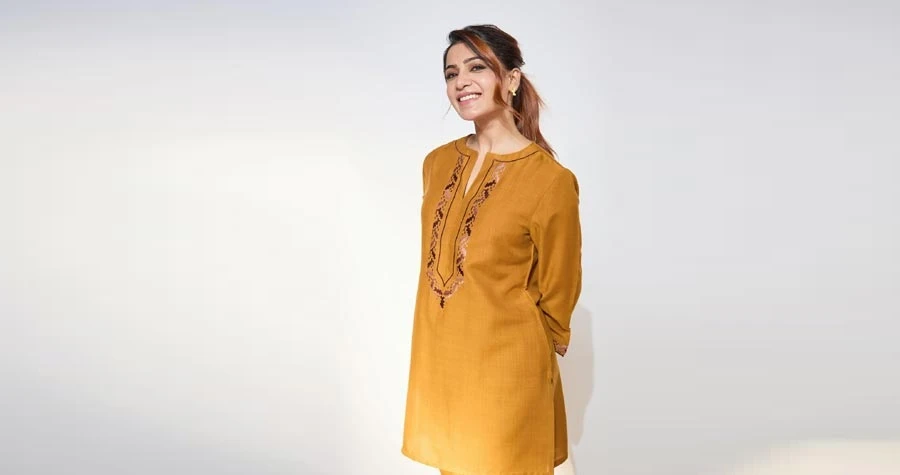
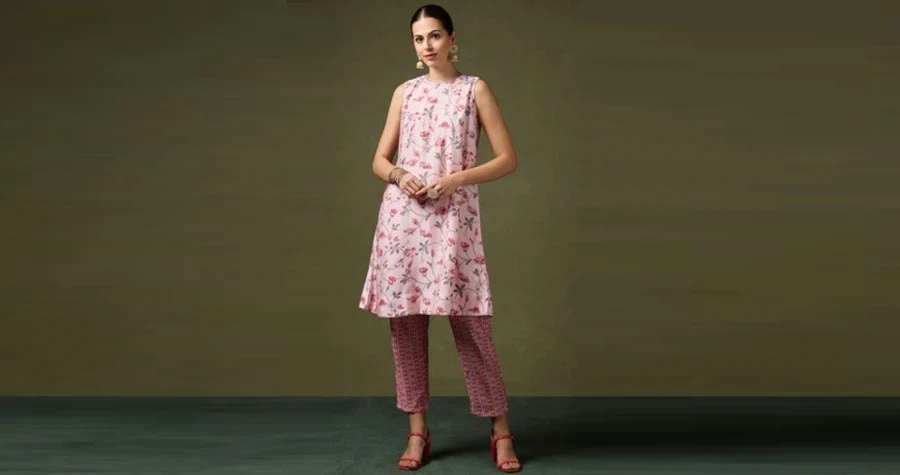
Saaki operates in the women’s clothing industry, offering modern Indian fashion that combines traditional craftsmanship with contemporary design. The brand serves fashion-conscious women seeking ethnic wear, Indo-western fusion outfits, everyday wear, and occasion-specific clothing. It falls under the broader franchise category of lifestyle and apparel retail, targeting urban consumers who value style, comfort, and cultural aesthetics.
The business concept focuses on delivering curated clothing collections through franchise outlets, emphasizing premium fabrics, detailed embroidery, and versatile designs suitable for both local and global markets.
2. How the Business Operates
Franchise outlets operate as retail showrooms for Saaki apparel. Customers engage in-store, exploring curated collections and receiving personalized fashion guidance. Operations involve inventory management, display of seasonal and core collections, sales processing, and customer support. Revenue is generated through direct sales of clothing and accessories. Daily operations include merchandising, staff management, stock replenishment, and in-store marketing initiatives.
3. Products or Services Portfolio
Franchise outlets provide:
- Ethnic Wear with a Modern Touch – kurtas, sarees, and anarkalis reimagined for contemporary styling
- Chic Fusion Wear – Indo-western designs blending modern cuts with traditional fabrics
- Everyday Wear – comfortable clothing for daily use
- Occasion Wear – outfits for weddings, festivals, and celebrations
- Fashion Accessories – complementary items aligned with seasonal collections
4. The Franchise Opportunity
Franchise partners operate under the Saaki brand, managing retail operations, customer service, and local promotions. Responsibilities include outlet management, sales, and staff oversight. Outlets follow brand guidelines for merchandising, display, and product handling. The franchisor provides training, supply chain support, marketing guidance, and operational protocols to maintain consistent quality and customer experience across locations.
5. Investment and Startup Requirements
Franchise investment involves:
| Estimated Investment | INR 20–30 Lakh |
|---|---|
| Franchise/Brand Fee | INR 3,00,000 |
| Setup Costs | Outlet design, interior, display fixtures, initial inventory, and staffing |
| Royalty/Recurring Fees | Typically included for ongoing operational and brand support |
Investment covers both physical store setup and integration into Saaki’s operational systems.
6. Outlet Setup and Infrastructure
Practical requirements for launching a franchise:
| Space Requirement | 800–1,000 sq. ft., suitable for showroom and inventory storage |
|---|---|
| Location Preference | High-traffic urban areas, shopping districts, or malls |
| Equipment Needs | Display racks, fitting rooms, POS systems, storage units |
| Staffing Considerations | Sales associates, customer service representatives, and store management |
7. Franchise Support and Training
Franchise partners receive support including:
| Operational Training | Retail management, merchandising, and customer engagement |
|---|---|
| Store Setup Assistance | Interior layout, display planning, and inventory placement |
| Marketing Guidance | Local promotional campaigns, digital marketing, and brand visibility support |
| Supply Chain Access | Ongoing product availability and stock replenishment |
| Ongoing Operational Support | Continuous guidance for sales optimization and operational efficiency |
8. Revenue Model and Profit Considerations
Revenue is generated through direct sales of clothing and accessories. Profitability depends on location, customer footfall, seasonal collections, and operational efficiency. Repeat purchases are supported by new seasonal releases and loyalty of returning customers. Operational costs include rent, staffing, inventory procurement, and utilities. Expected payback period is 1–2 years under standard urban retail conditions.
9. Brand Background and Growth
Saaki was established in 2020 with a focus on modern Indian fashion. Franchising commenced in 2025. The current franchise network supports 1–10 outlets, targeting urban fashion markets. Growth objectives include expanding brand presence across major cities and increasing accessibility of curated collections while maintaining high-quality standards and brand identity.
10. Key Advantages of the Franchise Opportunity
- Access to premium-quality women’s clothing and accessories
- Celebrity co-created collections for brand recognition
- Structured operational and merchandising support
- Scalable model suitable for urban retail locations
- Opportunities to attract repeat customers through seasonal and occasion-based collections
11. Franchise Investment Snapshot
| Estimated Investment | INR 20–30 Lakh |
|---|---|
| Franchise Fee | INR 3,00,000 |
| Space Requirement | 800–1,000 sq. ft. |
| Royalty Structure | Standard practice for ongoing brand and operational support |
| Expected Payback Period | 1–2 years |
| Number of Existing Franchise Outlets | 1–10 |
12. Who Should Consider This Franchise
Suitable candidates include:
- First-time entrepreneurs entering fashion retail
- Investors targeting lifestyle and apparel businesses
- Experienced retail operators in women’s fashion
- Entrepreneurs seeking urban, high-footfall retail opportunities with scalable potential
14. Similar Franchise Opportunities
Investors may also consider:
- Biba Fashion
- FabIndia
- W for Woman
- Global Desi
These brands operate in women’s apparel retail, offering comparable franchise models and urban market opportunities.
Accepting franchise applications in 35 states & UTs

What investment is required for Saaki franchise?
Investment ranges from INR 20–30 Lakh, including a franchise fee of INR 3,00,000, outlet setup, fixtures, inventory, and staffing. This covers operational readiness and integration with brand systems.
How does the Saaki franchise business operate?
Franchisees manage sales, store operations, and customer service. Outlets follow brand guidelines for display, merchandising, and inventory while receiving support from the franchisor for operational consistency.
What space is required to start the franchise?
Outlets require 800–1,000 sq. ft., suitable for showroom layout, inventory storage, and customer movement in urban retail locations.
How long does it take to recover the investment?
Expected payback period is 1–2 years, depending on location, customer traffic, and operational efficiency.
How can investors apply for the franchise?
Investors submit applications to the franchisor, complete evaluation, receive operational and merchandising training, and finalize outlet setup before commencing franchise operations. ## 14. Similar Franchise Opportunities
