



Roti Di Potli Franchise
1. Brand & Franchise Snapshot
| Brand Name | Roti Di Potli |
|---|---|
| Industry | Food & Beverage |
| Business Category | Quick Service Restaurants (QSR) |
| Founded Year | 2016 |
| Franchise Started | 2024 |
| Total Franchise Outlets | 1–10 |
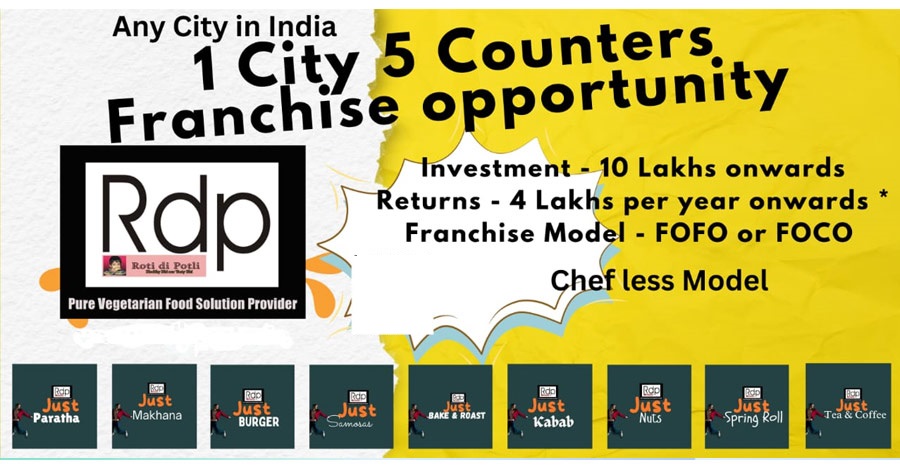
| Estimated Investment | INR 10–20 Lakh |
| Franchise Fee | INR 2.5 Lakh |
| Royalty Fee | Not specified; typical QSR franchises may charge a percentage of revenue |
| Space Requirement | 100–400 sq. ft. |
| Staff Requirement | Small team for food preparation, service, and delivery |
| Expected Payback Period | 1–3 months |
Understanding the Brand
Roti Di Potli (RDP) operates in the quick-service and frozen food sector, providing convenient, ready-to-eat and ready-to-cook meals for individual consumers and HoReCa businesses. The brand specializes in homestyle flavors with scalable solutions for small retail outlets. It falls under the broader QSR and frozen food franchise category, targeting busy customers and commercial clients seeking quality, time-efficient food.
2. Operating Concept
Franchisees manage food outlets that serve ready-to-eat, ready-to-cook, and other pre-prepared meals. Customers interact through direct purchase, digital orders, or B2B contracts with HoReCa clients. Operations involve inventory management, food preparation, packaging, and timely service or delivery. Revenue is generated from sales of meals and snacks, both in-store and through bulk orders.
3. Products or Service Categories
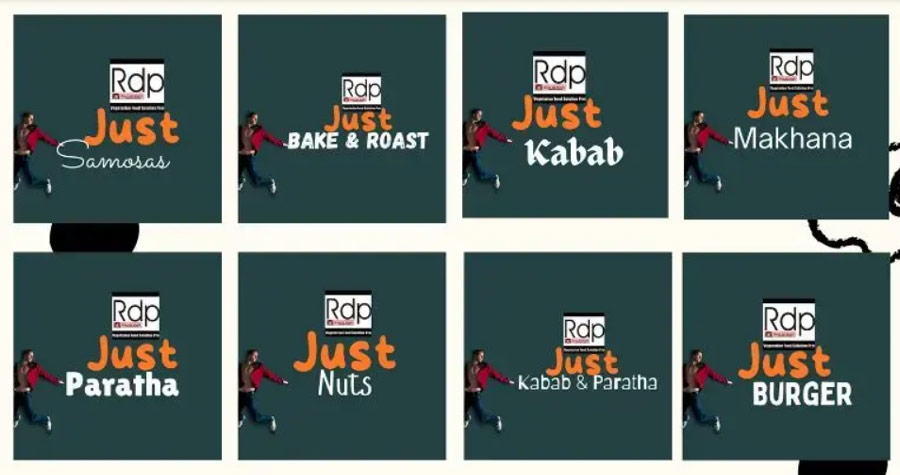
- Ready-to-Eat Meals – Quick, nutritious meals requiring no cooking
- Ready-to-Cook – Pre-prepared ingredients for home cooking
- Ready-to-Bake – Breads, desserts, and baked snacks
- Ready-to-Roast – Roasted dishes for fast preparation
- Ready-to-Fry Snacks – Fried items for immediate consumption or catering
4. Franchise Partnership Structure
- Franchise partners operate a local outlet under RDP’s operational guidelines
- Responsibilities include order management, customer service, food preparation, and delivery
- Outlets adhere to brand standards for quality, safety, and menu offerings
- Franchisor provides training, menu planning support, and operational guidance
5. Investment and Startup Costs
| Estimated Investment | INR 10–20 Lakh covering kitchen setup, initial inventory, and working capital |
|---|---|
| Franchise Fee | INR 2.5 Lakh |
| Setup Costs | Kitchen equipment, storage, packaging, and initial raw materials |
| Operational Expenses | Staff wages, utilities, ingredient replenishment, local marketing |
| Royalty Payments | Not specified; franchisees typically retain revenue after expenses |
6. Outlet Setup Requirements
| Space | 100–400 sq. ft., sufficient for cooking, storage, and small customer interaction |
|---|---|
| Location Preferences | Commercial areas, high-footfall zones, or within food delivery hubs |
| Equipment Needs | Basic cooking and refrigeration units, packaging tools, and service counters |
| Staffing | Small operational team for preparation, service, and delivery |
7. Franchise Support Systems
- Initial training on menu preparation, operations, and service
- Assistance with outlet setup and equipment procurement
- Marketing support and promotional guidance
- Operational guidance for inventory management, hygiene, and customer service
8. Revenue Model and Profit Drivers
| Pricing Structure | Meal and snack-based pricing, scalable for bulk and individual orders |
|---|---|
| Demand Drivers | Urban households, busy professionals, HoReCa clients, and frozen food consumers |
| Repeat Customer Potential | High through consistent product quality and delivery efficiency |
| Operational Cost Considerations | Ingredients, utilities, staff, and packaging |
| Expected Payback Period | 1–3 months depending on volume and local demand |
9. Brand Background and Growth
Founded in 2016 under Qfm, Roti Di Potli began as a cloud kitchen in Kolkata, later expanding into a food processing unit. The brand now offers a range of frozen and fresh products for both individuals and businesses. Expansion plans include developing a QSR franchise network across India and potentially international markets, leveraging the existing brand reputation.
10. What Makes This Franchise Different
Roti Di Potli integrates frozen food manufacturing with QSR operations, offering both convenience and homestyle flavors. Its model allows franchisees to serve retail and B2B clients from a small outlet with low startup costs while accessing a scalable brand framework.
Advantages of the Franchise
- Consistent demand for ready-to-eat and ready-to-cook meals
- Scalable business model with flexible outlet sizes
- Diverse product categories attracting retail and HoReCa clients
- Comprehensive training and operational guidance from franchisor
- Rapid ROI potential due to streamlined operations and pre-prepared products
11. Who Should Consider This Franchise
- Entrepreneurs seeking entry into the QSR or frozen food sector
- Small business owners looking for scalable, low-risk operations
- Investors interested in high-turnover food concepts with low operational space requirements
- Individuals targeting urban consumers or commercial clients in the HoReCa segment
13. Similar Franchise Opportunities
- Wow! Momo – QSR chain specializing in frozen and ready-to-eat items
- Freshmenu – Cloud kitchen and QSR model
- Biryani By Kilo – Ready-to-eat meal franchise model
- Faasos – Delivery-focused QSR franchise
- Goli Vada Pav – Small-format QSR franchise with fast ROI
These brands provide comparable opportunities in the fast-casual and frozen food segment for franchise investors evaluating high-turnover, scalable operations.
What investment is required for Roti Di Potli franchise?
The total investment ranges from INR 10–20 Lakh, including kitchen setup, inventory, and working capital. This enables franchisees to start small-scale QSR or frozen food operations with comprehensive brand support.
How does the franchise operate?
Franchisees manage daily orders, food preparation, packaging, and customer service while following RDP’s quality and operational standards. Revenue comes from both individual and B2B bulk orders.
What space is required to start the franchise?
Outlets require 100–400 sq. ft., accommodating preparation, storage, and service areas for efficient operation.
How long does it take to recover the investment?
Payback is estimated at 1–3 months, depending on local demand, order volume, and operational efficiency.
How can investors apply for the franchise?
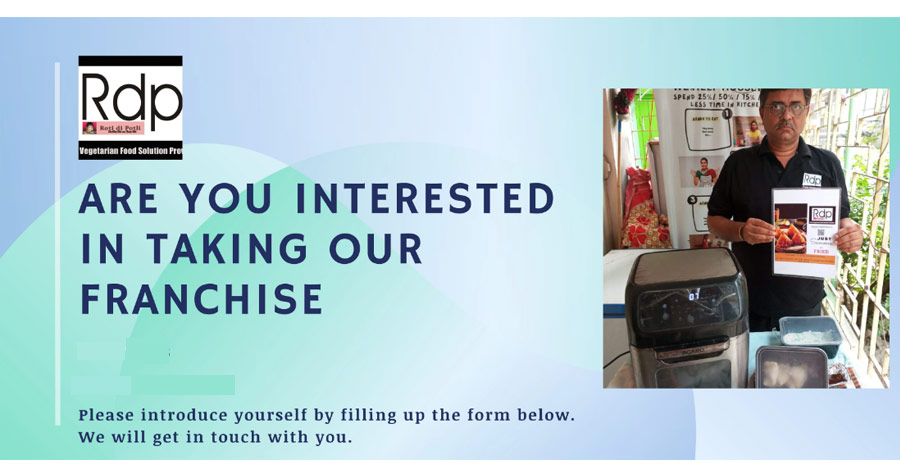
Prospective franchisees submit an application detailing location, financial readiness, and operational capabilities. The franchisor provides support for setup, training, and ongoing operational management. ## 13. Similar Franchise Opportunities
