



Pinkloom Franchise
1. Brand & Franchise Snapshot
| Brand Name | PinkLoom |
|---|---|
| Industry | Fashion & Retail |
| Business Category | Women’s Ethnic Wear |
| Founded Year | 2015 |
| Franchise Started | 2018 |
| Total Franchise Outlets | 1–10 |
| Estimated Investment | INR 2–5 Lakhs |
| Franchise Fee | INR 2,00,000 |
| Royalty Fee | 20% of revenue |
| Space Requirement | 400–500 sq. ft. |
| Staff Requirement | 2–4 employees depending on outlet size |
| Expected Payback Period | 3–5 Months |
Understanding the Brand
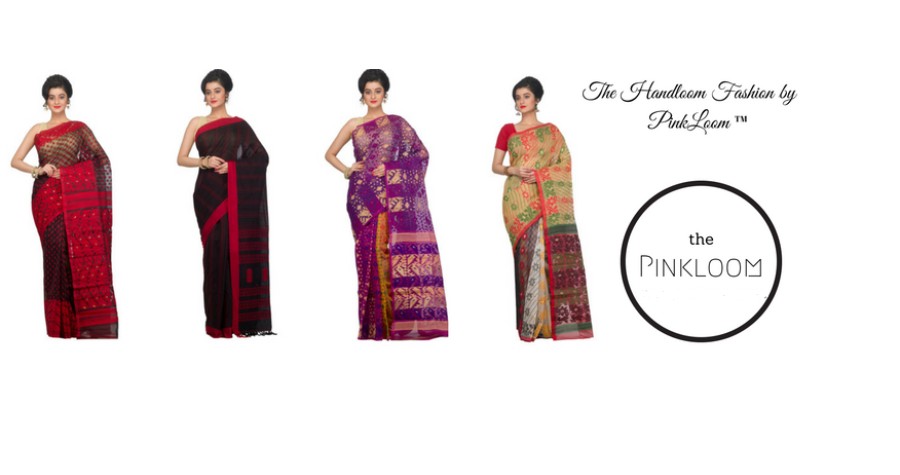
PinkLoom operates within the ethnic wear retail sector, offering handloom sarees, kurtas, and kurtis for women. The brand targets consumers seeking high-quality, culturally inspired clothing that blends traditional craftsmanship with modern design.
It belongs to the broader handloom and ethnic wear franchise category, emphasizing craftsmanship, style variety, and compact retail formats suitable for boutique operations.
2. Operating Concept
Franchise outlets function as retail points for handloom and ethnic garments.
Customers interact by browsing collections, selecting garments, and completing purchases in-store. Daily operations include inventory management, customer service, display arrangement, and order handling. Revenue is generated through direct sales of sarees, kurtas, and kurtis, with seasonal and festive collections driving repeat business.
3. Products or Service Categories
Franchise outlets generally offer:
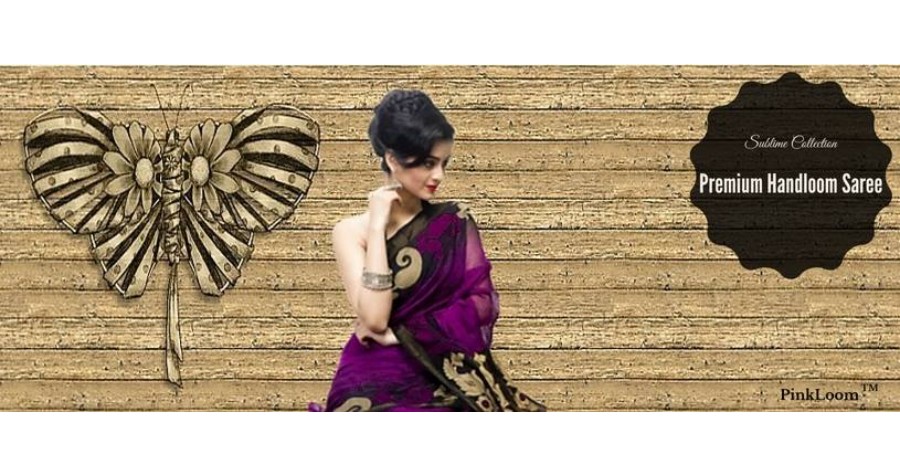
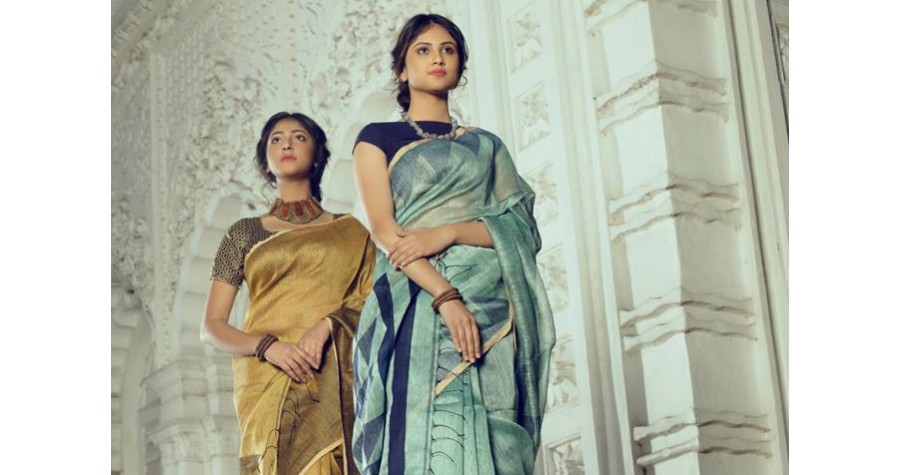
| Handloom Sarees | Cotton, silk, khadi, and linen fabrics in traditional and contemporary designs |
|---|---|
| Kurtas and Kurtis | Casual, workwear, and festive styles |
| Designer Collections | Limited-edition or seasonal ethnic wear |
| Accessories (Optional) | Coordinated items enhancing outfit appeal |
The product portfolio supports a wide range of customer preferences and occasions.
4. Franchise Partnership Structure
Entrepreneurs operate under the PinkLoom brand.
Key elements include:
- Franchisees manage daily retail operations and customer interactions
- Responsibilities include inventory management, staffing, and local marketing
- Outlets adhere to brand standards for product display, quality, and customer experience
- Franchisor provides supply of garments, operational guidance, and ongoing support
The structure ensures consistency in product quality and boutique-style presentation.
5. Investment and Startup Costs
Startup costs typically include:
| Total Investment | INR 2–5 Lakhs covering setup, initial inventory, and equipment |
|---|---|
| Franchise Fee | INR 2,00,000 granting brand usage and onboarding |
| Infrastructure Setup | Shelving, display units, lighting, and fittings |
| Pre-Opening Costs | Licensing, staff hiring, and initial merchandise |
| Royalty Payments | 20% of monthly revenue |
Investment is tailored for small-format ethnic wear outlets with boutique-style operations.
6. Outlet Setup Requirements
Outlets require compact retail space in accessible locations.
Key requirements include
| Area | 400–500 sq. ft. |
|---|---|
| Location Preference | Malls, high-street commercial areas, or boutique zones |
| Infrastructure | — |
- Display racks and shelves
- Cash counter and storage areas
- Fitting rooms for customers
- Staffing:
- 2–4 employees managing sales and store operations
The setup supports efficient customer service and product presentation.
7. Franchise Support Systems
Franchise partners receive structured support:
| Operational Training | Customer service, sales techniques, and store management |
|---|---|
| Store Setup Assistance | Layout planning and interior guidance |
| Branding Guidelines | Visual identity, merchandising, and display standards |
| Procurement Support | Regular supply of handloom and designer garments |
| Ongoing Advisory | Marketing campaigns, promotions, and operational guidance |
Support ensures consistent quality and a boutique-style shopping experience.
8. Revenue Model and Profit Drivers
Revenue is generated through sales of ethnic wear garments and seasonal collections.
Key drivers include
| Pricing Strategy | Competitive yet premium pricing for quality ethnic garments |
|---|---|
| Customer Footfall | High-traffic retail locations and festive demand |
| Repeat Purchases | Driven by seasonal, wedding, and festival collections |
| Event Promotions | Limited edition and designer collections enhance sales |
Operational costs include inventory replenishment, staff salaries, and rent. Payback typically occurs within 3–5 months depending on sales performance.
9. Brand Background and Growth
PinkLoom was founded in 2015 and began franchising in 2018. The franchise network includes 1–10 outlets initially. Expansion focuses on urban boutique locations, with both physical stores and online presence supporting brand growth nationwide.
10. What Makes This Franchise Different
The franchise combines traditional handloom craftsmanship with contemporary ethnic fashion. Focus on diverse designs, high-quality fabrics, and boutique-style presentation distinguishes PinkLoom from mass-market apparel stores.
Advantages of the Franchise
- Low-to-moderate investment with quick payback
- Compact outlet footprint for flexible locations
- Diverse product range catering to various occasions
- Consistent quality through franchisor support
- Repeat business driven by festive and seasonal collections
11. Who Should Consider This Franchise
This opportunity may suit:
- Entrepreneurs entering fashion retail or ethnic wear
- First-time business owners seeking small-format outlets
- Investors targeting boutique-style retail with seasonal demand
- Operators experienced in customer-focused apparel sales
Ideal for those comfortable managing inventory, staff, and customer engagement.
13. Similar Franchise Opportunities
Investors evaluating this concept may also consider:
- FabIndia
- Biba
- Manyavar
- W for Woman
- Global Desi
These brands operate within the ethnic wear and handloom retail segment, offering comparable franchise models and investment requirements.
Accepting franchise applications in 35 states & UTs

What investment is required for PinkLoom franchise?
Startup investment ranges from INR 2–5 Lakhs, including outlet setup, initial merchandise, and display units. Franchise fee is INR 2,00,000, with ongoing royalty of 20% of monthly revenue.
How does the PinkLoom franchise operate?
Franchise outlets sell handloom sarees, kurtas, and kurtis. Operations involve product display, customer service, inventory management, and promotion of seasonal or designer collections.
What space is required to start the franchise?
Outlets require 400–500 sq. ft., sufficient for display racks, storage, cash counter, and customer fitting area.
How long does it take to recover the investment?
Expected payback period is 3–5 months, depending on location, customer traffic, and seasonal sales performance.
How can investors apply for the franchise?
Investors contact the brand to evaluate availability, submit applications, and undergo assessment for operational capability and alignment with PinkLoom’s boutique standards. ## 13. Similar Franchise Opportunities
