



Pav Bhaji Panda Franchise
1. Brand & Franchise Snapshot
| Brand Name | Pav Bhaji Panda |
|---|---|
| Industry | Food & Beverage |
| Business Category | Quick Service Restaurant (QSR) – Street Food & Indo-Chinese |
| Founded Year | 2022 |
| Franchise Started | 2024 |
| Total Franchise Outlets | 1–10 |
| Estimated Investment | INR 30–50 Lakhs |
| Franchise Fee | INR 6,00,000 |
| Royalty Fee | 6% |
| Space Requirement | 400–800 sq. ft. |
| Staff Requirement | Kitchen staff, service crew, and cashier roles depending on outlet size |
| Expected Payback Period | 1–2 Years |
Understanding the Brand
Pav Bhaji Panda operates in the quick-service restaurant segment, combining Indian street food with Indo-Chinese cuisine under a single menu format. The concept focuses on delivering standardized versions of popular roadside dishes such as pav bhaji, noodles, and Manchurian in a structured retail environment. It targets urban consumers seeking affordable, fast-prepared meals within the broader QSR and casual dining category.
2. Operating Concept
The business follows a fast-service model where customers place orders at a counter or digital interface, and food is prepared in an open or semi-open kitchen setup.
Operations involve batch preparation of key items such as bhaji bases and sauces, followed by quick assembly and finishing per order. The workflow is designed for speed, allowing high customer turnover during peak hours. Revenue is generated through dine-in, takeaway, and delivery orders, with emphasis on volume-driven sales.
3. Products or Service Categories
The menu is structured around two primary food segments:
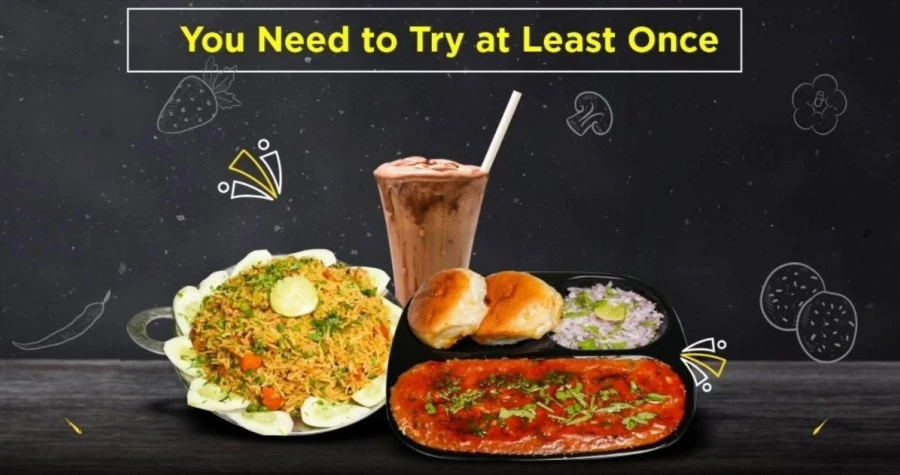
Pav Bhaji & Indian Street Food
- Classic pav bhaji variants
- Butter-based and paneer options
- Tawa pulao and related rice dishes
Indo-Chinese Fast Food
- Noodles and fried rice
- Manchurian (dry and gravy formats)
- Chilli paneer and snack items
- Street-style fusion dishes such as Chinese bhel
This dual-category menu supports broader customer appeal across different taste preferences.
4. Franchise Partnership Structure
The franchise model is based on standardized food preparation and branding consistency across outlets.
The franchise partner is responsible for:
- Day-to-day restaurant operations
- Staff hiring and management
- Inventory procurement and control
- Maintaining service and hygiene standards
The franchisor provides menu frameworks, recipes, and operational systems. Franchise outlets operate under uniform branding and follow defined preparation processes to maintain consistency.
5. Investment and Startup Costs
The financial requirement aligns with mid-sized QSR formats.
| Total Investment | As indicated in the snapshot |
|---|---|
| Franchise Fee | One-time cost for brand onboarding |
| Setup Costs | Includes kitchen equipment, interiors, seating (if applicable), and signage |
| Royalty Fee | A percentage of revenue contributing to brand support and system maintenance |
The investment reflects both kitchen infrastructure and customer-facing setup.
6. Outlet Setup Requirements
The format requires a moderately sized commercial unit suitable for food preparation and service.
Key requirements include:
- Kitchen space with cooking stations and exhaust systems
- Service counter and optional seating area
- Storage for raw materials and prepared components
- Compliance with food safety and hygiene standards
Locations with strong footfall such as food courts, high streets, and commercial zones are typically preferred.
7. Franchise Support Systems
Support is designed to assist partners through setup and operational stages.
Pre-launch support may include
- Location evaluation and layout planning
- Kitchen design and equipment guidance
- Initial staff training
Ongoing support may include
- Standardized recipes and preparation training
- Operational process guidelines
- Marketing and promotional input
- Periodic menu updates
8. Revenue Model and Profit Drivers
Revenue is driven by high-volume sales of affordable food items across multiple categories.
Key profit drivers include:
- Strong demand for street food and Indo-Chinese cuisine
- Cross-selling between menu categories
- High repeat consumption, especially in urban areas
- Delivery and takeaway contributing to additional revenue streams
The expected payback period is within the early operational phase, influenced by location performance and sales volume.
9. Brand Background and Expansion
The brand was established in 2022 and entered franchising in 2024. It is currently in an early expansion phase with a limited number of operational outlets.
Growth strategy focuses on expanding into urban markets through franchise-owned units, particularly in high-demand food service locations.
10. What Makes This Franchise Different
The concept integrates two high-demand food categories—Mumbai street food and Indo-Chinese cuisine—within a single operational setup. This allows shared kitchen infrastructure while expanding the product range, improving revenue potential per outlet compared to single-category QSR models.
Advantages of the Franchise
- Consistent demand for street food across multiple demographics
- Dual-menu format enabling broader customer base
- High repeat purchase frequency
- Structured preparation systems supporting scalability
- Potential for expansion across high-footfall urban locations
11. Who Should Consider This Franchise
This franchise may suit:
- Entrepreneurs entering the food service industry
- Existing QSR operators looking to diversify offerings
- Investors targeting high-footfall retail formats
- Individuals interested in scalable food business models
- Multi-unit operators seeking expansion opportunities
13. Similar Franchise Opportunities
Investors evaluating this concept may also consider:
- Goli Vada Pav
- Wow! Momo
- Hakka
- Chai Sutta Bar
- Bikanervala
These brands operate in related fast-food and street-food-inspired segments, offering comparable franchise investment opportunities.
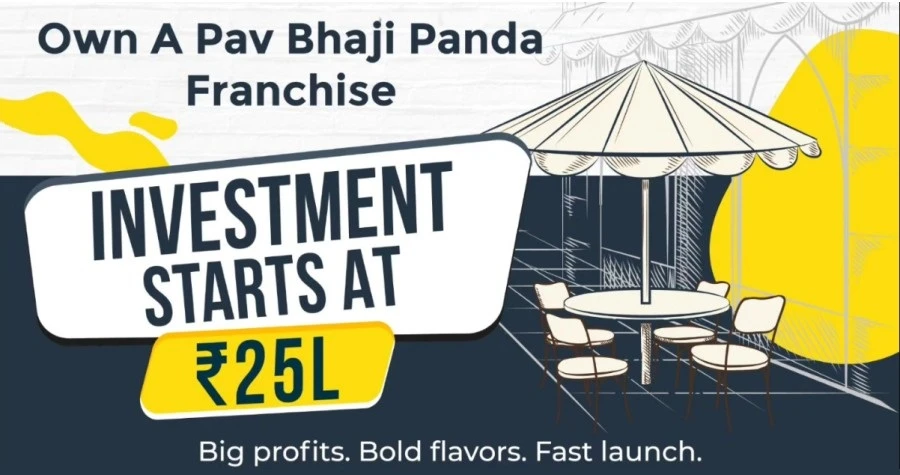

What investment is required for Pav Bhaji Panda franchise?
The investment falls within a mid-to-high range for QSR businesses. It includes franchise fees, kitchen setup, interiors, and working capital. Costs vary based on location size and format, but the model is designed to support high-volume operations within this investment bracket.
How does the Pav Bhaji Panda franchise operate?
The outlet operates as a quick-service restaurant with a counter-based ordering system. Food is prepared using standardized recipes, with emphasis on speed and consistency. Revenue comes from dine-in, takeaway, and delivery orders, driven by frequent customer visits.
What space is required to start the franchise?
A medium-sized commercial space is needed to accommodate kitchen operations and customer service areas. The layout typically includes cooking stations, storage, and a service counter, with optional seating depending on the chosen format.
How long does it take to recover the investment?
The expected payback period is around one to two years. Recovery depends on location quality, customer footfall, pricing strategy, and operational efficiency. High-demand food categories contribute to steady revenue generation.
How can investors apply for the franchise?
Prospective franchisees can initiate the process by contacting the brand through its official channels. The process generally includes application review, discussion of investment capability, location assessment, and completion of franchise agreements before launch. ## 13. Similar Franchise Opportunities
