



Pappu Chaiwalla Franchise
Brand & Franchise Snapshot
| Brand Name | Pappu Chaiwalla |
|---|---|
| Industry / Business Category | Tea and Coffee / Quick Service Restaurants |
| Founded Year | 2016 |
| Franchise Started Year | 2018 |
| Total Franchise Outlets | 1–10 |
| Estimated Investment | INR 10 Lakh – 20 Lakh |
| Franchise Fee | INR 3,00,000 |
| Royalty Fee | 4% |
| Space Requirement | 100–1000 Sq.ft |
| Staff Requirement | Café staff including baristas, counter staff, and store manager |
| Expected Payback Period | 1–2 Years |
1. What is Pappu Chaiwalla?
Pappu Chaiwalla is a café and tea brand that blends traditional Indian chai with modern café experiences. It serves a range of tea beverages and Indian street-style snacks in a casual quick-service environment. The franchise targets urban and semi-urban consumers seeking a culturally rooted yet contemporary tea-drinking experience.
Pappu Chaiwalla franchise allows investors to operate a café delivering consistent quality tea and snack offerings under an established brand identity.
2. How the Business Works
Franchise outlets operate as quick-service cafés, offering both in-store and takeaway options. Customers order tea and snacks at the counter, with some locations integrating delivery via digital platforms. Kitchen operations emphasize fast preparation of chai variants and freshly made street snacks. Revenue is generated from sales of beverages and snacks, with royalties calculated as a percentage of gross sales.
3. Products or Services Offered
| Tea Variants | Masala chai, special blends, iced teas |
|---|---|
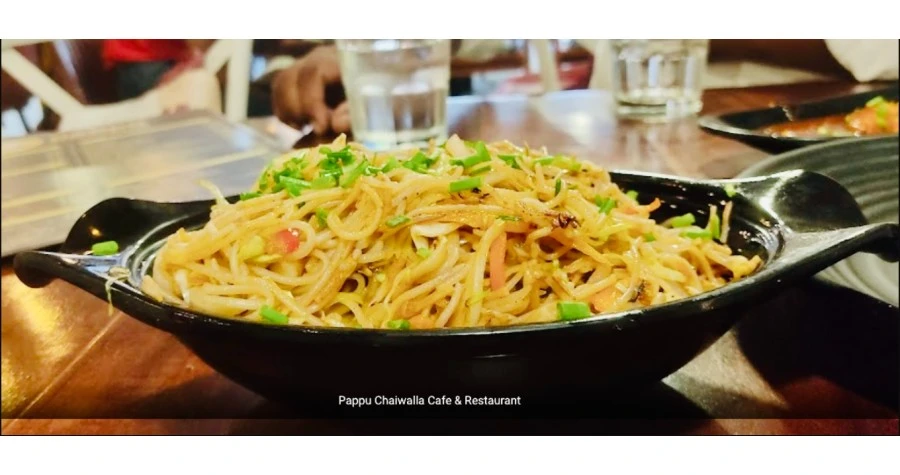
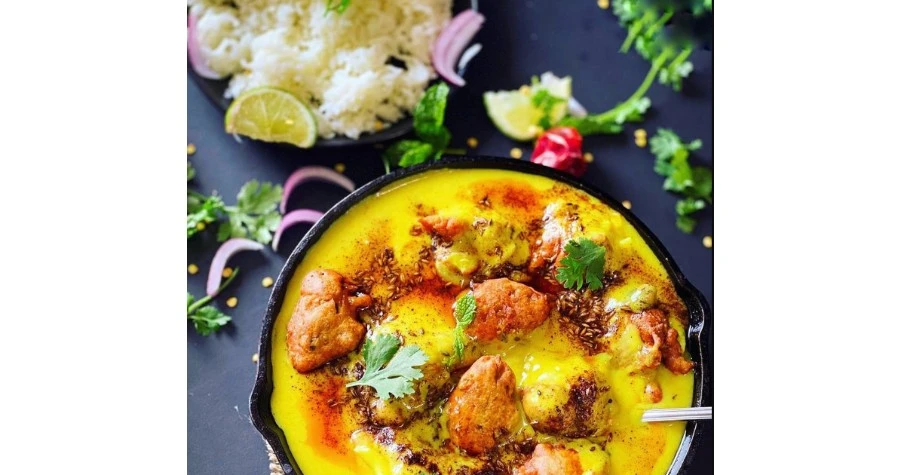
| Snacks | Bun maska, vada pav, samosa, pakoras, Maggi variations, chaat items |
| Fusion Menu Items | Street food with creative plating and flavor twists |
| Complementary Beverages | Coffee, soft drinks, shakes |
4. Franchise Structure and Operating Model
Franchise partners manage outlet operations, including staffing, inventory, and customer service, while adhering to brand standards. The franchisor provides:
- Standardized menu and preparation protocols
- Training programs for operational and service excellence
- Marketing and branding support
- Supply chain guidance for ingredients and consumables
Franchisees are responsible for local marketing, maintaining quality, and day-to-day management.
5. Franchise Cost and Investment
| Estimated Investment | INR 10–20 Lakh covering store setup, equipment, initial inventory, and franchise fee |
|---|---|
| Franchise Fee | INR 3,00,000 |
| Setup Costs | Interior fit-out, brewing and kitchen equipment, POS systems, signage, initial inventory |
| Royalty | 4% of gross sales |
Costs generally include permits, licenses, and initial marketing spend.
6. Space and Setup Requirements
| Space Requirement | 100–1000 Sq.ft depending on store format (kiosk, small café, or cloud kitchen) |
|---|---|
| Preferred Locations | Urban centers, near offices, malls, or high-traffic areas |
| Equipment Needs | Tea brewing equipment, display counters, seating arrangements, refrigeration |
| Staffing Considerations | Baristas, counter staff, kitchen staff, store supervisor |
7. Training and Franchise Support
Franchise partners receive structured onboarding including:
- Barista and kitchen training
- Store setup and operational guidance
- Marketing and social media strategy support
- Supply chain management and quality assurance
- Ongoing operational consulting
These programs ensure consistent product quality and efficient store operations.
8. Revenue Model and ROI Factors
Revenue comes from beverage and snack sales, with potential for high repeat traffic due to brand loyalty and popular menu offerings. Pricing is positioned for quick-service affordability with moderate margins. Efficient staffing, consistent quality, and optimized ingredient sourcing affect profitability. The typical payback period is 1–2 years depending on location and sales performance.
9. Brand Background and Expansion
Founded in 2016, Pappu Chaiwalla began franchising in 2018. Its focus is on delivering culturally authentic chai in a modern quick-service format. Franchise expansion is targeted at urban and semi-urban areas, with flexible formats including kiosks, cafés, and cloud kitchens to optimize footprint and scalability.
10. What Makes This Franchise Different
Pappu Chaiwalla combines a culturally familiar product—Indian chai—with a modern café presentation and experiential brand storytelling. Unlike typical tea stalls, it offers standardized preparation, curated snack options, and themed outlets, emphasizing customer engagement, social interaction, and digital marketing. Its operational model allows replication across various urban formats with low entry costs.
11. Key Advantages of the Franchise
- Strong consumer demand for culturally familiar yet modernized tea experiences
- Scalable café model adaptable to small kiosks or full cafés
- Repeat customer potential due to popular beverage and snack offerings
- Comprehensive franchisor support including operations, supply chain, and marketing
- Flexible expansion into tier-2 and tier-3 cities with moderate investment
12. Who Should Consider This Franchise
- First-time business owners seeking a low-entry food & beverage concept
- Investors interested in tea and café segments
- Experienced quick-service restaurant operators looking for a culturally differentiated concept
- Entrepreneurs targeting urban and semi-urban markets with scalable operations
Similar Franchise Opportunities
- Chai Point
- Tea Trails
- Chai Sutta Bar
- Chaayos
Pappu Chaiwalla offers a culturally rooted, modernized tea café concept with a scalable quick-service model, standardized operations, and strong brand positioning in the Indian tea market.
Accepting franchise applications in 35 states & UTs
What is the investment required for Pappu Chaiwalla franchise?
The estimated investment ranges from INR 10–20 Lakh, covering store setup, equipment, inventory, and franchise fees.
How does the Pappu Chaiwalla franchise operate?
Franchisees manage café operations, staff, and inventory while following standardized menu preparation, operational procedures, and brand guidelines provided by the franchisor.
What space is required to start the franchise?
Outlets range from 100–1000 Sq.ft depending on the store format, designed for quick-service operations and customer seating.
How long does it take to recover the investment?
The expected payback period is 1–2 years, depending on location, footfall, and operational efficiency.
How can investors apply for the franchise?
Prospective franchisees submit an application with proposed location details, business plan, and operational capabilities. Approval is based on territorial availability and alignment with brand standards. ## Similar Franchise Opportunities
