



Old School Tea Franchise
Brand & Franchise Snapshot
| Brand Name | Old School Tea |
|---|---|
| Industry | Food & Beverage |
| Business Category | Tea & Coffee (Quick Service Beverage) |
| Founded Year | 2022 |
| Franchise Started | 2022 |
| Total Franchise Outlets | 50–100 |
| Estimated Investment | INR 5–10 Lakhs |
| Franchise Fee | Typically charged for brand licensing, onboarding, and training support |
| Royalty Fee | Usually structured as a percentage of sales to support brand systems and marketing |
| Space Requirement | 200–300 sq. ft. |
| Staff Requirement | Small team for beverage preparation and counter service |
| Expected Payback Period | 1–2 Years |
1. What is Old School Tea?
Old School Tea is a quick service beverage brand operating in the tea and café segment, offering a range of traditional and fusion tea-based drinks. It falls within the affordable premium beverage franchise category, targeting mass-market consumers including students, office workers, and daily commuters.
The concept focuses on delivering café-style beverages at price points accessible to a wider audience.
2. How the Business Works
The business follows a compact beverage outlet model designed for high-frequency consumption.
Customer journey:
- Walk-in or takeaway orders from a beverage-focused menu
- Quick preparation of tea-based drinks and refreshments
- Immediate serving with minimal waiting time
Operational workflow:
- Standardized brewing and mixing processes
- Use of predefined recipes to maintain consistency
- Fast counter service to support high customer turnover
Revenue is generated through frequent beverage purchases and repeat visits.
3. Products or Services Offered
The menu is structured around tea-based beverages and complementary drinks:
- Traditional Tea Variants
- Masala chai, ginger tea, tulsi tea, cutting chai
- Fusion and Milk-Based Beverages
- Flavored teas, tea lattes, chocolate-based tea drinks
- Cold and Seasonal Drinks
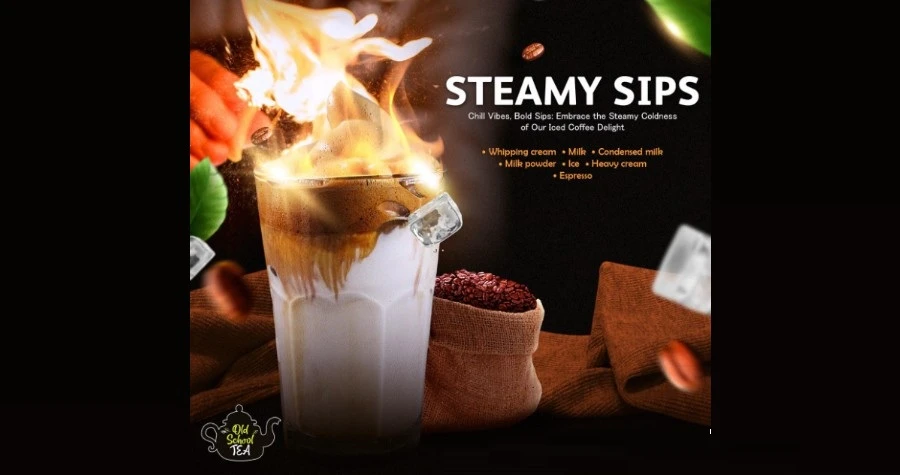
- Iced teas and summer coolers
- Add-on Beverage Options
- Light snacks or quick accompaniments depending on outlet format
This mix allows the brand to cater to both traditional and modern beverage preferences.
4. Franchise Structure and Operating Model
The franchise model is outlet-driven and standardized for scalability.
- Franchise partners operate individual tea outlets under the brand
- The partner manages daily operations including staffing, service, and inventory
- The brand provides recipes, branding, and operational systems
Typical structure includes:
- Upfront franchise fee for brand usage
- Ongoing royalty to support brand development and centralized systems
5. Franchise Cost and Investment
The investment range positions the brand within the entry-to-mid-level food franchise segment.
Cost components generally include:
- Interior setup and outlet branding
- Beverage preparation equipment
- Initial inventory of ingredients
- Licensing and working capital
Royalty fees, where applicable, are used to maintain brand consistency, marketing, and operational support systems.
6. Space and Setup Requirements
Launching an outlet requires a compact setup:
Space: 200–300 sq. ft.
Location Preferences
- High footfall areas such as markets, colleges, and transit zones
- Dense residential or commercial neighborhoods
Equipment Needs
- Tea brewing and beverage preparation equipment
- Storage and refrigeration units
Staffing
- Small team trained in beverage preparation and customer handling
7. Training and Franchise Support
Franchise partners typically receive structured support:
- Training in beverage preparation and operational processes
- Assistance with store setup and layout planning
- Marketing and branding guidance
- Technology integration such as POS systems
- Ongoing operational monitoring and quality checks
These systems help maintain consistent customer experience across outlets.
8. Revenue Model and ROI Factors
Revenue is driven by:
- High repeat consumption of beverages
- Affordable pricing encouraging daily purchases
- Upselling through flavored or premium variants
Key ROI drivers include:
- Location-based footfall
- Speed of service and order turnover
- Consistency in product quality
The expected payback period of 1–2 years depends on sustained daily sales volume.
9. Brand Background and Expansion
Founded in 2022, the brand has scaled quickly through a franchise-led expansion strategy. Within a short period, it has built a network of 50+ outlets across multiple cities.
Expansion is focused on both metro and smaller urban markets, supported by a standardized and replicable outlet model.
10. What Makes This Franchise Different
The concept combines tea stall affordability with café-style product positioning, creating a hybrid model. Unlike traditional tea stalls or premium cafés, it standardizes recipes and branding while maintaining low pricing, enabling scalability across diverse markets.
11. Key Advantages of the Franchise
- Strong demand for tea as a daily consumption product
- Scalable outlet model with compact space requirements
- High repeat purchase behavior
- Standardized operations for consistency
- Expansion potential across urban and semi-urban markets
12. Who Should Consider This Franchise
This opportunity may suit:
- First-time entrepreneurs entering the food and beverage segment
- Small investors looking for a low-to-mid investment café model
- Operators targeting student and office-going customer segments
- Individuals seeking a high-frequency, beverage-focused business
Similar Franchise Opportunities
Investors exploring Old School Tea may also evaluate:
- Chai Point
- Chaayos
- Tea Time
- Yewale Amruttulya
- The Tea Factory
These brands operate within the tea and quick service beverage segment and offer comparable franchise models based on high-frequency consumption and standardized operations.


What is the investment required for Old School Tea franchise?
The investment generally falls within the INR 5 to 10 lakh range. This includes setup, equipment, branding, and initial working capital required to launch a compact beverage outlet.
How does the Old School Tea franchise business operate?
The business operates as a quick service beverage outlet where customers order tea and drinks at the counter. Orders are prepared using standardized recipes and served quickly, enabling high daily transaction volumes.
What space is required for the franchise?
An outlet typically requires 200 to 300 square feet. This size supports a compact setup with beverage preparation, storage, and a service counter.
How long does it take to recover the investment?
The expected payback period is around 1 to 2 years. Recovery depends on location quality, customer footfall, and operational efficiency.
How can investors apply for the franchise?
Investors can apply through the brand’s official franchise channels. The process usually involves initial discussions, location evaluation, agreement finalization, and support during setup and launch. ## Similar Franchise Opportunities
