



Nurtureland Preschool Franchise
1. Brand & Franchise Snapshot
| Brand Name | Nurtureland Preschool |
|---|---|
| Industry | Education & Early Childhood Development |
| Business Category | Preschool / Early Learning Franchise |
| Founded Year | 2018 |
| Franchise Started | 2024 |
| Total Franchise Outlets | 1–10 |
| Estimated Investment | INR 10–20 Lakhs |
| Franchise Fee | INR 3,50,000 |
| Royalty Fee | 15% |
| Space Requirement | 1500–2000 sq. ft. |
| Staff Requirement | Teachers, caregivers, and administrative staff |
| Expected Payback Period | 1–2 years |
What is Nurtureland Preschool?
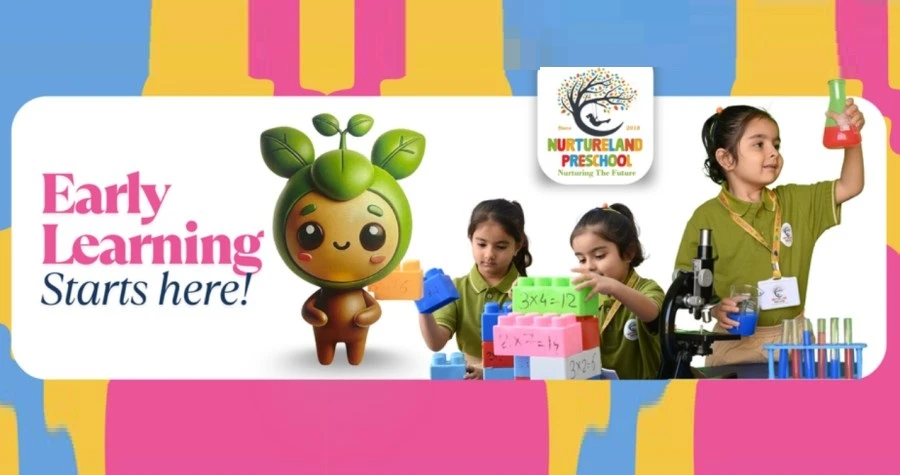
Nurtureland Preschool is an early childhood education brand operating in the preschool franchise segment, offering structured learning programs for young children. The model combines foundational education with activity-based learning, targeting children in early developmental stages and parents seeking organized preschool education.
It operates within the broader education franchise category, specifically focused on preschool and daycare learning centres.
2. Operating Concept
The business runs as a center-based preschool where children are enrolled for structured daily learning sessions.
The customer journey typically includes:
- Parent enquiry and school visit
- Student enrolment and onboarding
- Daily classroom sessions combining play and structured learning
- Periodic assessments and parent feedback
Inside the center, operations involve classroom teaching, activity-based sessions, and supervision of children. Revenue is generated through admission fees, tuition fees, and additional program charges.
3. Products or Service Categories
The franchise offers early education programs structured around multiple learning areas:
Core Learning Programs
- Foundational preschool curriculum
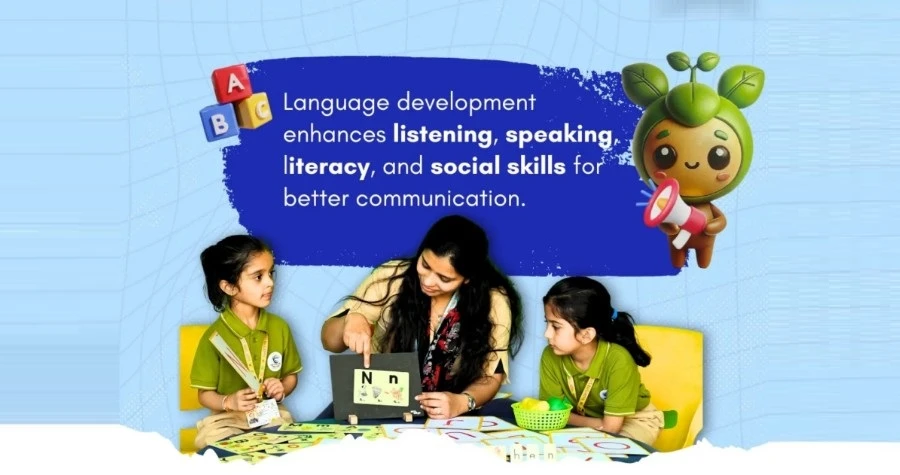
- Early literacy and numeracy development
Skill Development Activities
- Robotics and basic coding exposure
- Clay modeling and sensory-based activities
Creative and Expression Programs
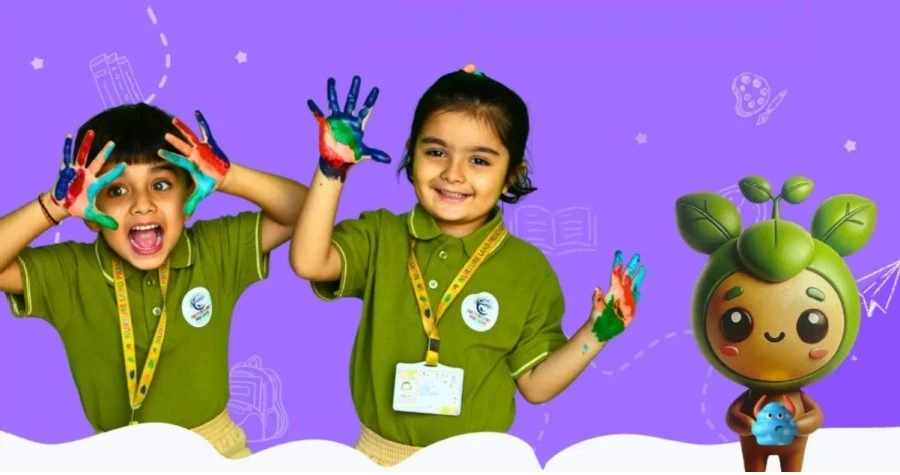
- Art and craft
- Music and storytelling
- Dance and physical activities
Enrichment Modules
- Social-emotional development
- Communication and personality-building activities
These programs are designed to combine academic readiness with experiential learning.
4. Franchise Partnership Structure
The model operates as a standardized preschool franchise system.
Franchise partners are responsible for:
- Setting up and managing the preschool center
- Hiring and supervising teaching and support staff
- Managing admissions, fees, and daily operations
- Ensuring adherence to curriculum and brand guidelines
The franchisor provides:
- Curriculum frameworks and teaching methodologies
- Branding and marketing support
- Training for teachers and operators
- Learning tools and program materials
This structure allows uniform delivery of education across locations.
5. Investment and Startup Costs
The financial requirement falls within the mid-range education franchise segment.
Key investment components include:
- Franchise fee for brand usage and onboarding
- Interior setup aligned with preschool standards
- Classroom furniture, teaching aids, and play equipment
- Learning kits and curriculum materials
- Initial marketing and working capital
The royalty represents a recurring fee linked to revenue, typically used to support brand development, training, and system maintenance.
6. Outlet Setup Requirements
Setting up a preschool requires specific infrastructure aligned with child safety and learning needs.
Space Requirements
- 1500 to 2000 sq. ft.
Location Preferences
- Residential neighborhoods
- Areas with young family demographics
Infrastructure Needs
- Classrooms with learning zones
- Activity and play areas
- Safety-compliant interiors
Staffing
- Qualified teachers
- Caregivers and support staff
- Administrative personnel
7. Franchise Support Systems
The franchise system includes operational and academic support.
Support areas typically include:
- Teacher training and curriculum implementation
- Assistance in setting up classrooms and activity areas
- Marketing support for admissions
- Supply of learning kits and teaching resources
- Ongoing academic and operational guidance
These systems help maintain consistency in teaching quality and center operations.
8. Revenue Model and Profit Drivers
Revenue is primarily fee-based and recurring.
Revenue Streams
- Admission fees
- Monthly or quarterly tuition fees
- Activity and program charges
Key Profit Drivers
- Increasing demand for structured early education
- Repeat revenue from enrolled students
- Add-on programs and workshops
- High occupancy rates within the center
The expected payback period reflects stable demand and recurring income typical of preschool models.
9. Brand Background and Expansion
The brand began operations in 2018 and entered franchising in 2024.
With a limited but growing network of centers, expansion is focused on increasing presence in urban and semi-urban locations where demand for organized preschool education is rising.
10. What Makes This Franchise Different
The concept integrates early exposure to technology, such as robotics, within preschool education—an approach not commonly found in traditional early learning centers.
By combining structured curriculum methods with hands-on activities like clay modeling and STEM-based learning, the model shifts from purely play-based setups to a hybrid learning environment that blends cognitive, creative, and technological development.
Advantages of the Franchise
- Growing demand for preschool and early education services
- Recurring revenue model through tuition-based income
- Structured curriculum with activity-based learning
- Support systems for training and operations
- Scalability across residential markets
11. Who Should Consider This Franchise
This opportunity is suitable for:
- First-time entrepreneurs entering the education sector
- Educators and teachers looking to start their own center
- Investors interested in service-based, recurring income businesses
- Individuals with an interest in child development and education
- Existing daycare operators expanding into structured preschool models
13. Similar Franchise Opportunities
Entrepreneurs evaluating preschool and early education franchises may also consider:
- Kidzee
- EuroKids
- Bachpan Play School
- Hello Kids
- Little Millennium
These brands operate in the preschool segment and offer comparable franchise models in early childhood education.

What investment is required for Nurtureland Preschool franchise?
The investment typically ranges between INR 10–20 lakhs, covering franchise fees, infrastructure setup, classroom equipment, and working capital. The exact amount depends on location, facility size, and local operational costs.
How does the Nurtureland Preschool franchise operate?
The franchise operates as a preschool center offering structured learning programs. Revenue is generated through admissions and recurring tuition fees. Daily operations involve teaching, activity-based learning sessions, and student supervision.
What space is required to start the franchise?
A space of around 1500 to 2000 sq. ft. is required. The facility must include classrooms, activity zones, and safe play areas designed specifically for early childhood education environments.
How long does it take to recover the investment?
The expected payback period is approximately one to two years. Recovery depends on enrollment levels, fee structure, and the ability to maintain consistent student intake over time.
How can investors apply for the franchise?
Interested investors can apply by submitting an enquiry to the brand’s franchise team. The process typically involves evaluation of location, financial readiness, and alignment with operational requirements before onboarding. ## 13. Similar Franchise Opportunities
