


National Youth Computer & Vocational Training Franchise
Brand & Franchise Snapshot
| Brand Name | National Youth Computer & Vocational Training (NYCVTC) |
|---|---|
| Industry / Business Category | Education / Skill Development |
| Founded Year | 2023 |
| Franchise Started | 2023 |
| Total Franchise Outlets | 10–20 |
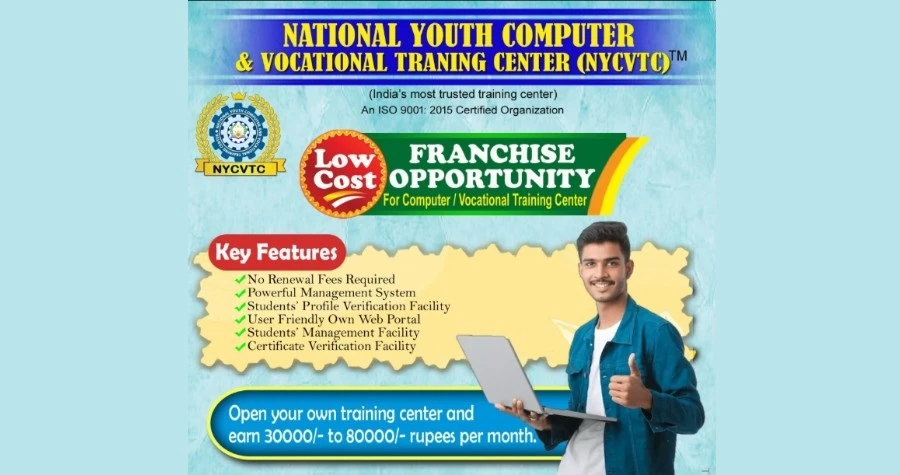
| Estimated Investment | INR 10,000–50,000 |
| Franchise Fee | Not specified; generally covers brand access, training, and operational support |
| Royalty Fee | Not specified; typically a recurring percentage for brand use and ongoing support |
| Space Requirement | 100–200 sq.ft |
| Staff Requirement | Trainers, administrative staff, and support personnel based on outlet size |
| Expected Payback Period | 1–2 years |
1. What is National Youth Computer & Vocational Training?
National Youth Computer & Vocational Training provides practical computer education and vocational skill development for youth, homemakers, school dropouts, and working professionals. Operating in the skill development and education sector, it delivers training across IT applications, vocational trades, and employability programs. The brand falls under the broader vocational education franchise category, targeting learners seeking industry-relevant skills.
2. Operating Concept
Franchise outlets deliver courses in classroom, workshop, and online formats. Students enroll, attend practical sessions, complete skill assessments, and receive certifications. Daily operations include course scheduling, instruction, student mentoring, and evaluation. Revenue is generated from tuition fees, workshop participation, and placement assistance programs.
3. Products or Service Categories
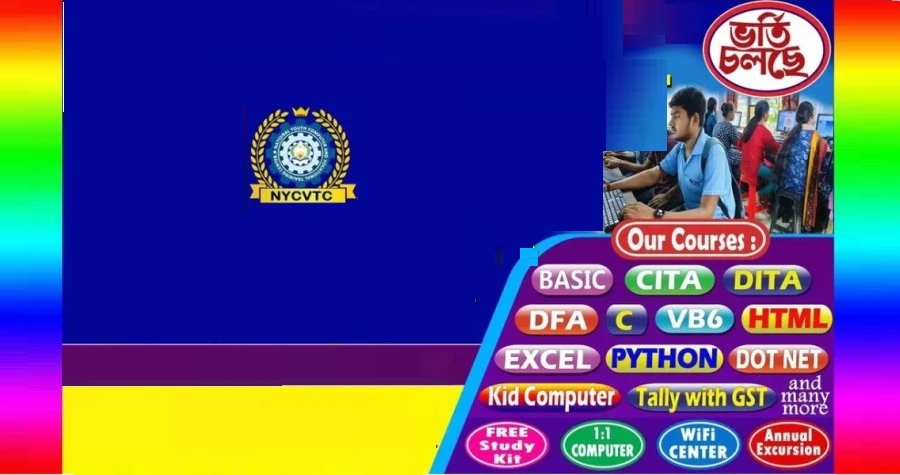
| Computer Training | MS Office, internet, email, Tally, programming, web and graphic design |
|---|---|
| Vocational Courses | Electrician, electronics technician, fashion design, tailoring, beautician, hair styling, mobile repair, spoken English, and soft skills |
| Skill Development Programs | Career counseling, resume building, interview preparation, and on-job training |
| Online & Blended Learning | Virtual classes and remote learning modules where infrastructure allows |
4. Franchise Partnership Structure
Franchise partners operate training centers under NYCVTC and are responsible for:
- Conducting courses and workshops
- Managing student enrollment and administrative operations
- Maintaining quality standards and operational compliance
- Coordinating with the franchisor for curriculum updates and guidance
The franchisor provides training materials, operational frameworks, course development support, and ongoing monitoring.
5. Investment and Startup Costs
| Estimated Investment | INR 10,000–50,000 for setup, equipment, and initial marketing |
|---|---|
| Franchise Fee | Typically covers brand licensing, curriculum, and operational support |
| Setup Costs | Computers, classroom furniture, teaching aids, and internet infrastructure |
| Royalty Payments | Usually recurring fees for brand use and ongoing franchisor support |
6. Outlet Setup Requirements
| Space Requirement | 100–200 sq.ft for classrooms, practical labs, and administrative functions |
|---|---|
| Preferred Locations | Urban and semi-urban areas with access to youth and working professionals |
| Equipment Needs | Computers, projectors, software, and classroom furnishings |
| Staffing Considerations | Trainers and administrative staff to deliver instruction and manage operations |
7. Franchise Support Systems
NYCVTC provides franchise partners with:
| Operational Training | Instruction delivery, student mentoring, and course management |
|---|---|
| Launch Assistance | Facility setup, curriculum implementation, and initial student outreach |
| Marketing Support | Local promotions, community engagement, and student recruitment strategies |
| Ongoing Guidance | Curriculum updates, assessment monitoring, and skill development workshops |
8. Revenue Model and Profit Drivers
Revenue is generated from tuition fees, vocational training programs, workshops, and placement services. Profitability depends on student enrollment, repeat courses, and operational efficiency. Operational costs include staff salaries, infrastructure maintenance, and teaching resources. Payback period is estimated at 1–2 years based on enrollment and course demand.
9. Brand Background and Expansion
| Founded Year | 2023 |
|---|---|
| Franchise Commenced | 2023 |
| Franchise Network Size | 10–20 outlets |
| Geographic Presence | Initial urban and semi-urban areas with potential expansion to underserved regions |
| Expansion Goals | Broaden access to digital literacy and vocational skills across rural and semi-urban districts |
10. What Makes This Franchise Different
NYCVTC combines computer literacy, vocational training, and employability programs in a modular, accessible format. Its model emphasizes practical skill development, industry-aligned curriculum, and community impact, distinguishing it from traditional educational centers.
Advantages
- High demand for computer and vocational skills
- Scalable modular training model
- Repeat engagement through advanced courses and workshops
- Operational support systems including curriculum, evaluation, and mentoring
- Opportunities for expansion in underserved areas and digital education
11. Who Should Consider This Franchise
- Entrepreneurs focused on education and skill development
- Trainers and professionals with expertise in IT or vocational fields
- Small investors targeting service-based education models
- Individuals seeking social impact and community-oriented business opportunities
13. Similar Franchise Opportunities
- Jetking
- Aptech Computer Education
- NIIT
- Arena Animation
- Smart Infotech Academy
These franchises offer comparable skill development and computer education programs for learners seeking employable skills.
Accepting franchise applications in 36 states & UTs


What investment is required for NYCVTC franchise?
Investment ranges from INR 10,000–50,000, covering setup, equipment, and initial marketing. Franchise fees typically include brand access, curriculum, and operational support, with revenue-sharing arrangements depending on franchise agreements.
How does the NYCVTC franchise operate?
Franchise partners deliver training programs, manage enrollments, conduct practical and theoretical sessions, and provide mentoring. The franchisor supplies curriculum, course materials, operational guidance, and performance monitoring.
What space is required to start the franchise?
Outlets require 100–200 sq.ft for classrooms, practical training areas, and administrative functions, ensuring effective skill development and student interaction.
How long does it take to recover the investment?
Payback is typically 1–2 years, depending on student enrollment, course demand, and operational efficiency in delivering training programs.
How can investors apply for the franchise?
Investors submit inquiries to the franchisor for evaluation, onboarding, and operational guidance to establish a NYCVTC training center. ### 13. Similar Franchise Opportunities
