


Mymate Franchise
Brand & Franchise Snapshot
| Brand Name | Mymate |
|---|---|
| Industry | Food & Beverage |
| Business Category | Quick Service Restaurant (QSR) |
| Founded Year | 2014 |
| Franchise Started | 2020 |
| Total Franchise Outlets | 1 to 10 |
| Estimated Investment | INR 2 Lakh – 5 Lakh |
| Franchise Fee | INR 1,50,000 |
| Royalty Fee | 8% |
| Space Requirement | 150 – 300 sq. ft. |
| Staff Requirement | Small team for kitchen and service operations |
| Expected Payback Period | 1–2 Years |
Understanding the Brand
Mymate is a quick service restaurant concept focused on serving fast-prepared, multi-category food items. It operates within the QSR franchise segment, targeting urban consumers seeking affordable, quick meals. The offering combines snack-based dining with casual meal options suitable for individuals, students, and small groups.
2. Operating Concept
The business follows a standard QSR workflow designed for speed and volume.
Typical operations include:
- Customers place orders at the counter or via takeaway channels
- Food is prepared using pre-defined recipes and standardized processes
- Orders are served quickly for dine-in or takeaway consumption
Revenue is generated through high-frequency transactions, with emphasis on quick turnaround time and efficient kitchen operations.
3. Products or Service Categories
The menu is structured to cover multiple fast-food categories:
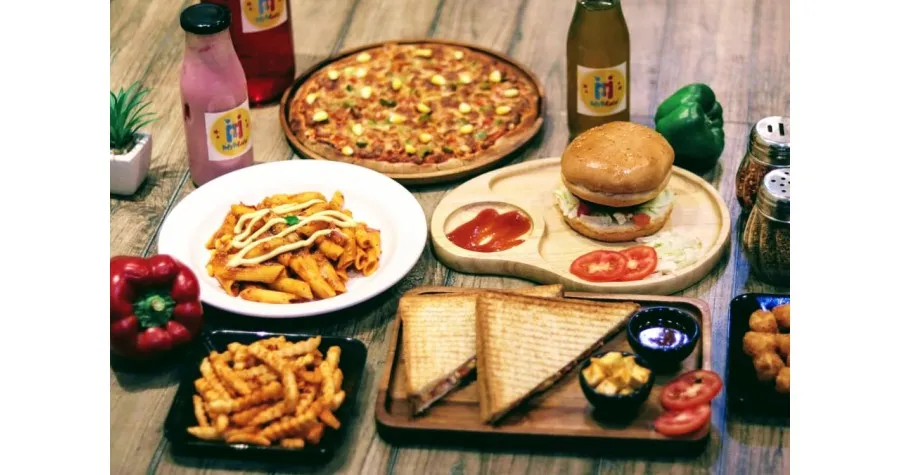
- Burgers and Sandwiches
- Pizzas and Pastas
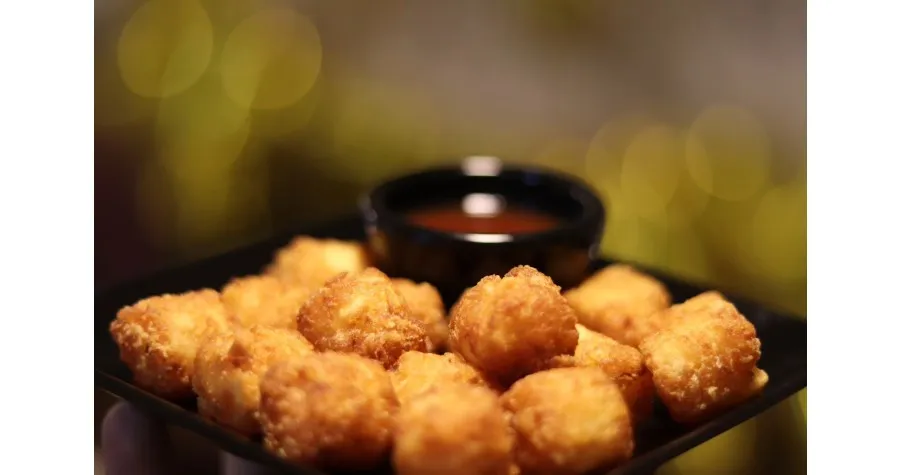
- Quick Bites and Snacks
- Beverages
- Desserts
This diversified menu allows outlets to cater to different customer preferences within a single format.
4. Franchise Partnership Structure
The franchise model is designed for operational simplicity and replication.
Franchise Partner Role
- Manage daily outlet operations
- Oversee food preparation and service
- Maintain quality and hygiene standards
- Handle local marketing and customer engagement
Franchisor Role
- Provide standard operating procedures (SOPs)
- Offer menu design and product guidelines
- Support training and operational setup
- Assist with brand positioning and marketing
Outlets operate under standardized processes to maintain consistency across locations.
5. Investment and Startup Costs
The entry cost is positioned at a relatively low level compared to typical QSR brands.
Key cost components include:
- Franchise fee
- Kitchen setup and equipment
- Interior setup and branding
- Initial inventory and working capital
Royalty is structured as a percentage of revenue, contributing to brand support, system updates, and ongoing operational guidance.
6. Outlet Setup Requirements
| Space | 150–300 sq. ft. suitable for compact outlets |
|---|---|
| Location | High footfall areas such as markets, colleges, or commercial zones |
| Equipment | Basic QSR kitchen equipment for multi-item preparation |
| Staffing | Small team for cooking, order handling, and service |
The model is designed for compact setups with efficient space utilization.
7. Franchise Support Systems
Support systems focus on operational consistency and ease of execution:
- Initial training covering kitchen operations and service flow
- Assistance in outlet setup and launch
- Standardized recipes and preparation methods
- Marketing and branding support
- Continuous operational guidance
These systems help reduce the complexity of running a food outlet.
8. Revenue Model and Profit Drivers
Revenue is driven by:
- High-volume sales of affordable food items
- Cross-selling across menu categories
- Repeat customer visits driven by convenience and pricing
Key profitability factors include:
- Location footfall
- Speed of service and order turnover
- Cost control in ingredients and operations
- Menu pricing strategy
The expected payback period falls within the 1–2 year range, depending on sales volume and operational efficiency.
9. Brand Background and Expansion
- Established in 2014 as a QSR concept
- Franchising began in 2020
- Initial growth includes a small network of outlets in select locations
- Expansion strategy focuses on scaling through franchise-led growth
The model is designed to expand in urban and semi-urban markets.
10. What Makes This Franchise Different
Unlike single-product QSR formats, this concept combines multiple fast-food categories within a compact outlet. This reduces dependency on a single product line and increases average order value by enabling combination purchases across categories such as burgers, pizzas, and beverages.
Advantages of the Franchise
- Multi-category menu increases customer appeal
- Low investment compared to typical QSR brands
- Compact outlet format reduces rental costs
- Standardized operations simplify execution
- Repeat purchase potential from local customer base
11. Who Should Consider This Franchise
This opportunity is suitable for:
- First-time entrepreneurs entering the food business
- Small investors looking for low-cost retail formats
- Individuals targeting student or urban food markets
- Operators seeking compact, easy-to-manage outlets
- Existing food business owners expanding their portfolio
13. Similar Franchise Opportunities
Entrepreneurs evaluating QSR franchise options may also consider:
- Subway
- Domino’s Pizza
- Burger King
- Wow! Momo
- HungerBox
These brands represent comparable formats within the quick service restaurant and fast-food segment.
What investment is required for Mymate franchise?
The investment typically ranges between INR 2 lakh and 5 lakh, including setup, equipment, and initial operational costs. The relatively low capital requirement makes it accessible for small investors entering the quick service restaurant segment.
How does the Mymate franchise operate?
The franchise operates as a quick service restaurant with counter-based ordering and fast food preparation. Standardized recipes and processes ensure consistent product delivery, while revenue is generated through high-frequency, quick-turnover customer orders.
What space is required to start the franchise?
A compact area of 150 to 300 sq. ft. is sufficient to operate the outlet. The format is designed for small spaces, making it suitable for high-footfall areas such as markets, commercial streets, and near educational institutions.
How long does it take to recover the investment?
The expected payback period is around one to two years. Recovery depends on factors such as location, daily sales volume, cost management, and operational efficiency within the outlet.
How can investors apply for the franchise?
Investors can apply by contacting the brand and completing the onboarding process. After approval, franchisees receive training, setup support, and operational guidelines before launching the outlet. ## 13. Similar Franchise Opportunities
