


Mummy’S Kheer Franchise
Brand & Franchise Snapshot
| Brand Name | Mummy’S Kheer |
|---|---|
| Industry | Food & Beverage |
| Business Category | Quick Service Restaurants |
| Founded Year | 2025 |
| Franchise Started Year | 2025 |
| Total Franchise Outlets | 10 – 20 |
| Estimated Investment | INR 2 Lakh – 5 Lakh |
| Franchise Fee | INR 25,000 |
| Royalty Fee | Information not specified; typically covers brand usage, training, and supply chain support |
| Space Requirement | 200 – 400 sq. ft. |
| Staff Requirement | Small team (2–5 staff recommended depending on outlet format) |
| Expected Payback Period | 1–2 Years |
1. What is Mummy’S Kheer?
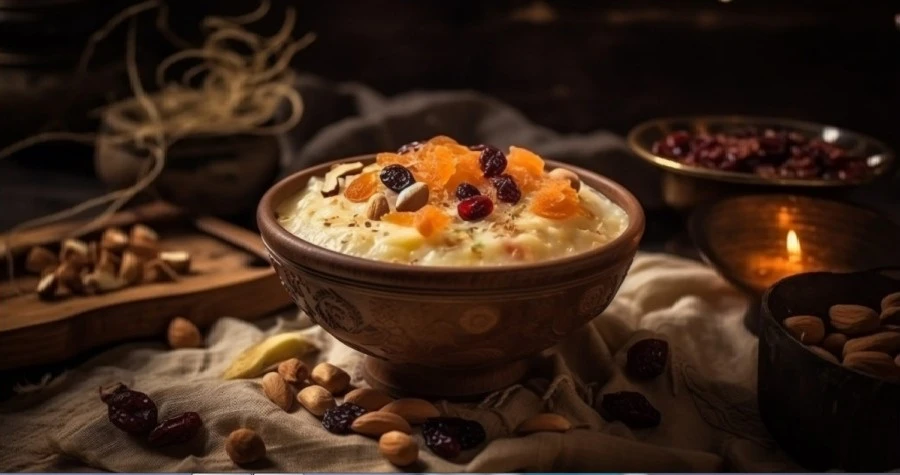
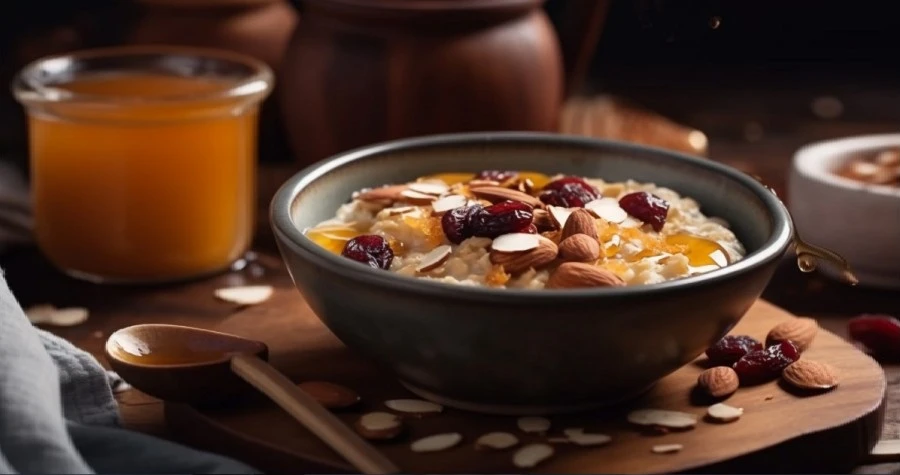
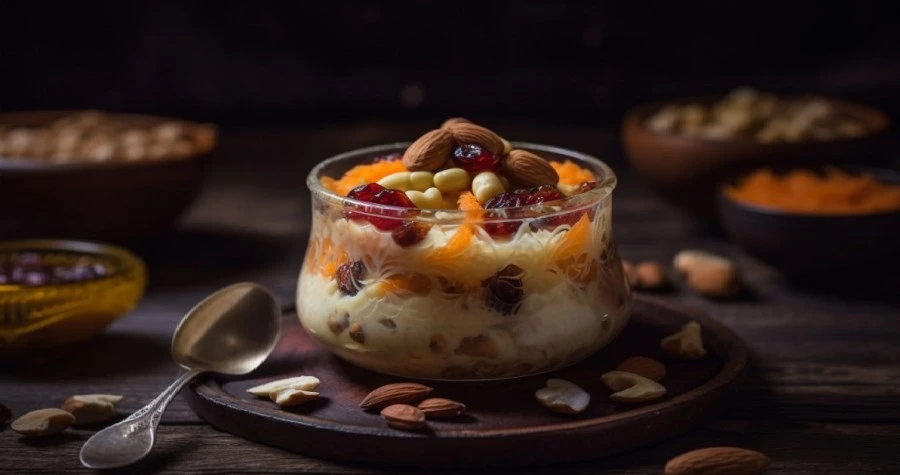
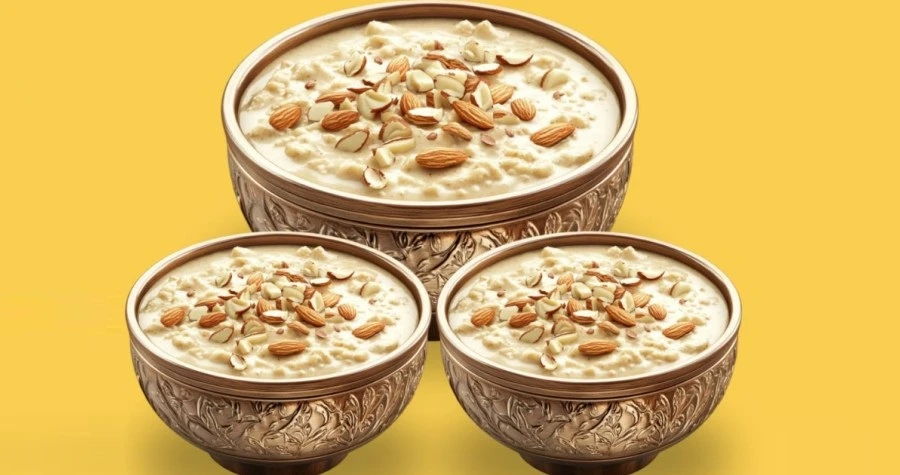
Mummy’S Kheer is a specialized dessert franchise offering authentic Indian kheer and traditional sweets. It operates in the F&B sector, targeting families, food enthusiasts, and catering clients. The franchise falls under the broader quick service restaurant and dessert-focused franchise category, emphasizing nostalgia, quality ingredients, and traditional preparation techniques.
2. How the Business Works
Customers can order from in-store kiosks, cloud kitchens, or delivery platforms. Staff prepare desserts using traditional slow-cooking methods, followed by packaging or serving in retail counters. Revenue is generated from individual orders, catering services, and bulk event orders. The operational workflow combines food preparation, quality control, customer service, and timely delivery.
3. Products or Services Offered
Core Offerings
- Classic Rice Kheer
- Dry Fruit Kheer
- Corn (Makka) Kheer
- Saffron (Kesar) Kheer
- Coconut Kheer
- Gulab (Rose) Kheer
- Seasonal Fruit Kheer
- Gur (Jaggery) Kheer
Additional services include customized dessert catering for events, live kheer counters, and special flavors on demand.
4. Franchise Structure and Operating Model
| Franchise Partner Role | Operate kiosk, retail, or cloud kitchen; manage orders and staff; ensure quality |
|---|---|
| Operational Responsibilities | Food preparation, hygiene compliance, customer interactions, local marketing |
| Franchisor Role | Provide recipes, ingredient sourcing, training, branding, and marketing support |
| Operational Expectations | Maintain traditional preparation methods, uphold food safety standards, deliver consistent taste and customer experience |
5. Franchise Cost and Investment
| Estimated Investment | INR 2 Lakh – 5 Lakh |
|---|---|
| Franchise Fee | INR 25,000 |
Typical Costs Include
- Equipment for cooking and packaging
- Initial ingredient inventory
- Outlet setup and display
- Marketing and local promotions
- Staff training
6. Space and Setup Requirements
| Space Requirement | 200 – 400 sq. ft. |
|---|---|
| Preferred Locations | High-footfall areas such as malls, food courts, commercial hubs, or cloud kitchen spaces |
| Equipment Needs | Cooking vessels for slow-cooking kheer, storage, serving counters, packaging tools |
| Staffing Considerations | 2–5 personnel depending on outlet size and service volume |
7. Franchise Support Systems
Franchisor provides:
- Operational and culinary training
- Assistance in setting up outlets and kitchens
- Ingredient sourcing and supply chain support
- Marketing guidance and branding resources
- Ongoing operational consultation and quality audits
8. Revenue Model and ROI Factors
| Revenue Sources | In-store sales, delivery platforms, event catering, seasonal promotions |
|---|---|
| Demand Drivers | Traditional desserts, festivals, family gatherings, gifting |
| Repeat Purchase Potential | High during festivals and recurring catering orders |
| Operational Costs | Ingredients, staff, rent, and utilities |
Expected Payback: 1–2 years due to high-margin, low-capital dessert business.
9. Brand Background and Expansion
Founded and franchised in 2025, Mummy’S Kheer is a new entrant in the traditional Indian dessert sector. Expansion focuses on high-visibility kiosks, cloud kitchens, and small retail outlets. The brand strategy emphasizes consistent taste, traditional methods, and emotional branding to grow rapidly across urban and suburban markets.
10. What Makes This Franchise Different
Mummy’S Kheer differentiates itself by combining traditional slow-cooked Indian desserts with scalable franchise operations. Unlike standard sweet shops or modern dessert chains, it focuses on authenticity, emotion-driven branding, and versatile service formats (kiosks, cloud kitchens, catering) which allow franchisees to serve both retail and bulk orders efficiently.
11. Key Advantages of the Franchise
- High demand for traditional desserts with emotional value
- Scalable model through kiosks, retail, and cloud kitchens
- Repeat purchase potential via festivals and catering
- Strong operational and recipe support
- Opportunity for rapid expansion in urban markets
12. Who Should Consider This Franchise
- Entrepreneurs interested in F&B and desserts
- First-time franchise owners seeking low-capital models
- Investors targeting seasonal and recurring demand segments
- Individuals with interest in traditional culinary products and catering services
Similar Franchise Opportunities
- Giani’s Dessert House
- Haldiram’s Quick Serve
- Kesar Da Dhaba Sweets
- Sweet Truth
- The Bengali Sweet Shop
These brands provide comparable opportunities in the Indian traditional dessert segment, offering mix of retail, catering, and delivery formats for investors seeking F&B franchises with cultural and emotional appeal.
What is the investment required for Mummy’S Kheer franchise?
Investment ranges from INR 2 Lakh – 5 Lakh, covering franchise fee, equipment, initial ingredient inventory, and outlet setup. The low-capital model is suitable for small-format kiosks, cloud kitchens, or compact retail outlets.
How does the Mummy’S Kheer franchise operate?
Franchisees manage small-format outlets or cloud kitchens, prepare authentic kheer and traditional desserts, serve customers in-store or via delivery, and provide catering services. Franchisor supports with recipes, supply chain, training, and marketing guidance.
What space is required for the franchise?
Outlets require 200–400 sq. ft., suitable for kiosk or small retail setups, with kitchen and serving space adequate for preparation, packaging, and display.
How long does it take to recover the investment?
Expected payback period is 1–2 years, supported by low overheads, high-margin products, and demand spikes during festivals and catering events.
How can investors apply for the franchise?
Investors can apply by contacting the franchisor, completing the agreement, receiving operational and culinary training, setting up the outlet, and accessing ongoing support for marketing and operations. ## Similar Franchise Opportunities
