



Mudball Franchise
Brand & Franchise Snapshot
| Brand Name | Mudball |
|---|---|
| Industry / Business Category | Skill Development / Music Education & Retail |
| Founded Year | 2024 |
| Franchise Started Year | 2024 |
| Total Franchise Outlets | 1–10 |
| Estimated Investment | INR 10 Lakh – 20 Lakh |
| Franchise Fee | Typically includes brand onboarding, training systems, and operational setup support |
| Royalty Fee | 10% on revenue for ongoing support and brand usage |
| Space Requirement | 800–1000 Sq.ft |
| Staff Requirement | Music instructors, sales staff, and administrative support |
| Expected Payback Period | 1–2 Years |
1. What is Mudball?
Mudball is a music education and instrument retail business that operates within the skill development and creative arts franchise category. It offers structured music training along with the sale of musical instruments, serving students, hobbyists, and aspiring musicians across different age groups and skill levels.
2. Operating Concept
The business combines a training institute with a retail setup. Customers enroll in music classes or purchase instruments and accessories. The operational workflow includes student enrollment, scheduled lessons, instrument demonstrations, and sales transactions. Revenue is generated through course fees, instrument sales, and participation in workshops or events.
3. Products or Service Categories
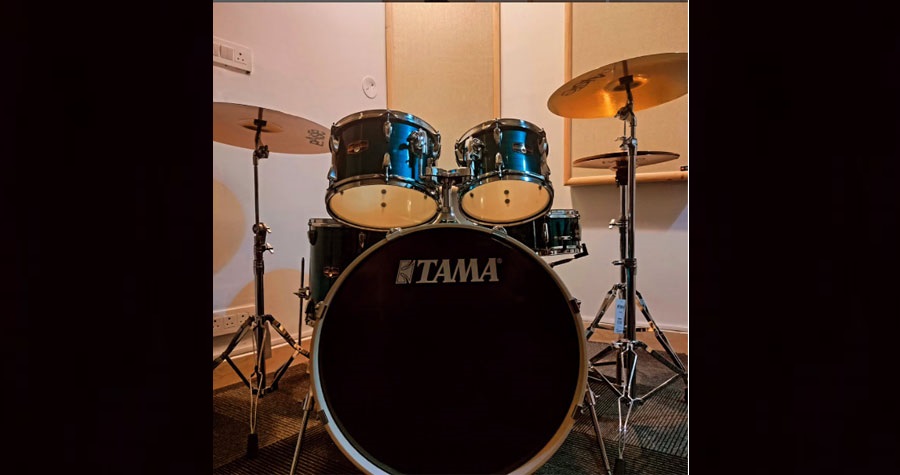
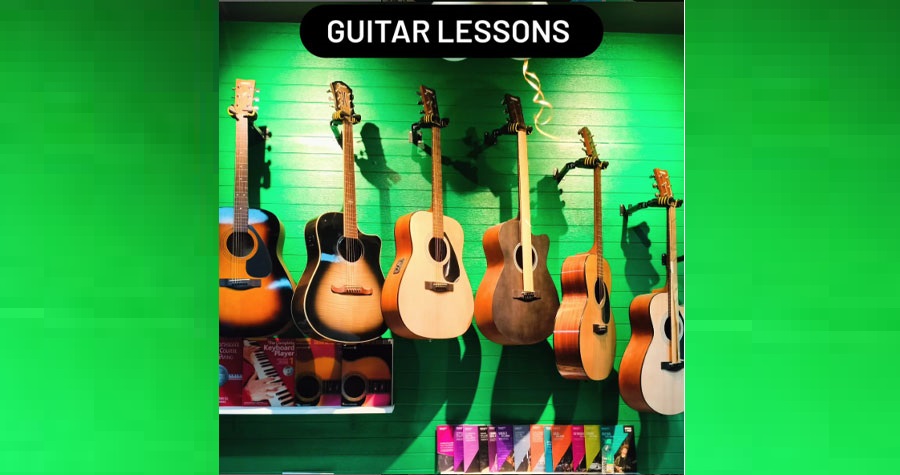
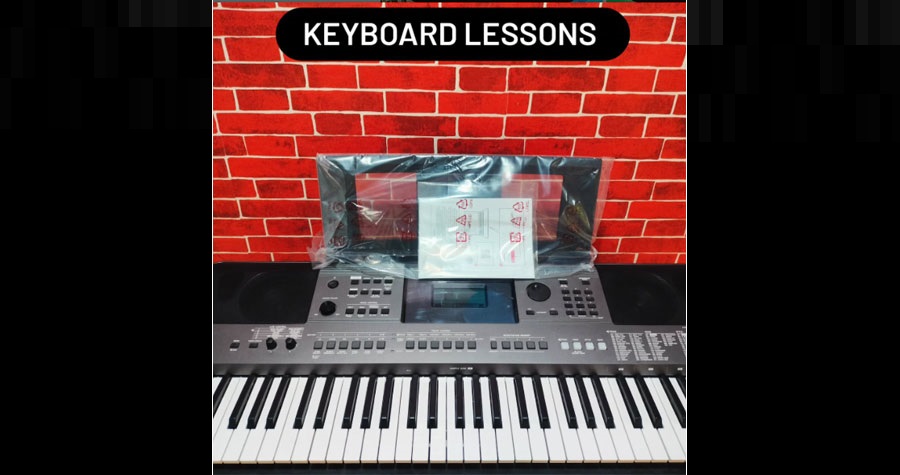
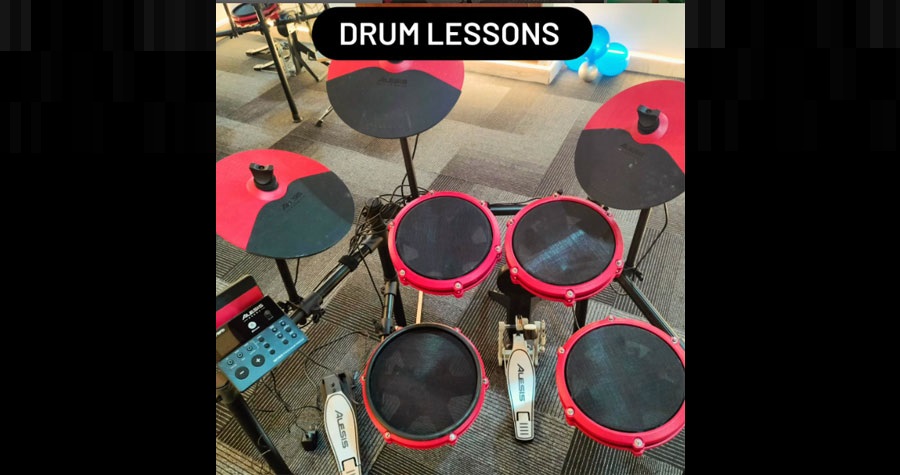
| Music Education Programs | Training in instruments such as guitar, piano, drums, vocals, and strings |
|---|---|
| Instrument Sales | Guitars, keyboards, drums, violins, and other musical instruments |
| Accessories & Equipment | Amplifiers, strings, pedals, and music accessories |
| Workshops & Events | Masterclasses, recitals, and collaborative music sessions |
| Specialized Training | Beginner to advanced level courses tailored to individual learning paths |
4. Franchise Partnership Structure
| Role of Franchise Partner | Operate the center, manage instructors, and oversee retail and training activities |
|---|---|
| Operational Responsibilities | Student acquisition, class scheduling, inventory management, and event coordination |
| Franchisor-Franchisee Interaction | Curriculum guidance, instructor training support, and operational systems |
| Business Model | Dual revenue model combining education services and retail product sales |
5. Investment and Startup Costs
| Estimated Investment | INR 10 Lakh – 20 Lakh including setup and working capital |
|---|---|
| Franchise Fee | Covers brand association, training systems, and onboarding support |
| Setup Costs | Interiors, classrooms, instruments, and retail display infrastructure |
| Royalty Payments | 10% of revenue, typically used for brand support, curriculum updates, and operational assistance |
6. Outlet Setup Requirements
| Space Requirement | 800–1000 Sq.ft to accommodate classrooms and retail display |
|---|---|
| Preferred Locations | Urban residential areas, educational hubs, or commercial zones |
| Equipment Needs | Musical instruments, sound systems, seating arrangements, and teaching aids |
| Staffing Considerations | Qualified instructors for different instruments and support staff for operations |
7. Franchise Support Systems
- Structured curriculum and teaching methodologies
- Training support for instructors and operational staff
- Assistance with center setup and layout planning
- Marketing support for student acquisition and local promotion
- Ongoing operational guidance and program updates
8. Revenue Model and Profit Drivers
| Revenue Sources | Course fees, instrument sales, and workshop participation |
|---|---|
| Pricing Model | Fee-based education combined with product sales margins |
| Demand Drivers | Growing interest in creative skills, music education, and hobby learning |
| Repeat Customer Potential | High due to long-term learning programs and ongoing instrument needs |
| Operational Cost Factors | Instructor salaries, rent, inventory procurement, and utilities |
| Expected Payback Period | 1–2 years depending on enrollment and sales performance |
9. Brand Background and Expansion
| Founded | 2024 |
|---|---|
| Franchise Launch | 2024 |
| Network Size | 1–10 outlets |
| Geographic Presence | Early-stage development with expansion focus on urban markets |
| Expansion Goals | Build a network of music learning centers and expand retail presence for instruments |
10. What Makes This Franchise Different
Mudball integrates music education with instrument retail within a single operational unit. This dual structure allows cross-selling opportunities—students often purchase instruments, while buyers may enroll in courses—creating multiple revenue streams and improving customer retention compared to standalone music schools or retail stores.
Advantages of the Franchise
- Increasing demand for skill-based and creative education
- Dual revenue streams from training and product sales
- High customer retention through long-term learning programs
- Opportunities to build community engagement through events
- Scalable model across urban and education-focused locations
11. Who Should Consider This Franchise
- Entrepreneurs interested in education or creative industries
- Individuals with a background in music or training services
- Investors seeking service-based businesses with recurring revenue
- Operators targeting youth, students, and hobby learners
13. Similar Franchise Opportunities
- Furtados School of Music
- Tansen Sangeet Mahavidyalaya
- Guitar Hall Franchise
- Calcutta School of Music
- Bajaao Music Retail & Academy
These brands operate in the music education and instrument retail segment, offering comparable opportunities in skill development and creative learning markets.
What investment is required for Mudball franchise?
The investment ranges between INR 10 Lakh and 20 Lakh, covering setup costs, instruments, interiors, and working capital. The model is designed for combined education and retail operations.
How does the Mudball franchise operate?
Franchisees run a music training center alongside an instrument retail section. Revenue is generated through course enrollments, instrument sales, and participation in workshops or events.
What space is required to start the franchise?
A space of 800–1000 Sq.ft is required to accommodate classrooms, practice areas, and retail display zones.
How long does it take to recover the investment?
The expected payback period is around 1–2 years, depending on student enrollments, retail sales, and operational efficiency.
How can investors apply for the franchise?
Interested investors can connect with the brand to initiate the onboarding process, including evaluation, agreement, and setup assistance before launching operations. ## 13. Similar Franchise Opportunities
