



Mrigaya Biryani Franchise
Brand & Franchise Snapshot
| Brand Name | Mrigaya Biryani |
|---|---|
| Industry | Food & Beverage |
| Business Category | Other Home Service (Specialty Biryani) |
| Founded Year | 2019 |
| Franchise Started | 2022 |
| Total Franchise Outlets | 1–10 |
| Estimated Investment | INR 10 Lakh – 20 Lakh |
| Franchise Fee | INR 6,00,000 |
| Royalty Fee | 6% |
| Space Requirement | 200–300 sq.ft |
| Staff Requirement | Kitchen and service staff suitable for QSR-style operations |
| Expected Payback Period | 1–2 years |
1. What is Mrigaya Biryani?
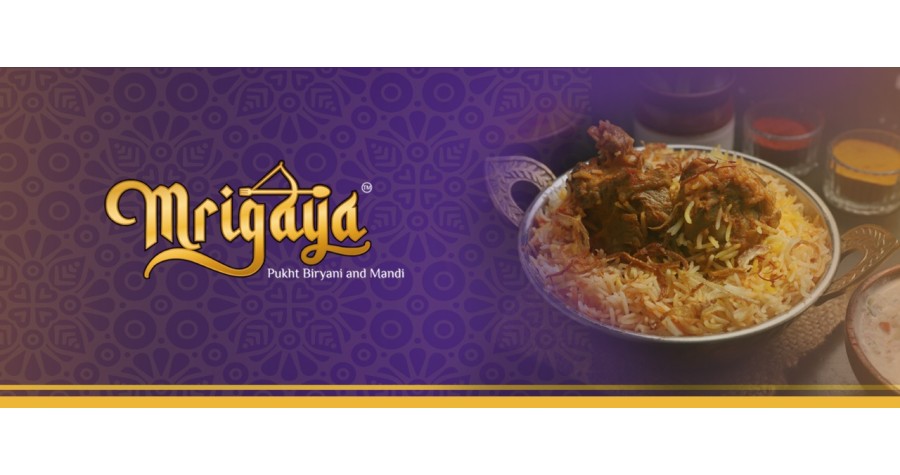
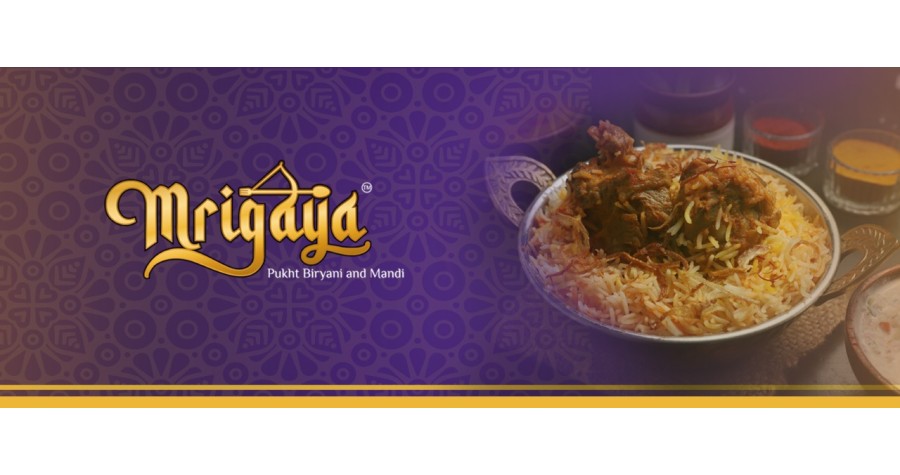
Mrigaya Biryani is a culinary brand focused on authentic Indian Biryani, operating in the food and beverage sector. It specializes in traditional regional Biryani varieties prepared using time-honored techniques like Dum cooking in copper vessels. The brand serves consumers seeking authentic, high-quality, and flavorful meals in a QSR or delivery format.
2. Operating Concept
The franchise operates as a quick-service specialty outlet. Customers place orders at the counter or via delivery apps. The kitchen team prepares dishes using standardized, authentic recipes with premium ingredients. Revenue is generated from direct sales at the outlet, online orders, and catering services, with process efficiency and ingredient quality being key to profitability.
3. Products or Service Categories
| Signature Biryani Varieties | Hyderabadi, Awadhi, Kolkata, and other regional Biryani |
|---|---|
| Specialty Dum Biryani | Slow-cooked with traditional spices in copper laagans |
| Accompaniments | Raita, chutneys, and select side dishes |
| Catering & Bulk Orders | For events, offices, or celebrations |
4. Franchise Structure and Operating Model
Franchise partners operate outlets following Mrigaya Biryani’s standardized operational guidelines. Responsibilities include daily management, staff oversight, and maintaining quality and hygiene standards. The franchisor provides recipes, ingredient sourcing channels, and operational protocols to ensure consistency across locations.
5. Franchise Cost and Investment
| Estimated Investment | INR 10–20 Lakh covering kitchen setup, inventory, and operational expenses |
|---|---|
| Franchise Fee | INR 6,00,000 for brand rights and onboarding |
| Royalty Fee | 6% of sales |
| Setup Costs | Include kitchen equipment, interior fittings, and initial working capital |
| Revenue Potential | Dependent on outlet size, location, and customer traffic |
6. Space and Setup Requirements
| Space | 200–300 sq.ft suitable for small-to-medium outlets |
|---|---|
| Preferred Locations | High footfall areas, near business districts, malls, or delivery hubs |
| Equipment Needs | Standard QSR kitchen equipment for Biryani preparation and serving |
| Staffing Considerations | Chefs, kitchen assistants, and counter staff appropriate for outlet scale |
7. Franchise Support Systems
Franchisees receive structured support including:
| Recipe & Process Training | Authentic Biryani preparation and regional variations |
|---|---|
| Supply Chain Access | Premium ingredients and spice blends |
| Operational Training | Kitchen management, hygiene, and service standards |
| Marketing Assistance | Local promotions and social media campaigns |
| Ongoing Guidance | Periodic audits and operational optimization |
8. Revenue Model and ROI Factors
Revenue is driven by Biryani sales and add-ons.
| Pricing Model | Value-aligned QSR pricing |
|---|---|
| Demand Drivers | Popularity of Biryani, quality ingredients, and authentic taste |
| Repeat Purchase Potential | Strong due to differentiated flavors and portion sizes |
| Operational Cost Factors | Labor, ingredients, rent, utilities |
| Expected Payback Period | 1–2 years depending on location and sales |
9. Brand Background and Expansion
Founded in 2019, Mrigaya Biryani launched franchising in 2022. The brand emphasizes traditional Biryani-making techniques, including copper laagans and Dum cooking. Its rapid growth to multiple outlets highlights strong consumer demand for authentic, high-quality Biryani, with plans for further expansion in urban markets.
10. What Makes This Franchise Different
Mrigaya Biryani combines traditional Biryani techniques with standardized operational systems. Its use of copper cooking vessels and slow-cooking Dum methods ensures authenticity and consistency, differentiating it from typical fast-food or QSR models.
Advantages of the Franchise
- High demand for authentic Biryani
- Scalable outlet operations
- Strong repeat customer base due to flavor consistency
- Comprehensive operational and supply chain support
- Potential for growth in urban and delivery-focused markets
11. Who Should Consider This Franchise
- Entrepreneurs passionate about Indian cuisine and specialty foods
- Investors targeting high-demand, niche food categories
- Restaurateurs looking for manageable outlet sizes with premium products
- Individuals seeking QSR concepts with authentic culinary differentiation
13. Similar Franchise Opportunities
- Biryani By Kilo
- Behrouz Biryani
- Paradise Biryani
- Shah Ghouse Biryani
- Wow! Momo
These represent comparable opportunities in the specialty rice and QSR segment focused on authentic regional flavors.


What investment is required for Mrigaya Biryani franchise?
Investment ranges from INR 10–20 Lakh, including franchise fee, kitchen setup, inventory, and initial working capital necessary to start operations.
How does the Mrigaya Biryani franchise operate?
Franchisees follow standardized recipes, manage outlets, maintain hygiene, and ensure customer satisfaction. Support includes ingredient sourcing, training, and operational protocols.
What space is required to start the franchise?
Outlets typically require 200–300 sq.ft, sufficient for kitchen setup, cooking, and serving areas for QSR operations.
How long does it take to recover the investment?
Payback is estimated at 1–2 years depending on outlet location, customer volume, and operational efficiency.
How can investors apply for the franchise?
Interested parties contact the franchisor to complete the application, secure a location, and receive onboarding support including training and operational setup. ## 13. Similar Franchise Opportunities
