


Momo’S Mealbox Franchise
Brand & Franchise Snapshot
| Brand Name | Momo’s Mealbox |
|---|---|
| Industry / Business Category | Quick Service Restaurants (Momos & Street Food) |
| Founded Year | 2017 |
| Franchise Started Year | 2019 |
| Total Franchise Outlets | 10–20 |
| Estimated Investment | INR 10–20 Lakh |
| Franchise Fee | INR 3,00,000 |
| Royalty Fee | Typically part of operational costs; not explicitly specified |
| Space Requirement | 150–350 sq. ft. |
| Staff Requirement | 3–6 employees per outlet |
| Expected Payback Period | 1–2 years |
1. What is Momo’s Mealbox?
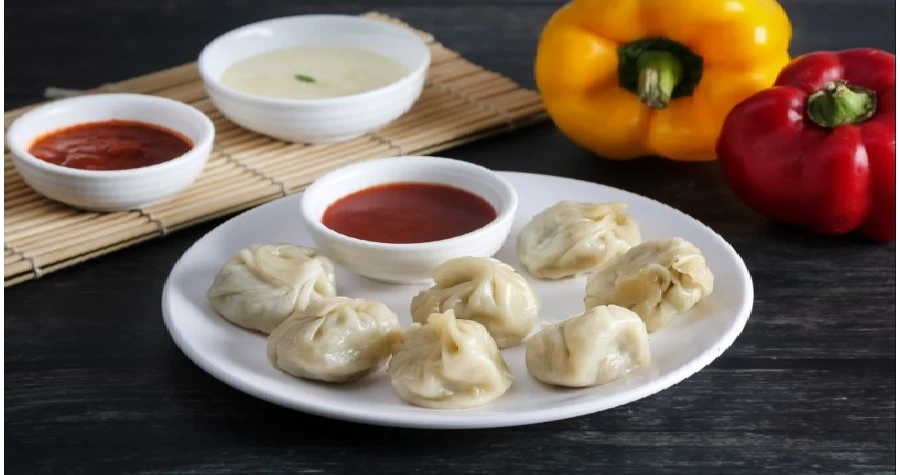
Momo’s Mealbox is a quick-service restaurant brand specializing in freshly prepared momos. Operating in the QSR sector, it caters to urban and health-conscious customers seeking authentic Himalayan-style dumplings. The franchise offers traditional, baked, steamed, and pan-fried options, including vegetarian, vegan, and non-vegetarian varieties, creating a broad menu suited for diverse customer preferences.
2. How the Business Works
Customers place orders at the outlet or through online delivery channels. The kitchen prepares momos fresh daily, using standardized recipes for consistency. Steaming, frying, and baking are used to provide varied textures. Revenue is generated through direct sales, combo meals, and online orders. Operational efficiency is maintained with batch cooking and streamlined service workflows.
3. Products or Service Categories
| Steamed Momos | Chicken, paneer, vegetables, vegan options |
|---|---|
| Fried Momos | Crispy chicken, vegetable mixes |
| Baked Momos | Low-oil options for health-conscious customers |
| Specialty Variants | Cheese, tandoori, fusion flavors |
| Dessert Momos | Chocolate, sweet fillings |
| Accompaniments | Signature sauces, chutneys, and dips |
4. Franchise Structure and Operating Model
| Franchise Partner Role | Manage daily outlet operations, inventory, and staff |
|---|---|
| Operational Responsibilities | Prepare menu items as per recipes, maintain hygiene, and ensure consistent service |
| Interaction with Franchisor | Training, operational guidance, and marketing support |
| Operational Expectations | Maintain quality, efficiency, and customer satisfaction while adhering to brand standards |
5. Franchise Cost and Investment
| Estimated Investment | INR 10–20 Lakh covering outlet setup, equipment, and initial inventory |
|---|---|
| Franchise Fee | INR 3,00,000 |
| Setup Costs | Kiosk or small restaurant infrastructure, kitchen equipment, POS system, initial stock |
| Royalty Payments | Not explicitly defined; may be included in operational overheads |
6. Space and Setup Requirements
| Space Needed | 150–350 sq. ft., suitable for compact urban outlets |
|---|---|
| Location Preferences | High-traffic areas such as malls, food courts, offices, and college campuses |
| Equipment Needs | Steamers, fryers, ovens, prep counters, refrigeration, POS system |
| Staffing Considerations | 3–6 employees depending on outlet size and volume |
7. Training and Franchise Support
- Operational and culinary training covering food prep, hygiene, and service standards
- Assistance with outlet setup, kitchen design, and branding
- Marketing support including promotional campaigns, seasonal offers, and social media
- Ongoing guidance on quality control, menu execution, and operational efficiency
8. Revenue Model and ROI Factors
| Revenue Sources | On-site sales, online orders, combo meals, promotional offers |
|---|---|
| Pricing Model | Affordable, value-based to encourage repeat visits |
| Demand Drivers | Fresh ingredients, extensive menu variety, and health-conscious options |
| Operational Efficiency | Streamlined preparation, batch cooking, low wastage |
Expected payback period: 1–2 years due to high-demand product and small-to-medium outlet size.
9. Brand Background and Expansion
| Founded | 2017 |
|---|---|
| Franchise Launch | 2019 |
| Current Network | 10–20 outlets |
| Markets Served | Urban India |
| Expansion Strategy | Focus on high-footfall urban locations, franchise-led growth, and potential multi-city expansion |
10. What Makes This Franchise Different
Momo’s Mealbox differentiates itself through:
- A large, diverse menu of over 50 momo varieties
- Fresh, preservative-free, and health-conscious ingredient sourcing
- Combination of traditional and modern preparation methods (steamed, baked, pan-fried)
- Compact, scalable outlets designed for urban demand
This operational model balances quality, efficiency, and wide consumer appeal, setting it apart from typical small-scale momo vendors.
11. Key Advantages of the Franchise
- High market demand for freshly prepared, authentic momos
- Scalable outlet model suitable for small-to-medium spaces
- Strong potential for repeat business through menu variety and quality
- Franchisor support in operations, marketing, and training
- Opportunities for urban expansion and brand visibility
12. Who Should Consider This Franchise
- Entrepreneurs seeking entry into the QSR and street-food market
- Investors looking for compact, low-overhead outlets
- Operators focused on health-conscious and urban fast-food offerings
- Franchisees interested in a scalable, structured model with operational guidance
14. Similar Franchise Opportunities
- Momo Hut Cafe
- Momo Kings
- Momo Magic Cafe
- Momo Sharma
- Momo Streatz
These brands provide comparable investment levels, urban-focused QSR operations, and menu-driven repeat business opportunities.
What investment is required for Momo’s Mealbox franchise?
The total investment ranges from INR 10–20 Lakh, including outlet setup, equipment, initial stock, and franchise fee.
How does the Momo’s Mealbox franchise operate?
Franchisees manage day-to-day operations, prepare fresh momos per standardized recipes, maintain hygiene, and provide fast service for dine-in or online orders.
What space is required to start the franchise?
Outlets require 150–350 sq. ft., suitable for kiosk or small restaurant setups in high-traffic urban areas.
How long does it take to recover the investment?
The expected payback period is 1–2 years, depending on sales volume, location, and operational efficiency.
How can investors apply for the franchise?
Interested partners initiate an inquiry, complete evaluation, receive training, and proceed with outlet setup supported by the franchisor. ## 14. Similar Franchise Opportunities
