


Momai Ice Cream Franchise
Brand & Franchise Snapshot
| Brand Name | Momai Ice Cream |
|---|---|
| Industry | Ice Cream Manufacturing & Retail (Food & Beverage Franchise) |
| Founded | 1987 |
| Franchise Model | Ice cream retail and distribution outlets |
| Total Outlets | 1,000–10,000 |
| Estimated Investment | INR 10–20 Lakhs |
| Franchise Fee | Typically part of brand licensing and setup costs |
| Royalty Fee | May apply as a percentage of sales in franchise systems |
| Space Requirement | 250–300 sq. ft. |
| Staff Requirement | Small team for counter sales and basic operations |
| Expected Payback Period | 2–3 years |
1. What is Momai Ice Cream?
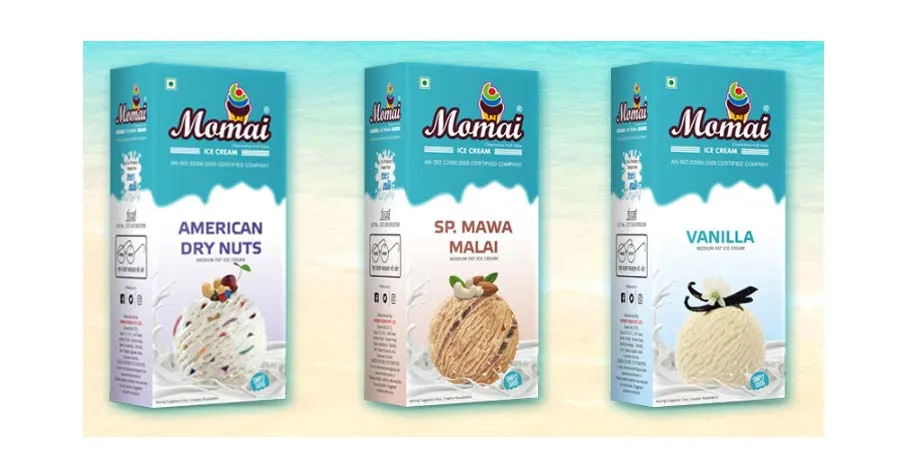
Momai Ice Cream is an Indian ice cream manufacturing and retail brand operating within the food and beverage franchise sector. The business focuses on producing and distributing a wide range of ice cream formats, including cups, cones, fruit-based variants, and traditional Indian frozen desserts.
The franchise operates as a quick-service dessert retail model, serving walk-in customers through compact outlets in urban and semi-urban locations.
2. How the Business Works
The business follows a production-to-retail distribution model where ice cream products are manufactured centrally and supplied to franchise outlets.
A typical customer journey involves:
- Walk-in purchase from a display counter or freezer
- Selection from ready-to-serve ice cream formats
- Immediate consumption or takeaway
Operational workflow includes:
- Receiving stock from centralized production units
- Maintaining cold storage and display freezers
- Handling direct retail sales
- Managing inventory turnover of perishable products
Revenue is generated through high-volume, low-ticket transactions, particularly during peak seasons such as summer and festive periods.
3. Products or Services Offered
Franchise outlets typically offer a structured range of ice cream products:
Core Categories
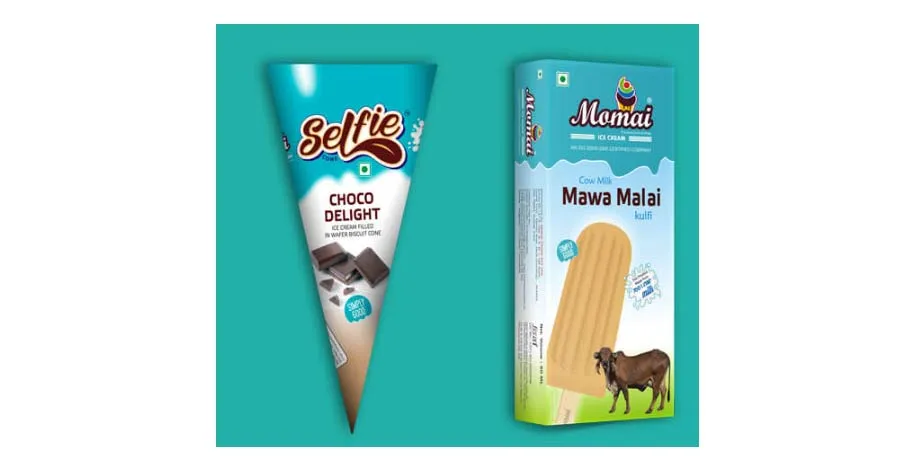
- Cup Ice Cream (single-serve formats)
- Ice Cream Cones
- Traditional Ice Cream Sticks (including kulfi-style variants)
Specialty Products
- Fresh Fruit Ice Cream
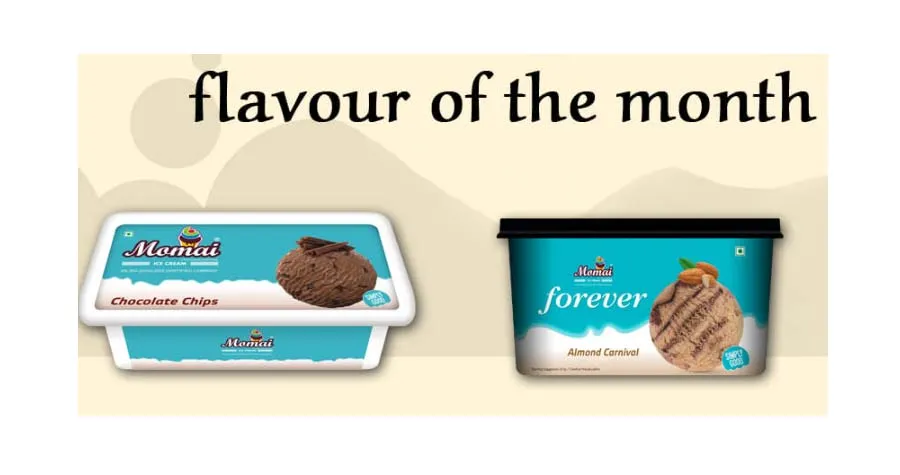
- Flavored Ice Cream varieties
- Soft Serve Ice Cream Mix (for machine-based dispensing)
This mix allows outlets to cater to both mass-market demand and localized taste preferences.
4. Franchise Structure and Operating Model
The franchise operates as a retail distribution partnership.
Franchisee Responsibilities
- Set up and manage the outlet
- Maintain product storage and hygiene standards
- Execute daily sales and customer service
- Manage staff and local operations
Franchisor Role
- Supply ice cream products
- Provide brand identity and product range
- Support with operational guidelines
The model is designed for standardized retail execution, where consistency in product quality and availability is essential.
5. Franchise Cost and Investment
The estimated investment for a Momai Ice Cream franchise ranges between INR 10 lakh to INR 20 lakh.
Typical cost components include:
- Outlet setup and interior fixtures
- Freezers, refrigeration units, and storage equipment
- Initial product inventory
- Brand licensing or franchise fee
- Working capital for daily operations
In food retail franchises, ongoing costs may include product procurement and potential royalty or margin-sharing structures, depending on the agreement.
6. Space and Setup Requirements
The business operates efficiently within a compact retail footprint.
Key Requirements
- ?????: 250–300 sq. ft.
- High footfall locations such as markets, near schools, or residential clusters
- Installation of deep freezers and display units
- Basic counter setup for serving customers
Staffing needs are minimal, typically involving 2–4 personnel for sales and handling operations.
7. Training and Franchise Support
Franchise partners generally receive operational support designed to standardize execution.
Support areas include:
- Product handling and storage training
- Guidance on outlet setup and layout
- Inventory and stock management practices
- Basic customer service processes
This support helps ensure consistent product quality and operational efficiency across locations.
8. Revenue Model and ROI Factors
Revenue is driven by daily retail sales of ice cream products, with strong seasonal spikes.
Key revenue drivers
- High impulse purchase behavior
- Affordable pricing encouraging repeat purchases
- Seasonal demand peaks (summer months)
- Product variety catering to different customer segments
The expected payback period is approximately 2 to 3 years, depending on location performance, sales volume, and operational efficiency.
9. Brand Background and Expansion
Established in 1987, Momai Ice Cream has expanded its presence across multiple cities in Gujarat and surrounding regions. The brand operates through a combination of manufacturing and distribution networks, enabling it to scale across urban and semi-urban markets.
With a large outlet network, the expansion strategy appears to focus on broad geographic coverage and high-volume retail penetration.
10. What Makes This Franchise Different
Unlike many ice cream brands that focus primarily on premium parlour experiences, this model emphasizes mass distribution with localized product adaptation.
The inclusion of traditional formats like kulfi-style sticks alongside modern ice cream products creates a hybrid offering, allowing outlets to appeal to both price-sensitive customers and those seeking variety. This dual positioning supports consistent demand across different customer segments.
11. Key Advantages of the Franchise
- Strong demand for affordable dessert products
- Scalable retail model with compact space requirements
- Wide product range catering to diverse preferences
- Repeat purchase potential driven by impulse buying
- Established supply chain and product distribution system
- Suitable for both urban and semi-urban markets
12. Who Should Consider This Franchise
This opportunity may suit:
- First-time entrepreneurs entering the food retail sector
- Small business owners looking for low to mid-investment ventures
- Retail operators seeking high footfall, quick-service formats
- Investors targeting seasonal but high-volume businesses
- Individuals interested in standardized, product-based retail models
Similar Franchise Opportunities
Investors exploring this category may also evaluate:
- Amul Ice Cream
- Kwality Walls
- Havmor Ice Cream
- Baskin Robbins
- Naturals Ice Cream
These brands operate within similar dessert and ice cream retail formats, offering comparable franchise models with variations in pricing, positioning, and product specialization.
Accepting franchise applications in 35 states & UTs
What is the investment required for Momai Ice Cream franchise?
The total investment typically ranges between INR 10 lakh and INR 20 lakh. This includes setup costs, refrigeration equipment, initial inventory, and working capital. The exact figure depends on location, outlet size, and infrastructure requirements.
How does the Momai Ice Cream franchise business operate?
The business operates as a retail outlet selling ready-made ice cream products supplied by the brand. Franchisees manage daily sales, storage, and customer service, while the brand supports with product supply and operational guidelines.
What space is required for the franchise?
An outlet generally requires around 250 to 300 square feet. Locations with strong foot traffic such as marketplaces or residential areas tend to perform better due to impulse buying behavior associated with ice cream products.
How long does it take to recover the investment?
The expected payback period is approximately 2 to 3 years. This depends on sales volume, seasonal demand, operating costs, and how effectively the outlet captures local market demand.
How can investors apply for the franchise?
Investors can typically apply by contacting the brand directly through its official channels or franchise development team. The process usually involves initial discussions, location evaluation, and agreement on investment and operational terms. ## Similar Franchise Opportunities
