



Mint Health Store Franchise
Brand & Franchise Snapshot
| Brand Name | Mint Health Store |
|---|---|
| Industry | Healthcare Retail |
| Business Category | Pharmacy & Medical Supplies |
| Founded | 2021 |
| Franchise Started | 2025 |
| Total Franchise Outlets | 1 – 10 |
| Estimated Investment | INR 20 – 30 Lakhs |
| Franchise Fee | Typically covers licensing, onboarding, and brand usage rights |
| Royalty Fee | Commonly structured as a percentage of sales or supply margin model |
| Space Requirement | 400 – 1500 sq. ft. |
| Staff Requirement | 3–8 staff including licensed pharmacist |
| Expected Payback Period | 1 – 2 years |
Understanding the Brand
Mint Health Store operates in the healthcare retail and medical supply segment, offering pharmaceutical products, surgical supplies, and wellness items through organized retail outlets. The business serves individual consumers, clinics, and healthcare institutions, and falls within the pharmacy franchise and medical distribution category.
The model combines retail pharmacy operations with broader healthcare product distribution.
2. Operating Concept
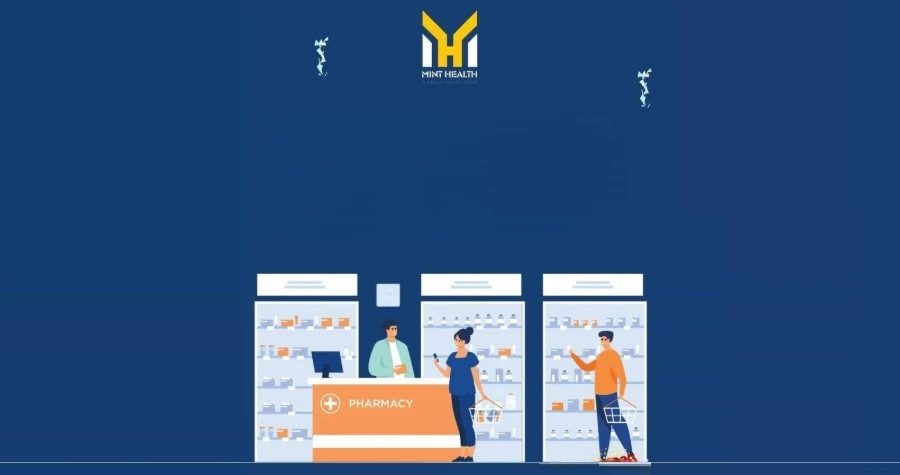
The business functions as a hybrid retail and supply-driven model.
- Customers visit the store or place orders for medicines and healthcare products
- Prescriptions are processed by qualified staff
- Products are dispensed directly or delivered through logistics networks
- Bulk orders from clinics or institutions may be fulfilled
Revenue is generated through product sales across prescription medicines, over-the-counter items, and medical equipment, with both retail and institutional demand contributing to turnover.
3. Products or Service Categories
The offering spans multiple healthcare segments.
Core categories include
- Prescription medicines and over-the-counter drugs
- Vitamins, supplements, and wellness products
- Surgical supplies such as gloves, syringes, and disposables
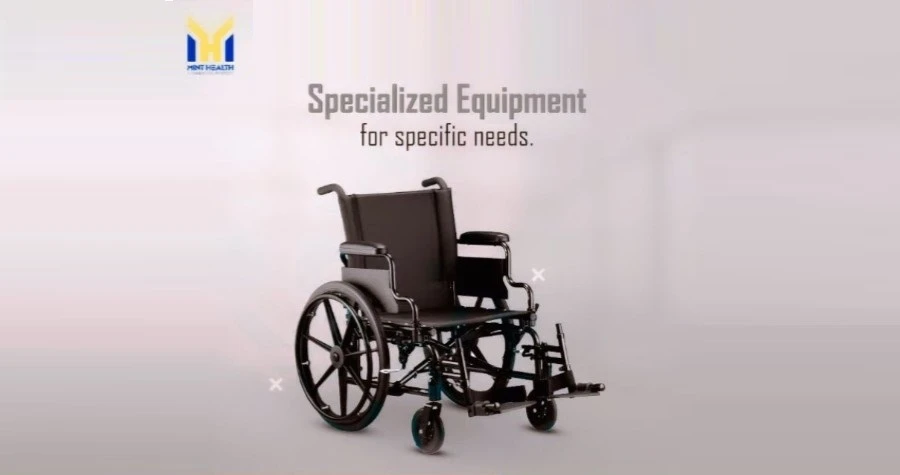
- Medical equipment including diagnostic and home-care devices
- Rehabilitation and orthopedic aids
This wide product range allows outlets to serve both everyday consumer needs and professional healthcare requirements.
4. Franchise Partnership Structure
The franchise operates as a standardized healthcare retail outlet supported by centralized sourcing.
Franchise partner responsibilities
- Managing store operations and inventory
- Ensuring compliance with pharmaceutical regulations
- Hiring qualified staff, including licensed pharmacists
- Handling customer service and local outreach
Franchisor responsibilities
- Supplying products through established vendor networks
- Providing operational systems and guidance
- Supporting store setup and branding
- Assisting with procurement and pricing structures
The relationship emphasizes compliance, supply chain reliability, and service consistency.
5. Investment and Startup Costs
The investment falls within the mid-range retail healthcare segment.
Typical cost components include
- Store setup and interior fixtures
- Licensing and regulatory approvals
- Initial inventory across multiple product categories
- Storage systems for medicines and equipment
- Working capital for daily operations
Franchise fees typically provide access to the brand and supply systems, while ongoing royalties or margins support continued operational support and procurement benefits.
6. Outlet Setup Requirements
The setup requires a regulated retail environment.
Key requirements
- Space between 400 – 1500 sq. ft.
- Location in residential areas, near hospitals, or commercial zones
- Storage systems for temperature-sensitive medicines
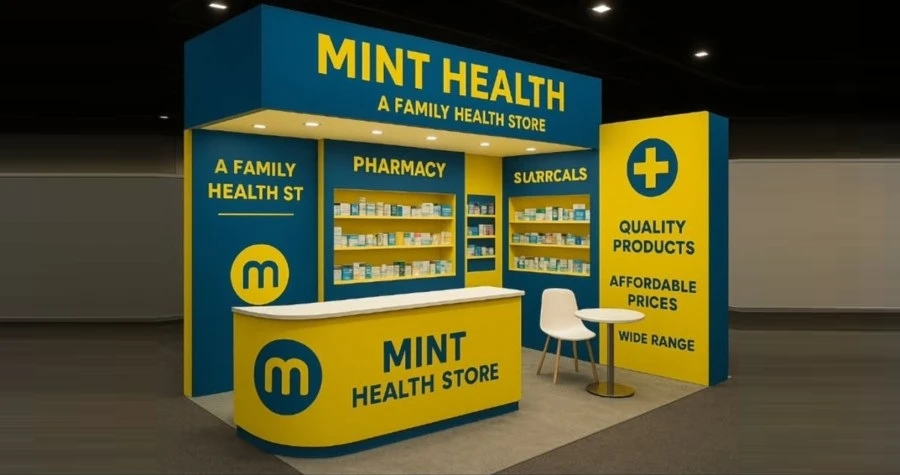
- Display shelving for retail products
- Licensed pharmacist and trained support staff
Compliance with healthcare regulations is a critical component of the setup.
7. Franchise Support Systems
The brand provides operational and supply chain support.
Support includes
- Guidance on regulatory compliance and licensing
- Product sourcing and inventory management systems
- Staff training for pharmacy operations
- Marketing and customer acquisition support
- Ongoing operational assistance
These systems help ensure accuracy, reliability, and consistency in healthcare service delivery.
8. Revenue Model and Profit Drivers
Revenue is generated through diversified healthcare product sales.
Key drivers include
- Daily demand for prescription medicines
- Recurring purchases of chronic medications
- Institutional orders from clinics and healthcare providers
- Sales of medical equipment and wellness products
Profitability depends on inventory turnover, supplier pricing, and the ability to serve both retail and bulk customers efficiently.
9. Brand Background and Expansion
The business was established in 2021 and has entered the franchise model in 2025. Its development reflects a shift from a local pharmacy setup toward a broader healthcare supply network.
Expansion plans focus on increasing presence across multiple regions by leveraging standardized retail outlets and distribution capabilities.
10. What Makes This Franchise Different
Unlike typical standalone pharmacies that focus only on retail medicine sales, this concept integrates retail pharmacy with surgical supply distribution and institutional sales.
This creates multiple revenue streams:
- Walk-in retail customers
- Bulk healthcare buyers
- Home healthcare product demand
The combination of retail and supply chain operations differentiates it from conventional pharmacy outlets.
Advantages of the Franchise
- Consistent demand driven by essential healthcare needs
- Multiple revenue streams across retail and institutional sales
- Scalable model adaptable to different location sizes
- Repeat purchase potential from regular medication users
- Structured supply chain support
- Alignment with growing healthcare consumption trends
11. Who Should Consider This Franchise
This opportunity may suit:
- Entrepreneurs entering the healthcare retail sector
- Pharmacists or healthcare professionals seeking business ownership
- Investors looking for essential-service businesses
- Existing pharmacy owners expanding operations
- Business operators interested in distribution-based models
13. Similar Franchise Opportunities
Investors evaluating pharmacy and healthcare retail franchises may also consider:
- Apollo Pharmacy
- MedPlus
- Guardian Pharmacy
- Wellness Forever
- Netmeds
These brands operate in the healthcare retail and pharmacy distribution segment, offering comparable franchise or retail investment opportunities.
Accepting franchise applications in 36 states & UTs
What investment is required for Mint Health Store franchise?
The estimated investment ranges between INR 20 lakh and INR 30 lakh. This includes store setup, licensing, inventory procurement, and working capital required to operate a pharmacy and medical supply outlet.
How does the Mint Health Store franchise operate?
The franchise operates as a retail pharmacy combined with a medical supply store. Customers purchase medicines and healthcare products directly, while bulk orders from clinics and institutions are also fulfilled through the outlet.
What space is required to start the franchise?
A space between 400 and 1500 square feet is generally required. Locations near residential areas, hospitals, or clinics are preferred to ensure consistent customer flow and accessibility.
How long does it take to recover the investment?
The expected payback period is around 1 to 2 years. Recovery depends on factors such as location demand, customer volume, inventory management, and the ability to serve both retail and institutional clients.
How can investors apply for the franchise?
Investors can apply by contacting the brand through official communication channels. The process typically includes location evaluation, compliance with regulatory requirements, and setting up the outlet according to prescribed operational standards. ## 13. Similar Franchise Opportunities
