



Mini Metro Ev Franchise
Brand & Franchise Snapshot
| Brand Name | Mini Metro EV LLP |
|---|---|
| Industry | Electric Vehicles (Last-Mile Mobility) |
| Founded | 2013 |
| Franchise Outlets | 200–500 locations |
| Estimated Investment | INR 5 – 10 Lakhs |
| Franchise Fee | Not specified (typically covers brand licensing and onboarding rights) |
| Royalty Fee | Not specified (usually a percentage of revenue or fixed periodic fee) |
| Space Requirement | 1200 – 1800 sq. ft. |
| Staff Requirement | Small operational team depending on sales/service scale |
| Expected Payback Period | 2 – 4 months |
1. What is Mini Metro EV?
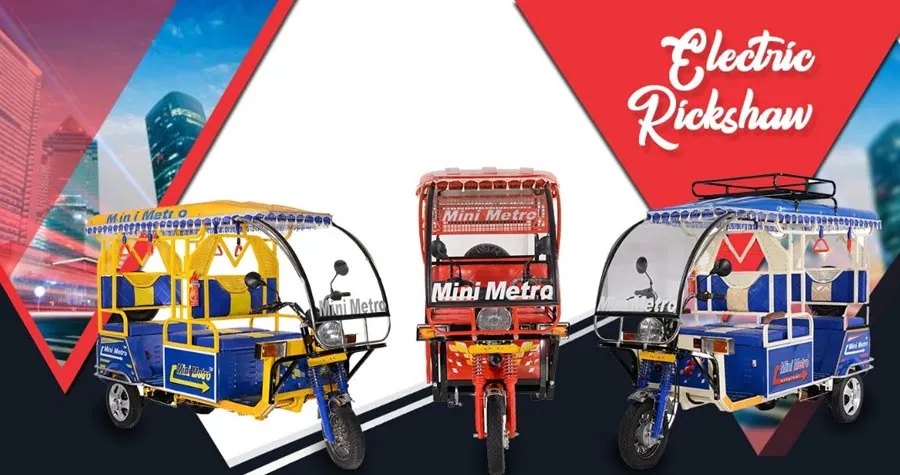
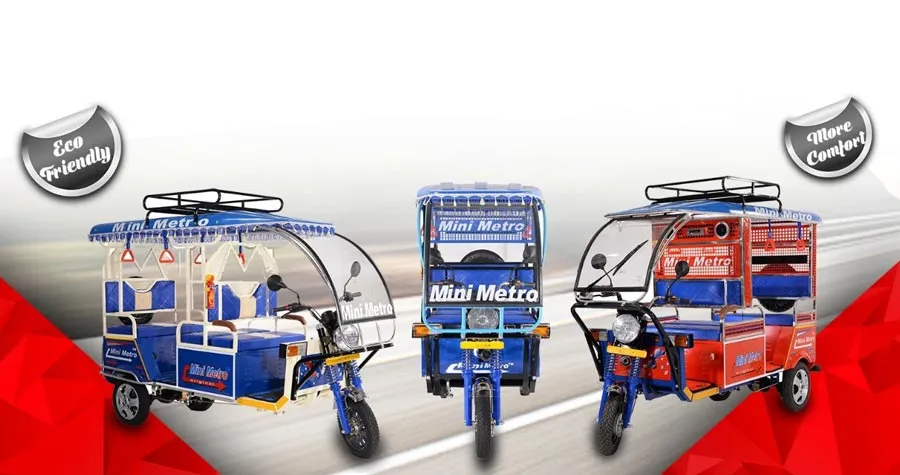
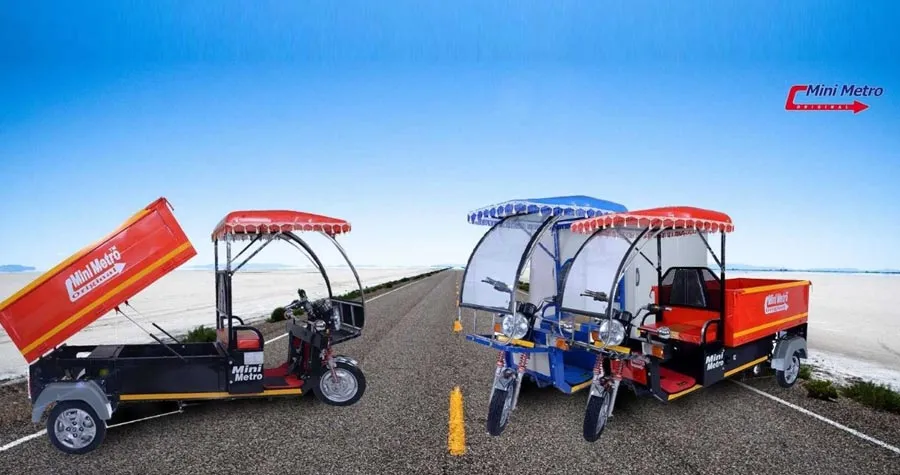
Mini Metro EV operates in the electric mobility sector, focusing on the manufacturing and distribution of electric rickshaws designed for last-mile transportation. The business functions within the broader category of EV manufacturing and dealership-based franchise models, serving transport operators, small business owners, and urban mobility users.
The franchise opportunity typically involves acting as a regional distributor or sales and service partner for electric rickshaws.
2. How the Business Works
The operational model centers around vehicle distribution and local market development.
- Franchise partners procure electric rickshaws from the company
- Vehicles are sold to individual drivers, fleet operators, or small transport businesses
- Revenue is generated through direct sales margins and potentially after-sales services
A typical customer journey includes inquiry, vehicle demonstration, purchase decision, and ongoing servicing support. The outlet may also handle spare parts and maintenance requests, creating additional revenue streams.
3. Products or Services Offered
Franchise outlets primarily deal in electric mobility solutions focused on short-distance transport.
Core offerings include
- Electric rickshaws designed for passenger transport
- Vehicles optimized for urban and semi-urban road conditions
- Spare parts and replacement components
- Basic servicing and maintenance support
The product line is positioned around durability, operational efficiency, and suitability for local road infrastructure.
4. Franchise Structure and Operating Model
The franchise operates as a distribution and local market expansion partnership.
Franchise partner responsibilities
- Setting up a sales and service outlet
- Managing local marketing and customer acquisition
- Handling vehicle sales and delivery
- Providing basic after-sales support
Franchisor responsibilities
- Supplying vehicles and product inventory
- Providing technical knowledge and product training
- Supporting marketing and branding initiatives
This structure allows the company to expand geographically while partners manage localized operations.
5. Franchise Cost and Investment
The investment required falls within the lower range compared to many automotive businesses.
Typical cost components include
- Initial inventory purchase (electric rickshaws)
- Showroom or yard setup
- Basic tools and service equipment
- Working capital for operations
Franchise systems in this category may include a brand usage fee or onboarding cost, while ongoing royalties—if applicable—are usually structured as a percentage of sales or fixed monthly charges.
6. Space and Setup Requirements
The business requires a moderate-sized commercial space.
Key requirements
- Area between 1200 – 1800 sq. ft.
- Accessible location with road visibility
- Space for vehicle display and storage
- Basic service area for maintenance
The setup typically includes a display section, storage area for vehicles, and a small service bay.
7. Training and Franchise Support
Support systems are designed to help partners operate efficiently in a technical product category.
Support includes
- Product and technical training
- Guidance on sales processes and customer handling
- Assistance with initial setup
- Marketing and promotional support
- Ongoing operational guidance
These systems help reduce the learning curve, especially for first-time entrants into the EV sector.
8. Revenue Model and ROI Factors
Revenue is primarily transaction-driven.
Key revenue drivers
- Margin on each vehicle sale
- Demand for affordable transport solutions
- Growth of electric mobility adoption
- Repeat business through referrals and fleet expansion
The relatively low investment combined with demand for income-generating vehicles contributes to a shorter payback window, particularly in regions with strong transport demand.
9. Brand Background and Expansion
Established in 2013, the company operates in the growing electric vehicle segment with a focus on last-mile transport solutions. Over time, it has expanded its presence across multiple regions through a franchise-based distribution model.
The network of outlets indicates ongoing expansion aligned with increasing adoption of electric mobility solutions in urban and semi-urban markets.
10. What Makes This Franchise Different
Unlike traditional automobile dealerships that depend heavily on high-value vehicle sales, this model is built around income-generating assets for end users. Electric rickshaws are often purchased as livelihood tools rather than discretionary products.
This shifts the demand driver from consumer preference to income necessity, creating a more consistent and utility-driven sales cycle compared to conventional vehicle segments.
11. Key Advantages of the Franchise
- Growing demand for electric mobility solutions
- Lower investment compared to traditional auto dealerships
- Fast inventory turnover in high-demand regions
- Repeat sales potential through fleet operators
- Simple operational model with limited staff
- Support from an established EV manufacturer
12. Who Should Consider This Franchise
This opportunity may suit:
- First-time entrepreneurs entering the EV sector
- Small business owners looking for asset-based businesses
- Automobile dealers expanding into electric vehicles
- Investors targeting emerging mobility markets
- Individuals interested in transport and infrastructure-related businesses
Similar Franchise Opportunities
Investors evaluating this opportunity may also consider other electric mobility and vehicle distribution brands:
- Mahindra Electric
- Kinetic Green
- Piaggio Vehicles Pvt Ltd
- YC Electric Vehicle
- Euler Motors
These brands operate in overlapping segments of electric mobility and last-mile transportation, offering alternative models for comparison.
What is the investment required for Mini Metro EV franchise?
The estimated investment typically ranges between INR 5 lakh and INR 10 lakh. This amount generally covers inventory procurement, showroom setup, and initial working capital required to operate the sales and service outlet effectively in a local market.
How does the Mini Metro EV franchise business operate?
The franchise operates as a distribution and sales unit for electric rickshaws. Partners purchase vehicles from the company and sell them to customers such as drivers or fleet operators, while also supporting basic servicing and local customer engagement.
What space is required for the franchise?
A space of around 1200 to 1800 square feet is generally required. The location should allow for vehicle display, storage, and basic servicing, preferably in an area with good road access and visibility to attract potential buyers.
How long does it take to recover the investment?
The expected payback period is typically between 2 to 4 months. This depends on local demand, sales volume, and operational efficiency, particularly in areas where electric rickshaws are widely used for daily transport.
How can investors apply for the franchise?
Interested individuals can initiate the process by contacting the company directly through its official communication channels. The process usually involves initial discussions, understanding territory availability, and setting up the required infrastructure to begin operations. ## Similar Franchise Opportunities
