


Meon’S Chaat Xpress Franchise
Brand & Franchise Snapshot
| Brand Name | Meon’s Chaat Xpress (MCX) |
|---|---|
| Industry | Food & Beverage (Quick Service Restaurant) |
| Business Category | QSR – Indian Street Food & Fast Food |
| Founded Year | 2021 |
| Franchise Started | 2022 |
| Total Franchise Outlets | 20–50 |
| Estimated Investment | INR 5 Lakh – 10 Lakh |
| Franchise Fee | INR 1.5 Lakh |
| Royalty Fee | Typically represents ongoing brand usage and support charges in QSR systems |
| Space Requirement | 150 – 500 sq. ft. |
| Staff Requirement | Small service team suitable for quick-service operations |
| Expected Payback Period | 6–7 Months |
1. What is Meon’s Chaat Xpress?
Meon’s Chaat Xpress is a quick service restaurant brand focused on Indian street food, particularly chaat-based offerings, combined with a broader fast food menu. It operates in the QSR franchise segment, serving urban consumers seeking affordable, ready-to-eat snacks and casual meals across different dayparts.
2. How the Business Works
The outlet functions as a compact quick-service food unit designed for high customer turnover.
Customers typically:
- Visit the outlet for takeaway or quick dine-in
- Choose from a menu of chaat and fast food items
- Place orders at the counter or service desk
- Receive freshly prepared food with minimal waiting time
Operational workflow includes ingredient preparation, assembly-based cooking, and rapid service. Revenue is driven by high-volume, low-to-mid ticket size transactions, often supported by repeat visits.
3. Products or Services Offered
The menu combines traditional Indian snacks with popular fast food categories:
Core Chaat Offerings
- Pani Puri / Gol Gappa
- Bhel Puri
- Aloo Tikki
- Other regional chaat variations
Fast Food Additions
- Pav Bhaji
- Vada Pav
- Chole Bhature
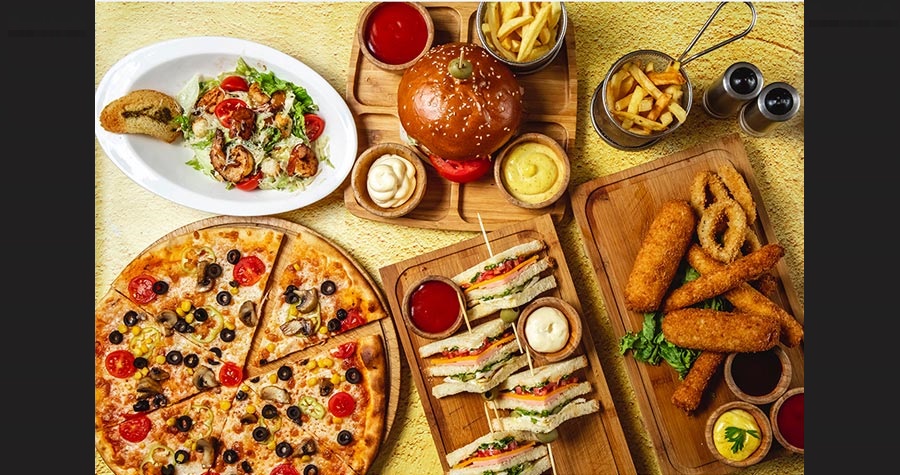
- Burgers and pizzas
- Indo-Chinese dishes
This diversified menu allows outlets to cater to a wider audience beyond a single cuisine category.
4. Franchise Structure and Operating Model
The franchise follows a standard QSR operating framework:
- Franchise partners manage day-to-day outlet operations
- The brand provides menu standardization and operational processes
- Food preparation methods and quality standards are predefined
- Franchisees handle staffing, local marketing, and customer service
The model is designed for uniform customer experience while allowing franchise owners to operate independently within defined guidelines.
5. Franchise Cost and Investment
The investment requirement falls within an entry-to-mid-level QSR range, as indicated in the snapshot.
Key cost components include:
- Franchise or brand licensing fee
- Interior setup and kitchen equipment
- Initial inventory and raw materials
- Rental deposit and working capital
- Branding and signage
Royalty fees in QSR businesses typically fund brand development, marketing systems, and operational support.
6. Space and Setup Requirements
| Area | 150 – 500 sq. ft. |
|---|---|
| Location Preference | High footfall areas such as markets, food streets, malls, or near educational institutions |
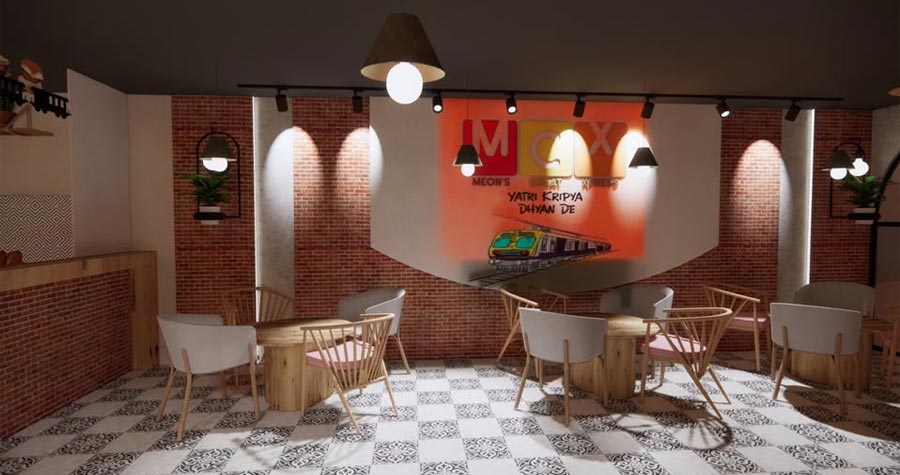
| Setup Needs | Kitchen counter, preparation area, storage, and service counter |
| Equipment | Basic cooking equipment, refrigeration, and serving infrastructure |
| Staffing | Small team including cooks and service staff |
The compact footprint allows flexibility in selecting locations with moderate rental costs.
7. Training and Franchise Support
Franchise partners are typically supported through:
- Food preparation and kitchen operations training
- Standardized recipes and menu execution guidance
- Outlet setup assistance
- Branding and marketing support
- Ongoing operational guidance
These systems help maintain consistency across outlets and simplify operations for new franchise owners.
8. Revenue Model and ROI Factors
Revenue is generated through direct food sales across multiple categories.
Key drivers include:
- High-frequency consumption of snacks and street food
- Affordable pricing attracting repeat customers
- Multi-category menu increasing average order value
- Peak demand during evenings and weekends
With relatively moderate investment and strong turnover potential, the model targets a short payback window, as indicated in the snapshot.
9. Brand Background and Expansion
The brand began operations in 2021 and introduced franchising shortly after, indicating an expansion-driven approach.
With a growing network of outlets, expansion appears focused on scaling across urban and semi-urban markets where demand for quick-service food formats is increasing.
10. What Makes This Franchise Different
Unlike single-product street food outlets, this concept integrates traditional chaat with a broader fast food menu within a standardized QSR format.
This hybrid approach reduces dependency on a single product category and allows outlets to capture multiple consumption occasions—snacking, meals, and group dining—within a compact operational setup.
11. Key Advantages of the Franchise
- Strong demand for Indian street food across demographics
- Compact outlet size enabling lower rental costs
- Multi-product menu supporting higher sales potential
- Quick service model with high customer turnover
- Structured operational framework for consistency
- Expansion potential in both urban and semi-urban markets
12. Who Should Consider This Franchise
This opportunity is suitable for:
- First-time entrepreneurs entering the food business
- Small investors seeking a moderate-cost QSR model
- Operators with experience in food service or retail
- Individuals looking for a high-turnover, fast-moving consumer business
Similar Franchise Opportunities
Entrepreneurs evaluating this segment may also consider:
- Haldiram’s
- Bikanervala
- Goli Vada Pav
- Wow! Momo
- Chaat Adda
Accepting franchise applications in 35 states & UTs
What investment is required for Meon’s Chaat Xpress franchise?
The investment typically ranges between INR 5 lakh and 10 lakh. This includes franchise fees, kitchen setup, interiors, initial stock, and working capital. The relatively moderate investment level makes it accessible compared to larger restaurant formats while still requiring structured financial planning.
How does the Meon’s Chaat Xpress franchise operate?
The business runs as a quick service outlet where customers order ready-to-eat items such as chaat and fast food. Operations focus on fast preparation, standardized recipes, and efficient service. Revenue depends on daily footfall, repeat customers, and consistent food quality.
What space is required to start the franchise?
An outlet typically requires between 150 and 500 square feet. Locations with strong pedestrian traffic such as markets, food hubs, or near colleges are preferred. The compact format allows flexibility in choosing locations with manageable rental commitments.
How long does it take to recover the investment?
The expected payback period is around 6 to 7 months based on operational efficiency and sales volume. Actual recovery timelines depend on factors such as location quality, customer demand, pricing strategy, and cost management.
How can investors apply for the franchise?
Prospective franchise partners usually begin by submitting an enquiry to the brand. This is followed by discussions on location, investment capability, and operational readiness. Once approved, the process includes agreement signing, training, and outlet setup before launch. ## Similar Franchise Opportunities
