



Mashi Biryani World Franchise
Brand & Franchise Snapshot
| Brand Name | Mashi Biryani World |
|---|---|
| Industry | Food & Beverage |
| Business Category | Quick Service Restaurant (QSR) |
| Founded Year | 2016 |
| Franchise Started | 2022 |
| Total Franchise Outlets | 1–10 |
| Estimated Investment | INR 10 Lakh – 20 Lakh |
| Franchise Fee | INR 10,00,000 |
| Royalty Fee | 2% |
| Space Requirement | 800 – 1,000 sq.ft |
| Staff Requirement | Typically includes kitchen staff, service crew, and cashier roles |
| Expected Payback Period | 1–2 Years |
Understanding the Brand
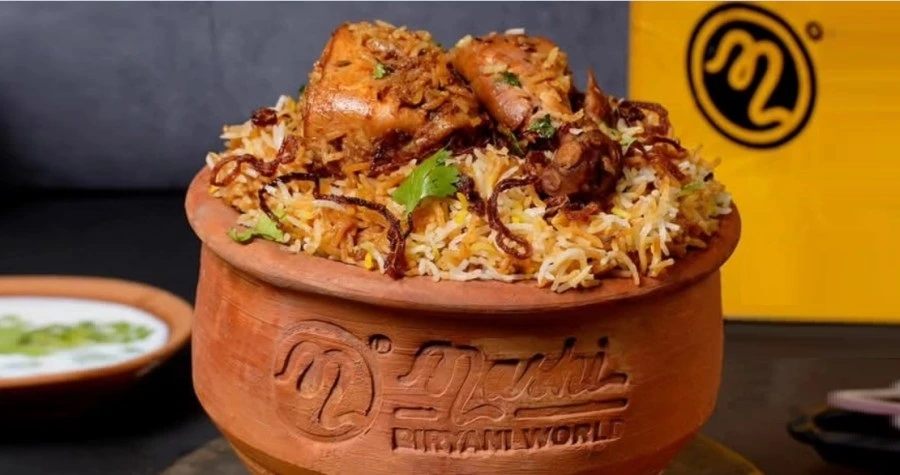
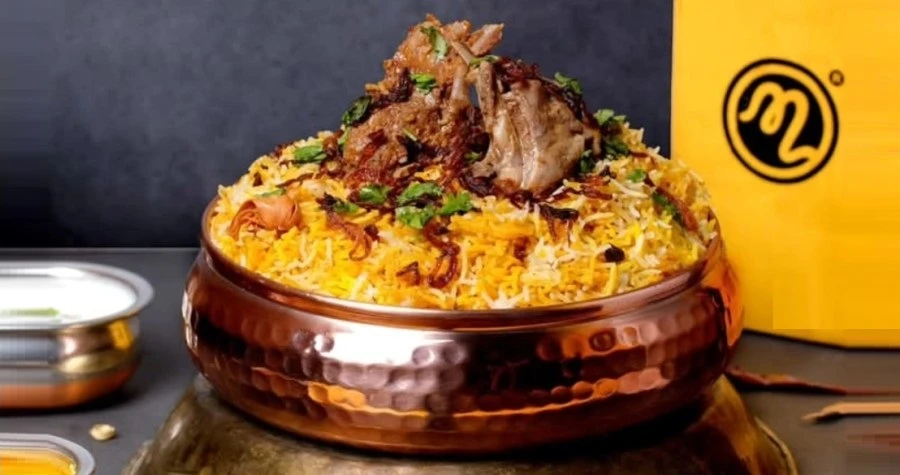
Mashi Biryani World is a quick service restaurant concept focused on regional Indian biryani varieties, positioned within the broader multi-cuisine QSR segment. The brand specializes in offering multiple styles of biryani under one roof, targeting urban consumers seeking both variety and familiarity in Indian cuisine.
It operates within the organized food franchise category, combining dine-in, takeaway, and delivery-driven service formats.
2. Operating Concept
The business functions as a QSR outlet where customers can order food for dine-in, takeaway, or online delivery. Orders are processed at the counter or through digital platforms, with food prepared in a centralized kitchen setup within the outlet.
Operational workflow includes ingredient preparation, batch cooking of biryani, order assembly, and packaging. Revenue is generated through direct food sales, with delivery channels contributing significantly to volume.
3. Products or Service Categories
Core Offerings
- Regional Biryani Varieties (Hyderabadi, Awadhi, Kolkata styles)
Additional Menu Items
- Kebab-based dishes and wraps
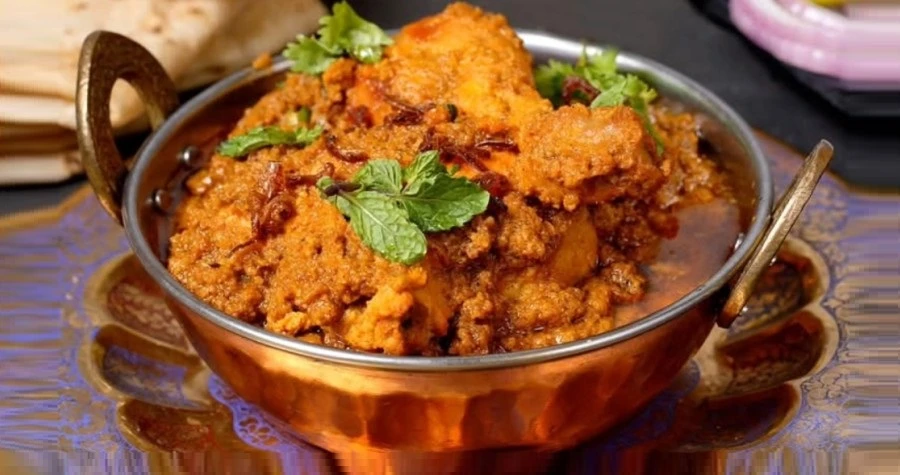
- Chicken-based curry preparations
- Indian meal combinations and accompaniments
The menu structure is built around a primary category (biryani) with supporting items that increase average order value.
4. Franchise Partnership Structure
- Franchise partners operate branded outlets using standardized recipes and processes
- Responsibilities include managing kitchen operations, staff, customer service, and local marketing
- The franchisor provides brand identity, menu framework, and operational guidelines
- Outlets are expected to maintain consistency in taste, portioning, and service delivery
The model relies on operational discipline and adherence to food preparation standards.
5. Investment and Startup Costs
| Estimated Investment | INR 10–20 lakh |
|---|---|
| Franchise Fee | INR 10 lakh |
| Royalty | 2% of revenue |
Startup costs typically include:
- Kitchen equipment and installation
- Interior setup and seating arrangements
- Initial raw material and inventory
- Licensing and working capital
Royalty represents an ongoing fee for brand usage and system support.
6. Outlet Setup Requirements
| Space Requirement | 800–1,000 sq.ft |
|---|---|
| Preferred Locations | High footfall areas, food streets, commercial zones, and delivery-friendly locations |
| Infrastructure Needs | Kitchen setup, storage, billing counter, seating (optional depending on format) |
| Staffing Needs | Chefs, kitchen assistants, service staff, and order management personnel |
The format supports both dine-in and delivery-focused operations.
7. Franchise Support Systems
- Training on food preparation techniques and standard recipes
- Assistance in outlet setup and kitchen planning
- Guidance on sourcing ingredients and maintaining quality consistency
- Marketing support for brand visibility and customer acquisition
- Ongoing operational guidance to maintain service standards
These systems help franchisees manage food quality and operational efficiency.
8. Revenue Model and Profit Drivers
- Revenue comes from food sales across dine-in, takeaway, and delivery channels
- Biryani serves as the primary revenue driver due to high demand and batch production efficiency
- Add-on items increase ticket size and margins
- Repeat orders are driven by taste consistency and convenience
The expected payback period of 1–2 years reflects a moderate investment QSR model with steady demand potential.
9. Brand Background and Expansion
- Established in 2016 as a food concept focused on regional biryani offerings
- Franchising began in 2022 to expand into multiple urban markets
- Current network remains in early expansion stage
- Growth strategy focuses on scaling through franchise outlets in major Indian cities
10. What Makes This Franchise Different
Mashi Biryani World is structured around a multi-regional biryani specialization model, rather than a general multi-cuisine restaurant approach.
Most QSR brands either focus on a single cuisine or broad menus. This concept concentrates on one high-demand category (biryani) while offering regional variations, which simplifies kitchen operations and strengthens product identity.
Advantages of the Franchise
- Strong demand for biryani across urban markets
- Focused menu reduces operational complexity
- Scalable QSR format with delivery integration
- Repeat customer potential driven by staple food category
- Structured support for maintaining product consistency
11. Who Should Consider This Franchise
- First-time entrepreneurs entering the food business
- Existing restaurant operators looking to add a specialized concept
- Investors targeting mid-range QSR opportunities
- Individuals with access to high-demand delivery zones
13. Similar Franchise Opportunities
- Biryani Blues
- Behrouz Biryani
- Biryani By Kilo
- Paradise Biryani
- Meghana Foods

What investment is required for Mashi Biryani World franchise?
The investment typically ranges between INR 10 lakh and 20 lakh, including kitchen setup, interiors, and working capital. The franchise fee is a major component, along with equipment and initial inventory required to start operations.
How does the Mashi Biryani World franchise operate?
The franchise operates as a QSR outlet offering dine-in, takeaway, and delivery services. Orders are processed through counters or online platforms, with food prepared using standardized recipes to ensure consistency across locations.
What space is required to start the franchise?
An outlet typically requires 800 to 1,000 sq.ft, depending on whether the format includes dine-in seating or focuses more on delivery and takeaway operations.
How long does it take to recover the investment?
The expected payback period is around 1 to 2 years. Recovery depends on location performance, customer demand, and operational efficiency, particularly in managing food costs and delivery volumes.
How can investors apply for the franchise?
Investors can apply through the brand’s franchise onboarding process, which generally includes enquiry submission, evaluation of investment capability and location, followed by approval, training, and outlet setup assistance. ### 13. Similar Franchise Opportunities
