



Masala Ministry Franchise
Franchise Quick Facts
| Brand Name | Masala Ministry |
|---|---|
| Industry / Business Category | Restaurant / Fine Dining |
| Founded Year | 2017 |
| Franchise Started Year | 2021 |
| Total Franchise Outlets | 1–10 |
| Estimated Investment | INR 1 Crore – 2 Crore |
| Franchise Fee | INR 2,000,000 |
| Royalty Fee | 47% |
| Space Requirement | 300–500 sq.ft |
| Staff Requirement | Small to medium team including chefs, service staff, and support personnel |
| Expected Payback Period | 1–2 years |
1. What is Masala Ministry?
Masala Ministry is a restaurant offering premium Indian cuisine with modern presentation techniques. The brand operates in the fine dining segment, providing customized, multi-sensory meals for diners seeking a combination of traditional flavors and contemporary culinary experiences. It serves individual guests, families, and groups interested in a curated, interactive dining environment.
2. How the Business Works
The business functions as a dine-in restaurant with a focus on customized dining experiences. Customers interact directly with chefs through open-kitchen setups and can request tailored menu options. Revenue is generated from food and beverage sales, including signature dishes, beverages, and bespoke culinary services. Daily operations include food preparation, plating, service, inventory management, and customer engagement.
3. Products or Service Categories
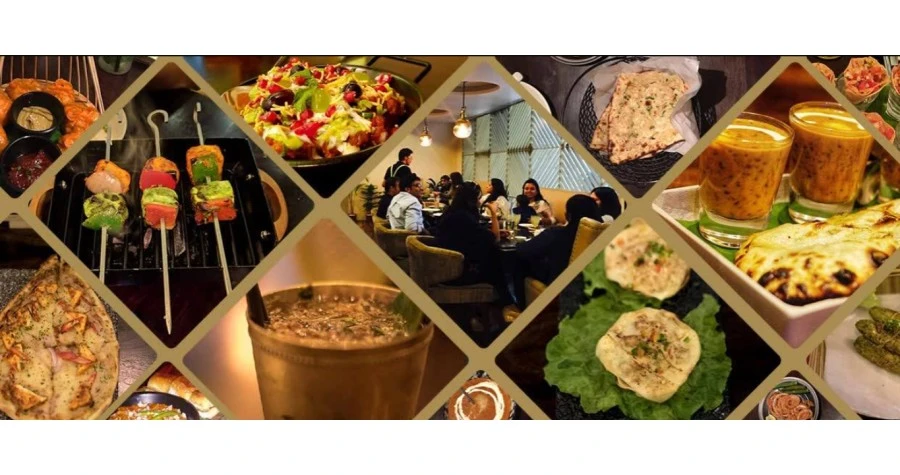
| Signature Dishes | Regional Indian specialties with modern techniques (e.g., Lamb Rogan Josh, Butter Chicken, Kolkata Biryani, Masala Dosa) |
|---|---|
| Vegetarian and Non-Vegetarian Options | Full menu catering to various dietary preferences |
| Customized Menus | Personalized meals based on guest requirements |
| Private Dining Experiences | Tailored multi-course experiences for groups or special occasions |
| Beverages | Soft drinks, traditional drinks, and curated accompaniments |
4. How the Franchise Model Works
- Franchise partners operate local Masala Ministry outlets with support from the central management.
- Responsibilities include kitchen management, service delivery, staff training, and maintaining quality standards.
- Franchisor provides operational guidance, menu standards, training for culinary and service staff, and marketing support.
- Outlets are required to uphold the brand’s standards for food quality, presentation, and customer interaction.
5. Franchise Cost and Investment Overview
| Estimated Investment | INR 1 Crore – 2 Crore for infrastructure, kitchen setup, and initial operations |
|---|---|
| Franchise Fee | INR 2,000,000 |
| Royalty | 47% of gross revenue |
- Setup costs include kitchen equipment, furniture, decor, training, and initial inventory
- Investment supports franchisees in establishing a fully operational fine dining outlet under a recognized brand
6. Space and Infrastructure Requirements
| Space Requirement | 300–500 sq.ft, suitable for an open-kitchen concept and customer seating |
|---|---|
| Preferred Locations | High-footfall urban areas and premium commercial zones |
| Equipment Needs | Commercial kitchen appliances, refrigeration, cookware, and service furniture |
| Staffing Considerations | Skilled chefs, waitstaff, and support personnel to maintain premium service standards |
7. Training and Franchise Support
- Franchisor provides comprehensive operational and service training
- Menu standardization and quality control guidance
- Assistance with outlet setup, interior design, and equipment selection
- Marketing and promotional support to attract local customers
- Ongoing business advisory for operations, customer experience, and process improvements
8. Revenue Model and ROI Factors
- Revenue primarily comes from food and beverage sales, including signature and customized menu items
- Demand is driven by urban consumers seeking fine dining and experiential meals
- Repeat customer potential through personalized service, private dining experiences, and menu customization
- Operational costs include staff salaries, raw materials, utilities, and royalty payments
- Payback period estimated at 1–2 years depending on outlet performance and location
9. Brand Background and Expansion
| Established | 2017 |
|---|---|
| Franchise Launch | 2021 |
| Franchise Network Size | 1–10 outlets |
| Geographic Presence | Urban centers with plans for additional locations |
| Expansion Goals | Increase brand footprint while maintaining high service, culinary quality, and custom dining experiences |
10. Key Advantages of the Franchise Opportunity
- Growing demand for premium and experiential Indian cuisine
- Scalable business model with potential for multiple urban outlets
- Strong repeat customer potential due to customized dining and open-kitchen experiences
- Structured franchisor support including training, operations, and marketing
- Opportunities for premium pricing and differentiated service in a niche market
11. Who Should Consider This Franchise
- Entrepreneurs interested in fine dining and experiential culinary businesses
- Investors with prior experience in restaurant or hospitality operations
- Small business operators seeking a premium restaurant segment
- Food enthusiasts aiming to leverage innovative and culturally rich dining concepts
13. Similar Franchise Opportunities
- Mainland China – Indian Chinese fine-dining chain
- Barbeque Nation – Premium casual dining with buffet and à la carte options
- Bikanervala – Indian vegetarian cuisine with urban franchise presence
- Rajdhani Thali Restaurant – Traditional Indian thali with premium urban locations
- Oh! Calcutta – Regional Indian cuisine in fine dining format
Accepting franchise applications in 35 states & UTs
What investment is required for Masala Ministry franchise?
Investment ranges from INR 1 Crore to 2 Crore, covering setup, kitchen equipment, and franchise fee.
How does the franchise operate?
Franchisees manage a fine dining outlet with customized menu offerings, open-kitchen customer interactions, staff management, and operational compliance with brand standards.
What space is required to start the franchise?
Outlets require 300–500 sq.ft, suitable for kitchen operations and seating areas with an open-kitchen layout.
How long does it take to recover the investment?
Expected payback period is 1–2 years depending on location, footfall, and revenue generation.
How can investors apply for the franchise?
Prospective partners contact the franchisor to submit applications, complete training, and establish the outlet according to brand specifications. ### 13. Similar Franchise Opportunities
