


Kiga Ice Cream Franchise
Franchise Quick Facts
| Brand Name | Kiga Ice Cream |
|---|---|
| Industry / Business Category | Ice Cream / Dessert Retail |
| Founded Year | 2017 |
| Franchise Started Year | 2018 |
| Total Franchise Outlets | 50 – 100 |
| Estimated Investment | INR 5 Lakh – 10 Lakh |
| Franchise Fee | INR 3,00,000 |
| Royalty Fee | Typically part of ongoing revenue-sharing structure in franchise systems |
| Space Requirement | 250 – 500 sq. ft. |
| Staff Requirement | 2–4 staff for retail operations |
| Expected Payback Period | 1 – 2 Years |
1. What is Kiga Ice Cream?
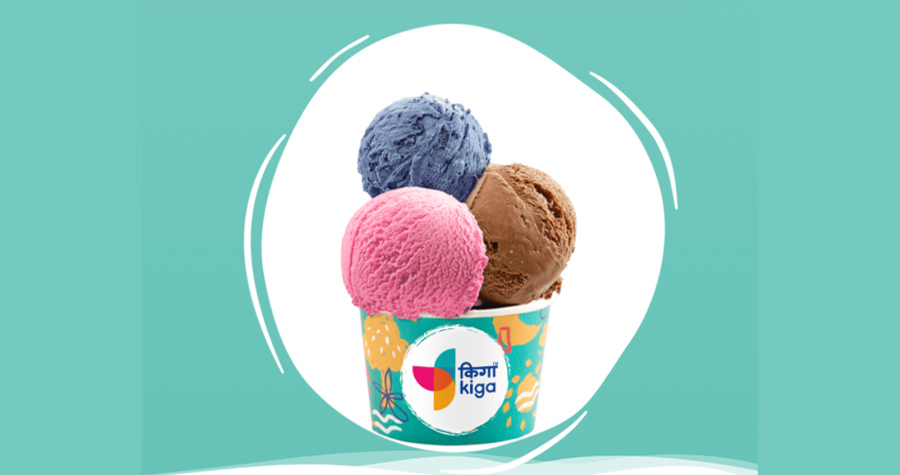
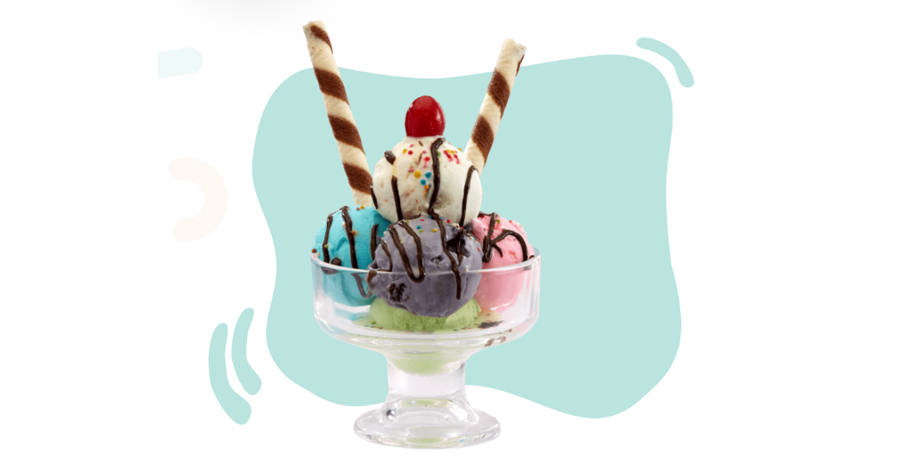
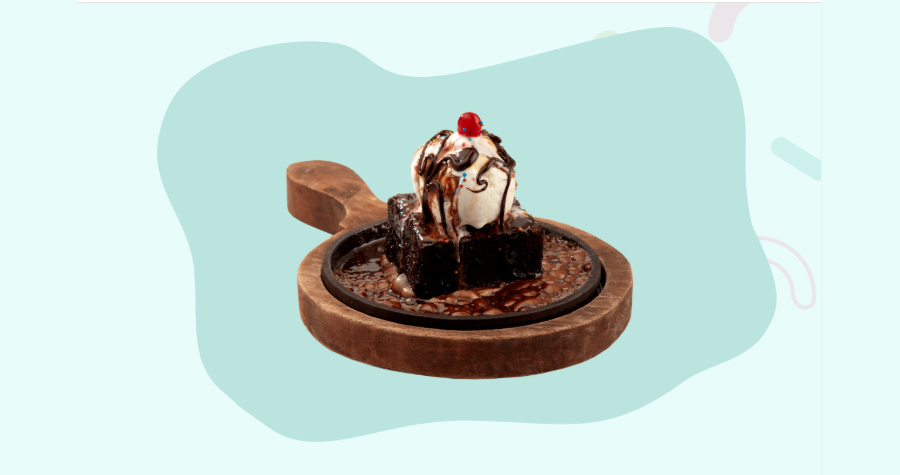
Kiga Ice Cream is a dessert retail franchise operating in the ice cream segment, offering a range of traditional, fruit-based, and premium dessert flavors through compact retail outlets.
It operates within the quick-service dessert franchise category, serving walk-in customers, families, and youth segments seeking both familiar and regionally inspired ice cream options.
2. How the Business Works
The business operates through small-format retail outlets focused on direct consumer sales.
Customer interaction model
- Customers visit the outlet for takeaway or on-premise consumption
- Products are displayed in freezers or counters
- Staff serve ready-to-consume ice cream in cups, cones, or packaged formats
Operational workflow
- Inventory is supplied centrally or through approved vendors
- Products are stored in cold-chain freezers
- Staff manage sales, billing, and customer service
Revenue is generated through:
- Retail sale of ice cream products
- Upselling premium or specialty flavors
- Seasonal demand spikes and repeat visits
3. Products or Services Offered
The product portfolio is designed around variety and differentiation in flavors.
Key product categories include
- Traditional Indian-Inspired Flavors
Ice creams derived from regional desserts and festive recipes
- Nut-Based and Premium Variants
Rich formulations using nuts, chocolate, and blended desserts
- Fruit-Based Ice Creams
Seasonal and tropical fruit flavors with natural taste profiles
- Classic Ice Cream Options
Standard flavors catering to mass-market preferences
This mix allows the outlet to serve both conventional demand and niche taste segments.
4. How the Franchise Model Works
The franchise follows a retail outlet-based model with standardized product offerings.
Role of the franchise partner
- Set up and operate the ice cream outlet
- Manage daily retail operations and staffing
- Maintain product quality and storage standards
- Handle local promotions and customer engagement
Franchisor responsibilities
- Provide brand identity and product range
- Assist with sourcing or supply of ice cream inventory
- Offer guidance on store setup and operations
- Support marketing and brand positioning
The model relies on consistent product delivery and standardized retail execution.
5. Franchise Cost and Investment Overview
The investment level aligns with small-format food retail businesses.
Key financial components
- Total investment between INR 5 lakh and 10 lakh
- Franchise fee of INR 3 lakh
- Store setup including interiors and refrigeration equipment
- Initial inventory and working capital
In franchise systems, royalty fees typically represent a percentage of revenue paid for brand usage and ongoing support.
6. Space and Infrastructure Requirements
The outlet is designed for compact retail operations.
Setup requirements
- ????? between 250 and 500 sq. ft.
- Display freezers and cold storage equipment
- Serving counters and billing system
- Basic seating (optional depending on format)
Preferred locations
- High footfall areas such as markets or shopping streets
- Residential neighborhoods with family traffic
- Near schools, colleges, or entertainment zones
7. Training and Franchise Support
Franchise partners receive operational guidance to maintain product and service consistency.
Support areas include
- Store setup and layout planning
- Training on product handling and storage
- Guidance on sales and customer service
- Marketing and promotional support
These systems help ensure standardized retail operations across outlets.
8. Revenue Model and ROI Factors
Revenue is driven by direct retail sales and repeat customer visits.
Revenue drivers
- Walk-in sales of ice cream products
- Seasonal demand peaks (summer months, festivals)
- Premium pricing for specialty flavors
ROI considerations
- Estimated payback period of 1 to 2 years
- Moderate investment with high-margin product category
- Repeat consumption behavior in dessert segment
Profitability depends on location, footfall, and product mix.
9. Brand History and Expansion
Kiga Ice Cream was established in 2017 and introduced its franchise model in 2018.
The brand has expanded to a network of 50 to 100 outlets, indicating ongoing growth within the dessert retail segment.
10. Key Advantages of the Franchise
- Moderate investment requirement for entry
- Strong repeat purchase behavior in ice cream category
- Compact outlet size enables flexible location selection
- Diverse flavor portfolio appealing to multiple customer segments
- Scalable model suitable for expansion across cities
11. Who Should Consider This Franchise
This opportunity is suitable for:
- First-time entrepreneurs entering food retail
- Investors seeking small-format QSR or dessert businesses
- Individuals targeting high footfall retail locations
- Operators looking for seasonal and repeat consumption products
- Entrepreneurs interested in food and beverage operations
Similar Franchise Opportunities
Entrepreneurs evaluating dessert and ice cream franchise options may also consider:
- Naturals Ice Cream
- Baskin Robbins
- Amul Ice Cream
- Cream Stone
- Giani’s Ice Cream
Accepting franchise applications in 35 states & UTs

What is the investment required for Kiga Ice Cream franchise?
The total investment typically ranges from INR 5 lakh to 10 lakh. This includes franchise fees, store setup, refrigeration equipment, and initial inventory required to start operations.
How does the Kiga Ice Cream franchise business work?
The business operates as a retail outlet where customers purchase ice cream products directly. Daily operations involve inventory storage, product serving, and customer service, with revenue generated from retail sales.
What space is required for the franchise?
A space of approximately 250 to 500 square feet is sufficient. The outlet requires freezer units, a serving counter, and basic infrastructure for efficient retail operations.
How long does it take to recover the investment?
The expected payback period is between 1 and 2 years. Actual returns depend on location, customer footfall, pricing strategy, and operational efficiency.
How can investors apply for the franchise?
Investors can apply by submitting an enquiry to the brand. The process typically includes application review, agreement signing, and outlet setup with support from the franchisor. ## Similar Franchise Opportunities
