


Kids Inteligence Franchise
Kids Intelligence Franchise Profile
Brand & Franchise Snapshot
| Brand Name | Kids Intelligence |
|---|---|
| Industry / Category | Education & Skill Development (Abacus & Cognitive Training) |
| Founded Year | 2009 |
| Franchise Started | 2024 |
| Total Franchise Outlets | 1–10 centers |
| Estimated Investment | INR 2,00,000 – 5,00,000 |
| Franchise Fee | Typically included in initial onboarding and licensing structure |
| Royalty Fee | Usually structured as recurring support or service-based fee |
| Space Requirement | 250 – 500 sq. ft. |
| Staff Requirement | 1–2 trained instructors |
| Expected Payback Period | 1–2 years |
1. What is Kids Intelligence?
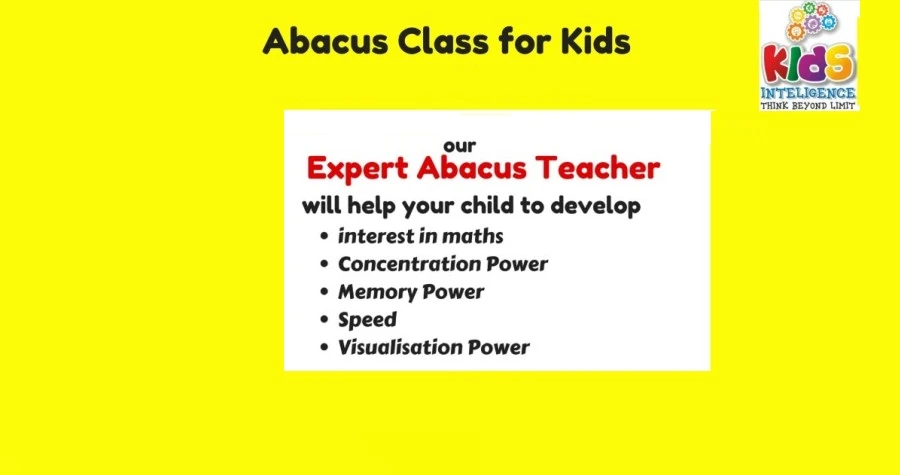
Kids Intelligence is an education franchise focused on abacus-based mental arithmetic and cognitive skill development programs for children. It operates within the supplementary education segment, offering structured training aimed at improving memory, concentration, and analytical thinking.
The franchise represents a skill-based learning center model rather than a full-time preschool, targeting students seeking cognitive development alongside regular schooling.
2. How the Business Works
The business operates as a training center where children attend scheduled classes focused on abacus techniques and brain development exercises.
Operational workflow includes
- Parents enroll children into structured training programs
- Students attend batch-based classes conducted by trained instructors
- Lessons involve abacus practice, visualization methods, and mental calculations
- Progress is monitored through structured assessments and level-based advancement
Revenue is generated through:
- Course enrollment fees
- Monthly or module-based payments
- Fees for advanced levels or workshops
The model allows multiple batches per day, optimizing utilization of space and instructor time.
3. Products or Services Offered
Kids Intelligence centers deliver specialized cognitive development programs.
Key offerings include
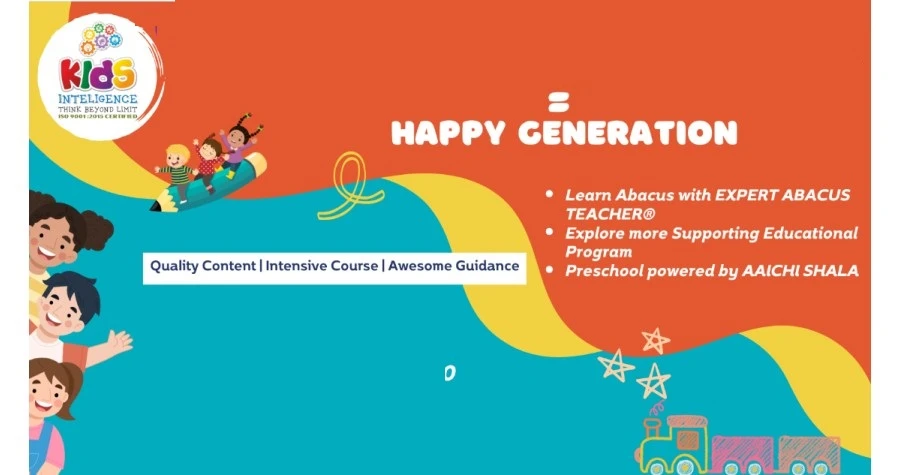
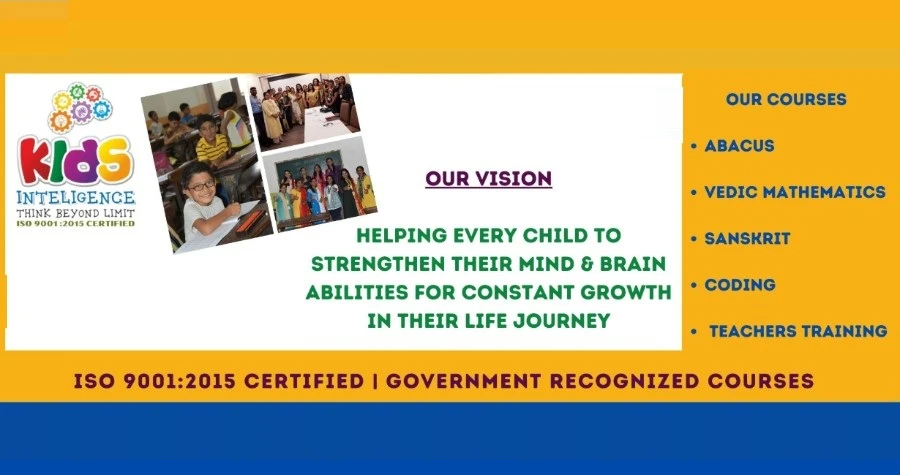
- Abacus Training Programs
Core courses focused on improving calculation speed, accuracy, and mental visualization.
- Mental Arithmetic Courses
Structured modules designed to strengthen numerical ability and logical thinking.
- Cognitive Skill Development Sessions
Activities targeting memory, focus, and problem-solving skills.
- Workshops and Training Programs
Short-term sessions for skill enhancement and concept reinforcement.
- Learning Materials and Teaching Resources
Abacus tools, workbooks, and instructional aids for consistent delivery.
These programs are typically delivered in progressive levels.
4. Franchise Structure and Operating Model
The franchise model enables individuals or institutions to operate independent training centers using standardized systems.
Franchise partner responsibilities
- Setting up the center and managing operations
- Conducting classes or hiring trained instructors
- Managing student enrollment and scheduling
- Implementing curriculum and maintaining quality standards
Franchisor support includes
- Curriculum design and teaching methodology
- Instructor training and certification
- Marketing guidance and promotional support
- Ongoing mentorship and operational assistance
The structure allows replication of the training model across locations with standardized delivery.
5. Franchise Cost and Investment
The estimated investment ranges from INR 2 lakh to INR 5 lakh.
Cost components typically include
- Franchise or licensing fee for brand usage
- Training and certification programs
- Learning materials and kits
- Classroom setup and basic infrastructure
- Initial marketing and promotional costs
In education franchises, royalty fees are generally used to support ongoing training, curriculum updates, and brand-level services.
6. Space and Setup Requirements
The business requires a compact setup suitable for classroom-style training.
Infrastructure requirements
- 250 to 500 sq. ft. space
- Seating arrangement for small batches
- Teaching aids such as boards or digital tools
- Storage for training materials
Staffing needs
- One or two trained instructors
- Option for owner-led teaching or hired trainers
The model can operate from commercial units or adapted home-based setups.
7. Training and Franchise Support
The franchise provides structured support systems for operational and academic consistency.
Support includes
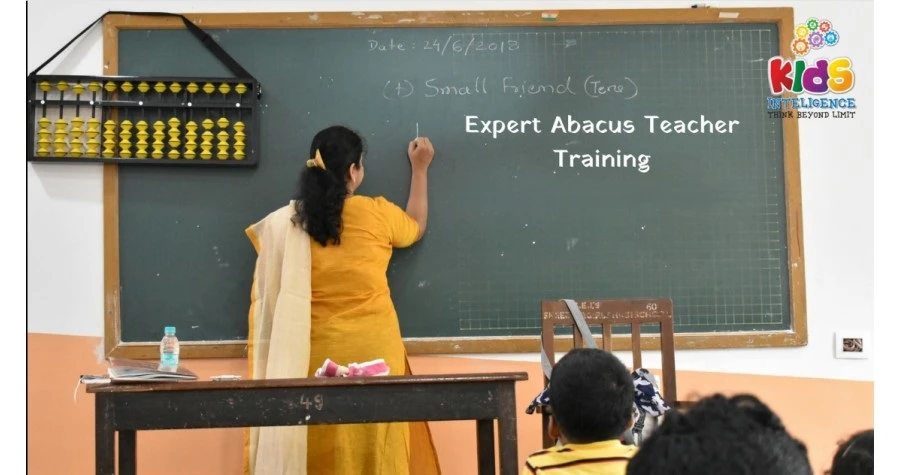
- Initial training on abacus techniques and teaching methods
- Continuous updates on curriculum and program delivery
- Access to learning materials and teaching resources
- Marketing support for student acquisition
- Ongoing mentorship for operational improvement
This support framework reduces the need for prior experience in education.
8. Revenue Model and ROI Factors
Revenue is generated through structured course enrollments and repeat participation.
Revenue drivers
- Enrollment fees for different program levels
- Monthly or module-based course fees
- Upselling advanced training levels
ROI considerations
- Payback period estimated at 1–2 years
- Low space and staffing costs support margin efficiency
- Batch-based model enables multiple revenue cycles per day
Enrollment consistency and retention are key profitability factors.
9. Brand Background and Expansion
Kids Intelligence was established in 2009 and entered the franchise segment in 2024.
The brand has developed its presence through training programs, workshops, and educational initiatives, and is currently in an early stage of franchise expansion.
Growth is expected through partnerships with educators, institutions, and independent operators.
10. What Makes This Franchise Different
Unlike general tuition or coaching centers, this model is built around a single specialized methodology—abacus-based cognitive training.
The focus on structured mental skill development, combined with standardized teaching tools and progressive learning levels, creates a replicable system where outcomes depend more on methodology than individual teaching style.
11. Key Advantages of the Franchise
- Entry into the growing cognitive skill development segment
- Low space and infrastructure requirement
- Batch-based model allows efficient revenue generation
- Structured curriculum reduces operational complexity
- Scalable through multiple batches and levels
- Ongoing training and mentorship support
12. Who Should Consider This Franchise
This opportunity is suitable for:
- First-time entrepreneurs entering the education sector
- Teachers or tutors seeking structured programs
- Individuals interested in skill-based training businesses
- Home-based business operators
- Investors looking for low-investment education ventures
Similar Franchise Opportunities
Entrepreneurs evaluating similar cognitive skill development franchises may consider:
- UCMAS
- Aloha India
- Brainobrain
- Sip Abacus
- Smart Kid Abacus
These brands operate in the mental arithmetic and brain development segment, offering comparable franchise models.
Accepting franchise applications in 35 states & UTs
What is the investment required for Kids Intelligence franchise?
The investment typically ranges from INR 2 lakh to INR 5 lakh. This includes franchise onboarding, training, learning materials, and setup costs required to establish the training center.
How does the Kids Intelligence franchise business operate?
The business operates as a training center offering abacus and mental arithmetic programs. Students attend structured classes in batches, and instructors deliver lessons using standardized curriculum and teaching tools.
What space is required for the franchise?
A space of approximately 250 to 500 sq. ft. is sufficient. The setup is designed for small-group sessions, making it suitable for compact commercial spaces or home-based environments.
How long does it take to recover the investment?
The expected payback period is around 1 to 2 years. Returns depend on student enrollment, batch utilization, and the ability to retain students across multiple course levels.
How can investors apply for the franchise?
Interested individuals can apply through official franchise enquiry channels. The process typically involves evaluating investment readiness, completing training, and setting up the center before starting operations. ## Similar Franchise Opportunities
