


Khaogo Franchise
Brand & Franchise Snapshot
| Brand Name | Khaogo |
|---|---|
| Industry / Category | Food Delivery & Quick Service Restaurant (QSR) |
| Founded Year | 2016 |
| Franchise Started | 2025 |
| Total Franchise Outlets | 1 – 10 |
| Estimated Investment | INR 10,000 – 50,000 |
| Franchise Fee | Included within entry-level setup structure |
| Royalty Fee | 15% |
| Space Requirement | 100 – 200 sq. ft. |
| Staff Requirement | 2–5 staff |
| Expected Payback Period | 1 – 2 Years |
1. What is Khaogo?
Khaogo is a tech-enabled food delivery and quick service restaurant (QSR) business that connects customers with local food vendors and kitchens through a digital ordering platform. It operates within the online food delivery and cloud kitchen franchise category, offering a wide range of meals delivered to customers.
The franchise focuses on combining local food sourcing with digital ordering and last-mile delivery.
2. How the Business Works
The business operates through a hybrid model combining digital ordering and local food fulfillment.
Customer Journey:
- Customers place orders through a mobile app or website
- Browse menus featuring multiple cuisines and meal options
- Select items and complete payment
- Orders are prepared by partner kitchens or in-house units
- Delivery is executed through local logistics
Operational Workflow:
- Orders are aggregated through the platform
- Food is sourced from partner kitchens or prepared in controlled environments
- Delivery staff handle last-mile logistics
- Real-time tracking and order updates are managed digitally
Revenue is generated through order commissions, delivery fees, and product margins.
3. Products or Services Offered
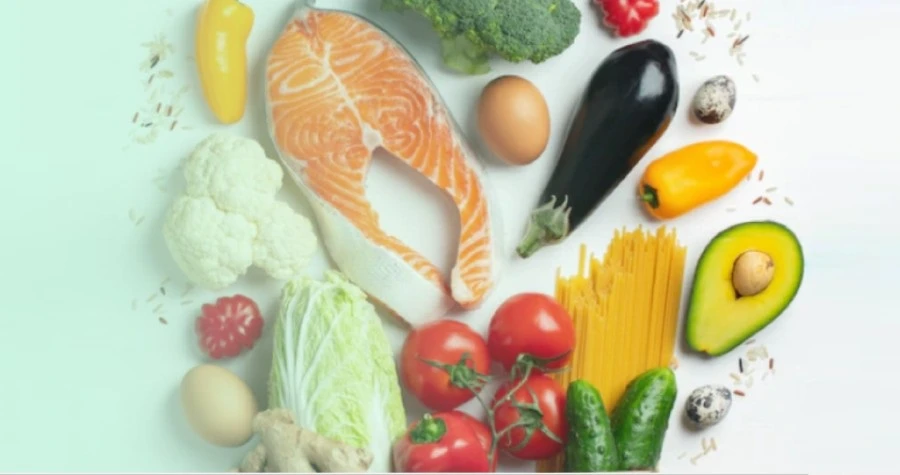
The offering includes a wide variety of food categories.
Key Categories:
- Biryani & Rice Meals
Multiple variants including veg and non-veg options
- Fast Food & Combos
Pizza, burgers, wraps, and quick meals
- Indian Meals & Curries
Standard meal combinations and staple dishes
- Snacks & Street Food
Ready-to-eat quick items
- Healthy Meal Options
Low-oil and diet-focused meals
- Desserts & Beverages
Sweet items and drinks
The menu diversity supports broad customer appeal and frequent ordering behavior.
4. Franchise Structure and Operating Model
The franchise operates as a local fulfillment and operations unit within a digital platform ecosystem.
Role of the Franchise Partner:
- Manage local order processing and fulfillment
- Coordinate with partner kitchens or operate a small preparation unit
- Handle delivery logistics or manage delivery personnel
- Ensure timely order completion and service quality
- Execute local marketing and customer acquisition
Role of the Franchisor:
- Provide digital platform infrastructure (app/website)
- Manage brand positioning and central marketing
- Support onboarding of vendor partners
- Offer operational guidelines and technology support
The model integrates technology, local food sourcing, and delivery operations.
5. Franchise Cost and Investment
The investment level is relatively low due to the asset-light model.
Cost Components:
- Initial franchise or onboarding fee
- Basic kitchen or order processing setup
- Technology access and integration
- Delivery logistics setup
- Working capital for operations
Royalty is typically structured as a percentage of revenue, covering platform usage and support services.
6. Space and Setup Requirements
The business requires minimal physical infrastructure.
Requirements:
| Area | 100 – 200 sq. ft. |
|---|---|
| Location | Can operate from small commercial spaces or cloud kitchen setups |
| Infrastructure Needs | — |
- Basic food preparation or coordination space
- Order management system
- Packaging and dispatch area
Staffing:
- Kitchen or coordination staff
- Delivery personnel
The model allows flexible location choices due to its delivery-first nature.
7. Training and Franchise Support
Support is centered around technology and operations.
Support Includes:
- Training on platform usage and order management
- Guidance on vendor onboarding and coordination
- Marketing and promotional support
- Delivery and logistics management systems
- Ongoing operational assistance
These systems help franchisees manage both digital and physical aspects of the business.
8. Revenue Model and ROI Factors
Revenue is driven by order volume and platform-based transactions.
Revenue Streams:
- Commission on food orders
- Delivery charges
- Margins from in-house or partner kitchen offerings
- Repeat customer orders through app engagement
ROI Considerations:
- Low initial investment
- High scalability through increased order volume
- Demand for convenience-based food delivery
- Customer retention through pricing and variety
The payback period depends on local demand, execution efficiency, and marketing reach.
9. Brand Background and Expansion
The brand was established in 2016 and has recently expanded into franchising.
Expansion characteristics include:
- Focus on digital-first food delivery
- Collaboration with local vendors and kitchens
- Early-stage franchise network development
- Targeting growing demand for affordable food delivery
The expansion strategy is aligned with increasing adoption of online food ordering.
10. What Makes This Franchise Different
The business model differs from traditional QSR franchises by focusing on aggregation and fulfillment rather than standalone food production.
Unlike standard restaurants:
- The brand leverages local kitchens instead of relying solely on in-house production
- Technology acts as the primary customer acquisition channel
- The model reduces capital expenditure on large dining spaces
- Multiple cuisines are offered without requiring multiple kitchen setups
This creates a flexible and scalable food delivery ecosystem.
11. Key Advantages of the Franchise
- Low entry investment compared to traditional restaurants
- High demand for online food delivery
- Flexible and scalable operational model
- Wide product range through vendor partnerships
- Technology-driven customer acquisition
- Opportunity to expand into multiple locations
12. Who Should Consider This Franchise
This opportunity may suit:
- First-time entrepreneurs entering the food business
- Investors seeking low-cost digital-first businesses
- Cloud kitchen operators looking to expand distribution
- Individuals interested in delivery-based business models
- Entrepreneurs targeting urban and semi-urban markets
Similar Franchise Opportunities
Entrepreneurs exploring food delivery and cloud kitchen franchises may also consider:
- Zomato
- Swiggy
- Rebel Foods
- Box8
- Faasos
These businesses operate in the online food delivery and cloud kitchen ecosystem, offering comparable models for investors evaluating digital-first food ventures.

What is the investment required for Khaogo franchise?
The investment typically ranges from INR 10,000 to INR 50,000. This includes setup, onboarding, technology access, and initial working capital for operations.
How does the Khaogo franchise business operate?
The business operates through a digital platform where customers place food orders. Franchisees manage local fulfillment, coordinate with kitchens, and handle delivery logistics.
What space is required for the franchise?
A small space of around 100 to 200 square feet is sufficient. The business can operate from a cloud kitchen or a compact commercial unit.
How long does it take to recover the investment?
The expected payback period is around 1 to 2 years, depending on order volume, operational efficiency, and customer acquisition.
How can investors apply for the franchise?
Investors can apply by contacting the brand through its official channels. The onboarding process includes evaluation, setup assistance, and training. ## Similar Franchise Opportunities
