



Khadim India Franchise
Brand & Franchise Snapshot
| Brand Name | Khadim India |
|---|---|
| Industry / Category | Footwear Retail & Lifestyle Products |
| Founded Year | 1965 |
| Retail Expansion Began | 1993 |
| Total Franchise Outlets | Part of a network exceeding 600 retail stores nationally |
| Estimated Investment | INR 10,000 – 50,000 (entry-level representation; actual retail formats may vary based on store scale) |
| Franchise Fee | Typically covers brand usage, onboarding, and operational systems |
| Royalty Fee | Ongoing fee structure generally linked to revenue or supply chain participation |
| Space Requirement | 500 – 1000 sq. ft. |
| Staff Requirement | 3–8 staff depending on store size |
| Expected Payback Period | Influenced by store performance, location, and sales volume |
1. What is Khadim India?
Khadim India is a footwear retail brand operating in the family footwear segment, offering a wide range of products for men, women, and children. The franchise operates within the organized footwear retail category, focusing on accessible pricing and multi-segment product coverage.
It serves mass-market consumers looking for everyday footwear across age groups.
2. How the Business Works
The business follows a standard retail model supported by centralized manufacturing and distribution.
Customer Journey:
- Customers visit the store to browse footwear collections
- Products are displayed across categories such as casual, formal, and seasonal wear
- Customers select items based on size, style, and price
- Purchase is completed in-store
Operational Workflow:
- Inventory is supplied through brand-controlled distribution networks
- Store staff manage sales, merchandising, and customer assistance
- Regular restocking ensures product availability
- Promotions and seasonal launches drive footfall
Revenue is generated through direct retail sales of footwear and related products.
3. Products or Services Offered
The brand focuses on footwear across multiple categories.
Key Product Segments:
- Men’s Footwear
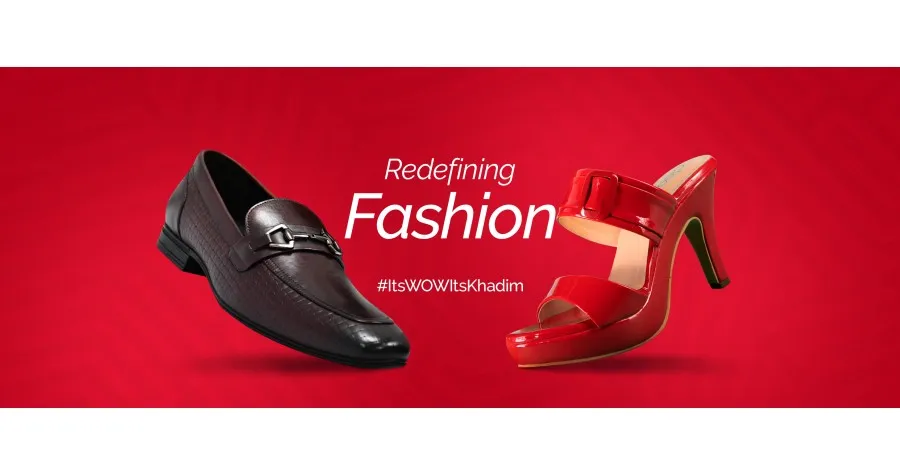
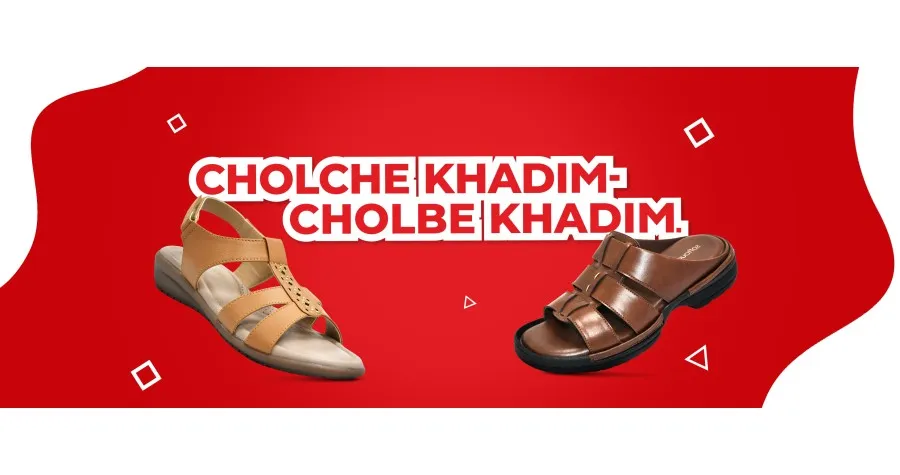
Formal shoes, casual wear, sandals, and daily-use options
- Women’s Footwear
Flats, heels, sandals, and fashion footwear
- Kids’ Footwear
School shoes, casual footwear, and seasonal styles
- Utility and Everyday Footwear
Affordable options for daily use
- Seasonal and Trend-Based Collections
Updated designs aligned with changing consumer preferences
The product mix is designed to cater to a broad customer base.
4. Franchise Structure and Operating Model
The franchise model is built around retail store operations.
Role of the Franchise Partner:
- Operate and manage the retail outlet
- Maintain product display and store standards
- Handle daily sales and customer service
- Manage local marketing and promotions
- Ensure adherence to brand guidelines
Role of the Brand:
- Supply products through its distribution network
- Provide branding, store design guidelines, and operational processes
- Support inventory planning and merchandising
- Offer ongoing business support
The model integrates centralized supply with decentralized retail execution.
5. Franchise Cost and Investment
Investment depends on store format and location.
Key Cost Components:
- Franchise or brand fee
- Store setup including interiors and fixtures
- Initial inventory purchase
- Working capital for operations
- Staffing and local marketing
In footwear retail, inventory typically represents a significant portion of total investment, as product variety and size availability are critical for sales performance.
6. Space and Setup Requirements
The business requires a retail storefront in a high-visibility location.
Requirements:
| Area | 500 – 1000 sq. ft. |
|---|---|
| Location | High-street markets, malls, or commercial areas with strong footfall |
| Infrastructure Needs | — |
- Product display racks and shelving
- Storage for inventory
- Billing and customer service counter
Staffing:
- Sales associates
- Store manager or supervisor
The setup is designed for efficient product display and customer interaction.
7. Training and Franchise Support
Support focuses on retail operations and inventory management.
Support Includes:
- Store setup and visual merchandising guidelines
- Training in sales and customer service
- Inventory management systems
- Marketing and promotional support
- Ongoing operational guidance
These systems help maintain consistency across franchise locations.
8. Revenue Model and ROI Factors
Revenue is driven by retail sales volume.
Revenue Drivers:
- Footfall in store location
- Product pricing and variety
- Seasonal demand (festivals, school season, etc.)
- Repeat purchases from existing customers
ROI Considerations:
- Margins depend on product category and pricing strategy
- Efficient inventory turnover improves profitability
- Store location plays a major role in revenue generation
The payback period depends on sales performance and operational efficiency.
9. Brand Background and Expansion
The business originated in the mid-1960s and transitioned into organized retail in the early 1990s.
Over time, the brand has:
- Expanded across multiple states in India
- Built a network of hundreds of retail outlets
- Developed a distribution system serving multi-brand outlets
This scale reflects a long-term expansion strategy based on retail penetration across urban and semi-urban markets.
10. What Makes This Franchise Different
A key distinction is the integration of manufacturing, distribution, and retail within a single ecosystem.
Unlike independent footwear retailers that rely on third-party suppliers:
- Product sourcing is controlled by the brand
- Distribution networks ensure consistent inventory supply
- Pricing is structured for mass-market accessibility
This vertically integrated approach allows better control over cost, product availability, and consistency across stores.
11. Key Advantages of the Franchise
- Established presence in the footwear retail segment
- Broad customer base across age groups
- Consistent demand for everyday footwear
- Structured supply chain and distribution network
- Scalable retail format across multiple locations
- Repeat purchase potential due to daily-use products
12. Who Should Consider This Franchise
This opportunity may suit:
- Retail entrepreneurs entering the footwear segment
- Existing store owners looking to add a footwear brand
- Investors seeking mass-market retail opportunities
- Business owners with experience in customer-facing retail
- Individuals targeting steady demand categories
Similar Franchise Opportunities
Investors exploring footwear and retail franchises may also consider:
- Bata
- Liberty Shoes
- Metro Shoes
- Relaxo Footwear
- Red Tape
These brands operate in the organized footwear and lifestyle retail segment, offering comparable opportunities for investors evaluating similar business models.
Accepting franchise applications in 14 states & UTs
What is the investment required for Khadim India franchise?
The investment depends on store size, inventory requirements, and location. It includes store setup, initial stock, and operational expenses. Retail formats typically require higher working capital for inventory compared to service-based franchises.
How does the Khadim India franchise business operate?
The business operates through a retail store model where footwear products are displayed and sold directly to customers. Inventory is supplied through the brand’s distribution system, and revenue is generated from in-store sales.
What space is required for the franchise?
A space of approximately 500 to 1000 square feet is required. The location should have good footfall, such as shopping streets, malls, or busy commercial areas.
How long does it take to recover the investment?
The payback period depends on sales volume, location, and operational efficiency. High footfall locations and strong inventory turnover can help achieve faster returns.
How can investors apply for the franchise?
Investors can apply through official brand communication channels. The process generally involves evaluation, agreement signing, store setup, and operational training before launch. ## Similar Franchise Opportunities
