


Kathi Cartel Franchise
Brand & Franchise Snapshot
| Brand Name | Kathi Cartel |
|---|---|
| Industry / Category | Quick Service Restaurant (QSR) |
| Founded Year | 1997 (operational experience), brand launched in 2019 |
| Franchise Started Year | 2023 |
| Total Franchise Outlets | 1 – 10 |
| Estimated Investment | INR 10 Lakh – 20 Lakh |
| Franchise Fee | INR 3,50,000 |
| Royalty Fee | 5% |
| Space Requirement | 200 – 500 sq. ft. |
| Staff Requirement | Small kitchen and service team |
| Expected Payback Period | 1 – 2 years |
1. What is Kathi Cartel?
Kathi Cartel is a quick service restaurant (QSR) franchise focused on Indian street food-inspired offerings such as rolls, wraps, biryani, and North Indian meals, designed for fast consumption and delivery-driven demand.
The franchise operates in the fast food and takeaway segment, targeting customers seeking quick, affordable, and ready-to-eat meals through dine-in, takeaway, and online delivery channels.
2. How the Business Works
The business follows a compact QSR model optimized for speed, consistency, and multi-channel sales.
Customer Journey:
- Walk-in customers order at the counter for takeaway or quick dining
- Online customers place orders via delivery platforms
- Repeat customers return for familiar menu items and convenience
Operational Workflow:
- Ingredient preparation and pre-processing
- Order-based cooking and assembly
- Packaging for takeaway or delivery
- Fast service with minimal wait time
Revenue is generated through high-frequency, low-ticket transactions across dine-in, takeaway, and delivery formats.
3. Products or Services Offered
The menu combines Indian street food and mainstream North Indian cuisine in a QSR format.
Core Product Categories:
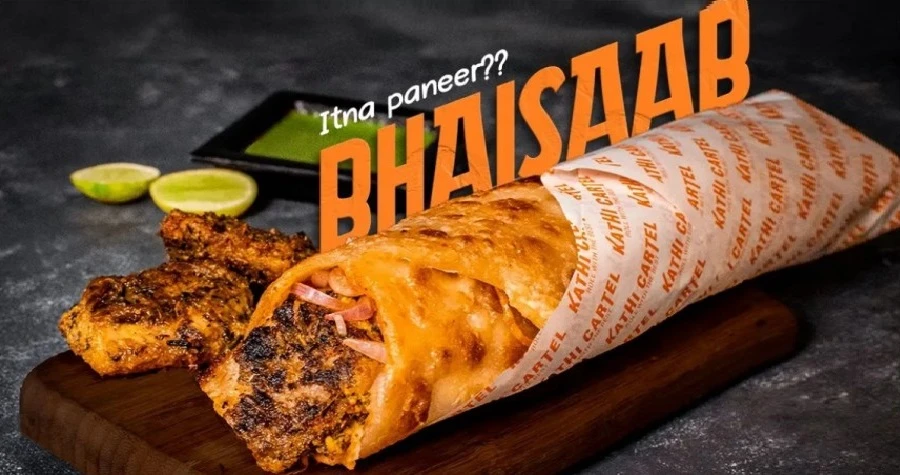
- Kathi rolls (chicken, paneer, and other fillings)
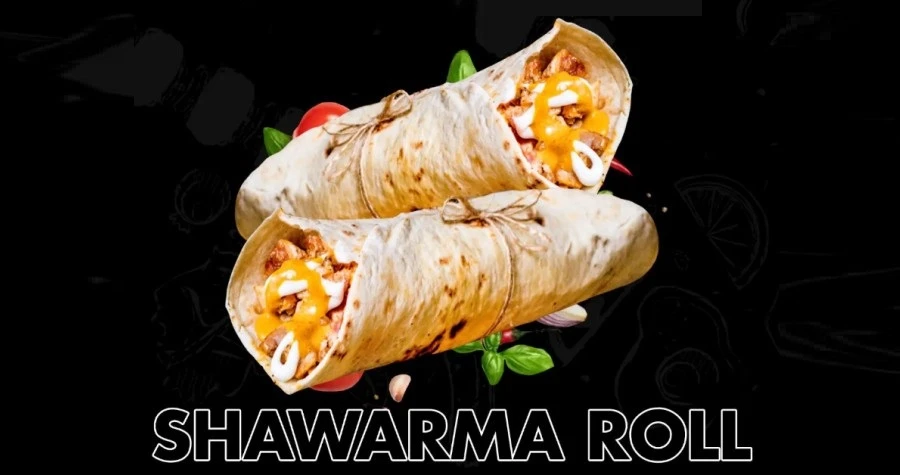
- Wraps and quick meal options
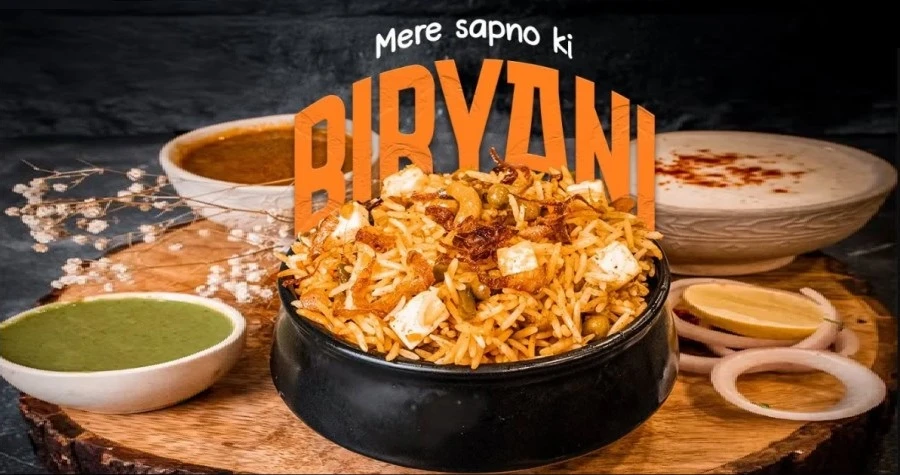
- Hyderabadi-style biryani
- North Indian curries (e.g., butter chicken)
- Combo meals and value offerings
Menu Characteristics:
- Vegetarian and non-vegetarian options
- Customizable and portion-based meals
- Balanced mix of snacks and full meals
This diversified menu allows the outlet to cater to both snack-based and meal-based demand.
4. Franchise Structure and Operating Model
The franchise is structured as a small-format food outlet operated by the franchise partner under standardized processes.
Franchise Partner Role:
- Set up and manage daily outlet operations
- Handle food preparation, staffing, and customer service
- Manage local marketing and order flow
Franchisor Role:
- Provide brand identity and menu framework
- Offer operational processes and recipe standardization
- Support sourcing and supply chain alignment
Operational Expectations:
- Maintain consistency in taste and portion sizes
- Ensure hygiene and food safety compliance
- Manage quick service delivery timelines
5. Franchise Cost and Investment
The investment level aligns with a compact QSR format, making it relatively accessible within the food service sector.
Investment Overview:
- Total investment falls within INR 10–20 lakh
- Franchise fee acts as an upfront licensing cost for brand usage
- Royalty is charged as a percentage of sales
Cost Components:
- Kitchen setup and cooking equipment
- Outlet interiors and branding
- Initial inventory and raw materials
- Licenses and regulatory approvals
- Working capital for initial operations
This structure reflects a lower capital requirement compared to full-service restaurant formats.
6. Space and Setup Requirements
The outlet operates efficiently within a small footprint.
Key Requirements:
| Area | 200 – 500 sq. ft. |
|---|---|
| Location | High footfall zones such as markets, food streets, or near offices and colleges |
Infrastructure Needs:
- Compact kitchen setup with prep and cooking stations
- Service counter for order handling
- Storage for raw materials and packaging
Staffing:
- Limited team handling kitchen operations and customer service
7. Training and Franchise Support
Franchise partners receive operational support to ensure consistency and efficiency.
Support Areas:
- Food preparation training and recipe standardization
- Outlet setup and workflow planning
- Supply chain and ingredient sourcing guidance
- Operational procedures for order handling
- Ongoing support for quality and performance monitoring
These systems reduce operational complexity and help maintain uniform output.
8. Revenue Model and ROI Factors
Revenue is driven by volume-based food sales with a focus on affordability and repeat consumption.
Revenue Drivers:
- High demand for quick meals and snacks
- Strong takeaway and delivery orders
- Frequent repeat purchases due to accessible pricing
Cost Considerations:
- Raw material and packaging costs
- Staff wages
- Rent and utilities
- Royalty payments
ROI Insight:
The business indicates a relatively quick recovery cycle compared to larger restaurant formats, supported by lower setup costs and high transaction frequency.
9. Brand Background and Expansion
The brand draws on long-term experience in food and hospitality operations, with its current format introduced in 2019 and franchising initiated in 2023.
The franchise network is currently in an early expansion stage, with a limited number of outlets and plans to grow through both physical outlets and cloud kitchen formats.
10. What Makes This Franchise Different
A key operational distinction lies in combining street food formats like rolls and wraps with full-meal offerings such as biryani and curries within a single QSR setup.
This hybrid positioning allows:
- Higher order value compared to single-category fast food outlets
- Broader customer appeal across snack and meal occasions
- Efficient kitchen operations using overlapping ingredients and preparation methods
The integration of delivery-friendly menu items also strengthens scalability in urban markets.
11. Key Advantages of the Franchise
- Growing demand for quick service food formats
- Compact setup with lower space requirements
- Multi-channel revenue (dine-in, takeaway, delivery)
- Repeat customer potential driven by affordability
- Standardized menu and operational processes
- Scalable across dense urban locations
12. Who Should Consider This Franchise
This opportunity may be suitable for:
- First-time entrepreneurs entering the food service sector
- Existing QSR operators looking to expand
- Investors seeking moderate investment food businesses
- Individuals targeting high-footfall urban locations
- Operators interested in delivery-focused food models
Similar Franchise Opportunities
Investors exploring quick service restaurant franchises in India may also consider:
- Faasos
- Rolls Mania
- BOX8
- Biryani By Kilo
- The Belgian Waffle Co
These brands operate in the QSR and delivery-focused segment, offering comparable business models with variations in menu specialization and scale.
What is the investment required for Kathi Cartel franchise?
The investment required typically ranges between INR 10 lakh and 20 lakh. This includes outlet setup, kitchen equipment, branding, initial inventory, and working capital needed to operate a quick service restaurant efficiently.
How does the Kathi Cartel franchise business operate?
The business operates as a quick service restaurant offering rolls, wraps, and North Indian meals. Orders are fulfilled through walk-in customers, takeaway, and online delivery platforms, ensuring multiple revenue streams from a compact outlet.
What space is required for the franchise?
A space between 200 and 500 square feet is sufficient for setting up the outlet. The format is designed for compact locations with high footfall, such as markets, office areas, and college zones.
How long does it take to recover the investment?
The expected payback period is typically between one and two years. Actual recovery depends on location performance, order volume, cost control, and the efficiency of operations.
How can investors apply for the franchise?
Investors can begin by contacting the brand’s franchise team. The process generally includes application review, location approval, agreement signing, and assistance with outlet setup and operational launch. ## Similar Franchise Opportunities
