


Kaleidocare Early Age Education Franchise
Brand & Franchise Snapshot
| Brand Name | Kaleidocare Early Age Education |
|---|---|
| Industry | Preschool & Early Childhood Education |
| Founded | 2014 |
| Franchise Started | 2025 |
| Franchise Outlets | 1–10 |
| Estimated Investment | INR 10 Lakh – 20 Lakh |
| Franchise Fee | INR 50,00,000 |
| Royalty Fee | 20% |
| Space Requirement | 800 – 1000 sq. ft. |
| Staff Requirement | 6–12 (teachers, caregivers, admin staff) |
| Expected Payback Period | 2–3 months |
1. What is Kaleidocare Early Age Education?
Kaleidocare Early Age Education is a preschool and early learning center operating in the education sector, focused on providing structured early childhood development programs for young children.
It belongs to the preschool franchise category, serving families seeking foundational education that combines cognitive, emotional, and social development for children in early learning stages.
2. How the Business Works
The business operates as a center-based education model delivering structured programs for early learners.
Customer Journey
- Parents inquire about programs and enroll children
- Children attend daily sessions based on age groups
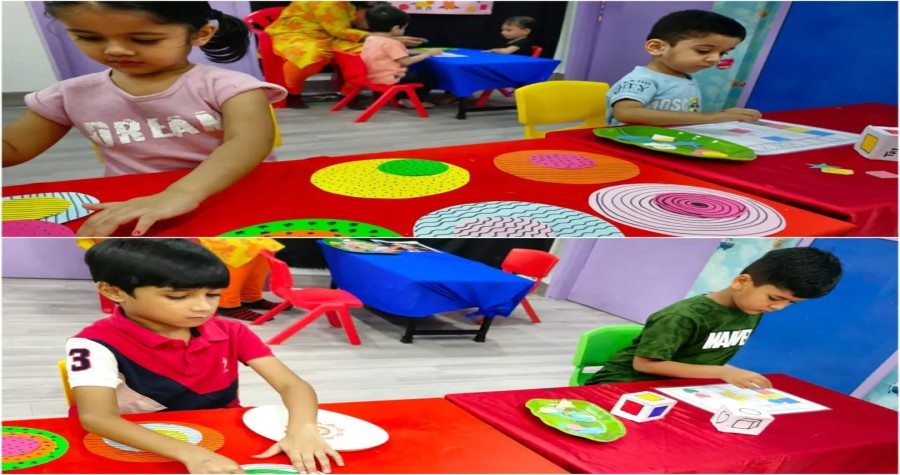
- Teachers conduct structured and activity-based learning sessions
- Parents receive regular updates on progress and development
Operational Workflow
- Enrollment and batch planning
- Classroom-based teaching with defined curriculum
- Continuous child assessment and reporting
- Parent interaction and engagement programs
Revenue Generation
- Admission and registration fees
- Monthly or term-based tuition fees
- Additional program or activity charges
3. Products or Services Offered
The offering is centered on early childhood education programs and development activities.
Core Educational Programs
- Playgroup and nursery programs
- Pre-primary learning modules
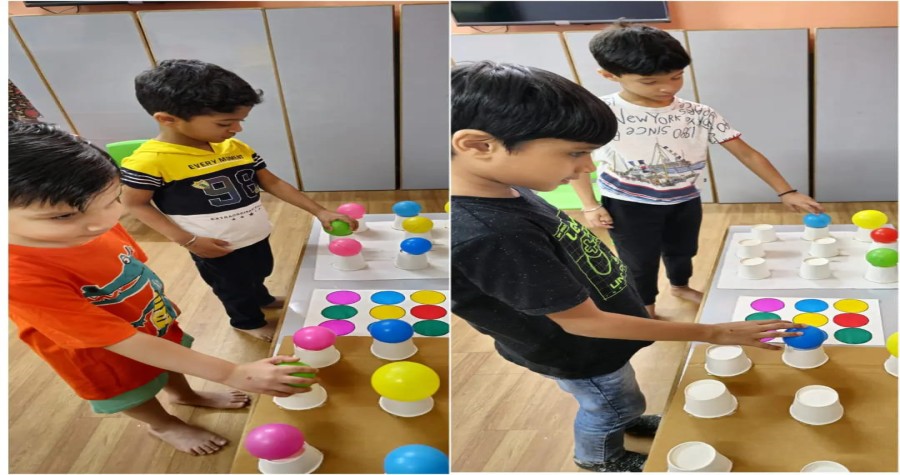
- Activity-based and experiential learning sessions
Development-Focused Services
- Cognitive and language skill development
- Social interaction and communication activities
- Emotional and behavioral development programs
Additional Engagement
- Parent workshops and interaction sessions
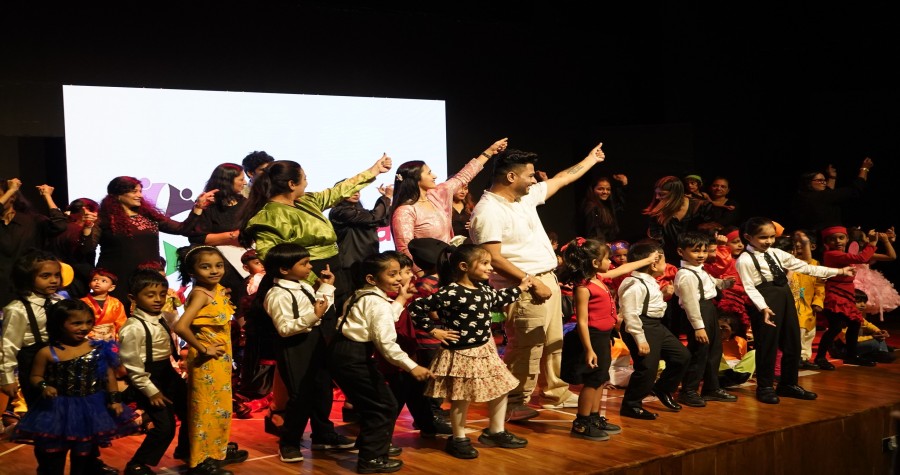
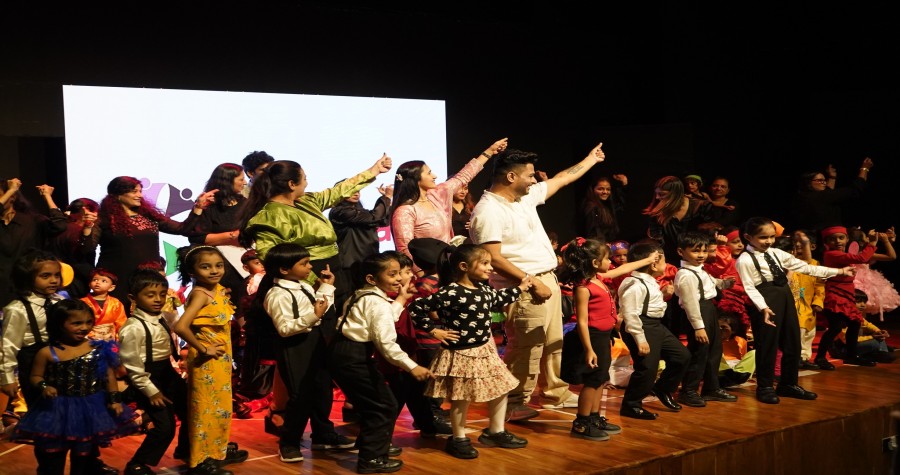
- Events and group activities for children
4. Franchise Structure and Operating Model
The model is a standardized preschool franchise system with curriculum and operational support.
Franchise Partner Role
- Set up and manage the preschool center
- Hire and supervise teaching and support staff
- Handle admissions and local marketing
- Maintain quality standards in operations
Franchisor Role
- Provide curriculum and teaching frameworks
- Offer training for teachers and staff
- Assist in branding and marketing strategies
- Guide operational processes and quality control
This structure ensures consistency across centers while allowing local operational flexibility.
5. Franchise Cost and Investment
The investment falls within the mid-range education franchise segment, with a significant upfront brand fee component.
Key Cost Elements
- Franchise fee and licensing
- Infrastructure setup including classrooms and learning materials
- Furniture and child-safe equipment
- Marketing and pre-launch expenses
- Working capital for staff and operations
The royalty fee contributes to curriculum development, brand management, and ongoing support systems.
6. Space and Setup Requirements
The preschool requires a child-friendly, safe, and accessible environment.
Space Details
Area: 800 – 1000 sq. ft.
- Preferably located in residential neighborhoods
Setup Requirements
- Classrooms with age-appropriate furniture
- Activity and play areas
- Safety features and hygiene infrastructure
Staffing
- Trained teachers
- Caregivers and assistants
- Administrative support
7. Training and Franchise Support
Support is focused on education delivery and center management.
Training Includes
- Teaching methodologies and curriculum execution
- Classroom management techniques
- Child safety and development practices
- Parent communication and engagement
Ongoing Support
- Curriculum updates and academic planning
- Marketing guidance and branding
- Operational monitoring and quality audits
These systems help maintain consistent educational standards across locations.
8. Revenue Model and ROI Factors
Revenue is driven by recurring fee-based income from enrolled students.
Revenue Drivers
- Admissions and student intake capacity
- Fee structure and program pricing
- Retention rates of enrolled children
- Additional programs and activities
ROI Considerations
- High dependence on occupancy levels
- Stable income through recurring fees
- Lower inventory-related costs compared to retail businesses
The expected payback period is relatively short, though it depends on achieving stable enrollment quickly.
9. Brand Background and Expansion
Kaleidocare was established in 2014 with a focus on early childhood education and has built experience in delivering structured learning programs.
Franchising began in 2025 as part of an expansion strategy to extend its presence across multiple cities and reach more families.
10. What Makes This Franchise Different
The model emphasizes integrated child development rather than purely academic preschool training, combining structured curriculum with emotional and social development systems.
Unlike many preschools that focus mainly on classroom teaching, this approach integrates parent engagement, personalized learning, and developmental tracking, creating a more holistic education framework.
11. Key Advantages of the Franchise
- Growing demand for structured early childhood education
- Recurring revenue through fee-based model
- Strong parent engagement and retention potential
- Standardized curriculum and operational support
- Scalable model across residential locations
- Opportunity to build long-term community presence
12. Who Should Consider This Franchise
This opportunity may be suitable for:
- Individuals interested in the education sector
- First-time entrepreneurs looking for service-based businesses
- Educators or professionals with teaching backgrounds
- Investors seeking recurring income models
- Entrepreneurs focused on community-based businesses
Frequently Asked Questions
What is the investment required for Kaleidocare Early Age Education franchise?
The investment typically ranges between INR 10 lakh and 20 lakh, excluding the franchise fee. This includes infrastructure setup, classroom equipment, and operational costs required to establish and run a preschool center.
How does the Kaleidocare franchise business operate?
The business operates as a preschool offering structured early education programs. Franchisees manage daily operations, enroll students, and deliver curriculum-based learning, while the brand provides academic frameworks and operational support.
What space is required for the franchise?
A space of approximately 800 to 1000 sq. ft. is required. The location should be safe, accessible, and preferably within residential areas to attract families with young children.
How long does it take to recover the investment?
The expected payback period is estimated at 2 to 3 months. Actual recovery depends on achieving sufficient student enrollment and maintaining consistent occupancy levels.
How can investors apply for the franchise?
Investors can apply by contacting the brand, completing the onboarding process, setting up the center according to guidelines, and launching operations with support and training from the company.
Similar Franchise Opportunities
Entrepreneurs exploring preschool and early education franchises may also consider:
- EuroKids
- Kidzee
- Bachpan Play School
- Little Millennium
- Kangaroo Kids
These brands operate in the early childhood education sector with similar center-based franchise models.