


Hakura Franchise
Brand & Franchise Snapshot
| Brand Name | Hakura |
|---|---|
| Industry | Consumer Electronics / Smart Home Appliances Retail |
| Founded Year | 2017 |
| Franchise Started | 2017 |
| Total Franchise Outlets | 20–50 |
| Estimated Investment | INR 2 Lakh – 10 Lakh |
| Franchise Fee | INR 50,000 |
| Royalty Fee | Not structured as a traditional royalty; revenue is driven through product sales margins |
| Space Requirement | 100 – 400 sq. ft. |
| Staff Requirement | Small team for sales and service operations |
| Expected Payback Period | 2–3 years |
1. What is Hakura?
Hakura is a consumer electronics and smart home appliance retail brand that operates through an experience-based franchise model. The business focuses on selling household equipment such as oil extraction machines, kitchen appliances, and home automation products to urban and semi-urban consumers.
It falls within the broader retail franchise category, combining physical product sales with service support and assisted digital commerce.
2. How the Business Works
The Hakura franchise operates as a hybrid retail and distribution model. Customers interact with the business through physical experience centres where they can explore and test appliances before purchase.
The operational flow typically includes:
- Walk-in or digitally generated customer enquiries
- Product demonstrations at the outlet
- Order placement either in-store or via centralized systems
- Delivery fulfilled locally by the franchise partner
- Post-sale service handled at the franchise level with periodic technical support
Revenue is generated through product sales. Additional demand is supported through digital marketing and tele-calling efforts, which help drive customer traffic and conversions.
3. Products or Services Offered
Franchise outlets offer a range of home-focused consumer products, including:
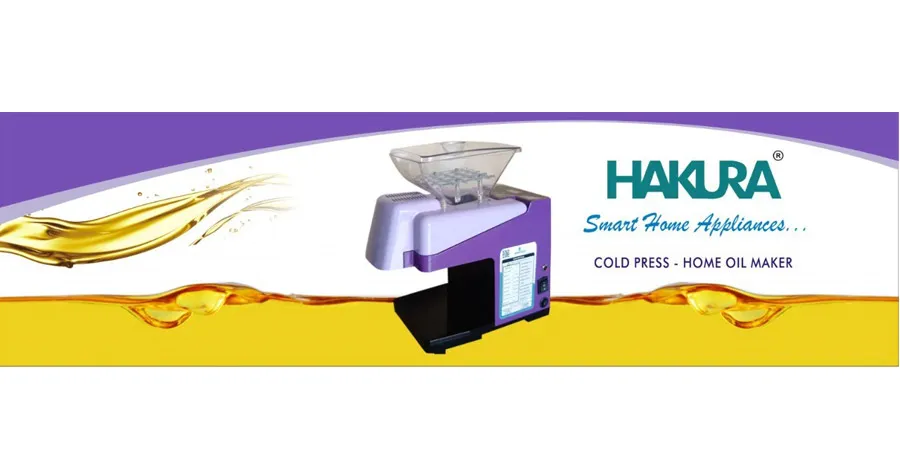
- Cold Oil Press Machines
Equipment for extracting edible oils at home or small commercial scale
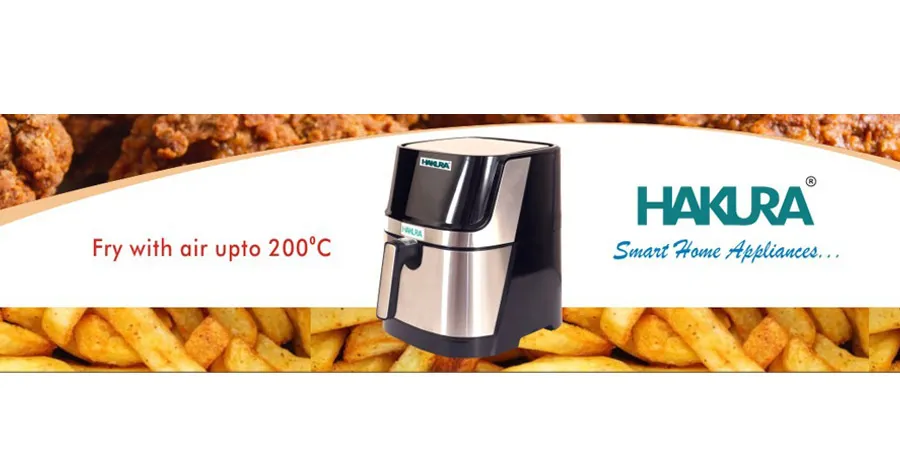
- Kitchen and Food Appliances
Includes devices such as air fryers and spice processing units
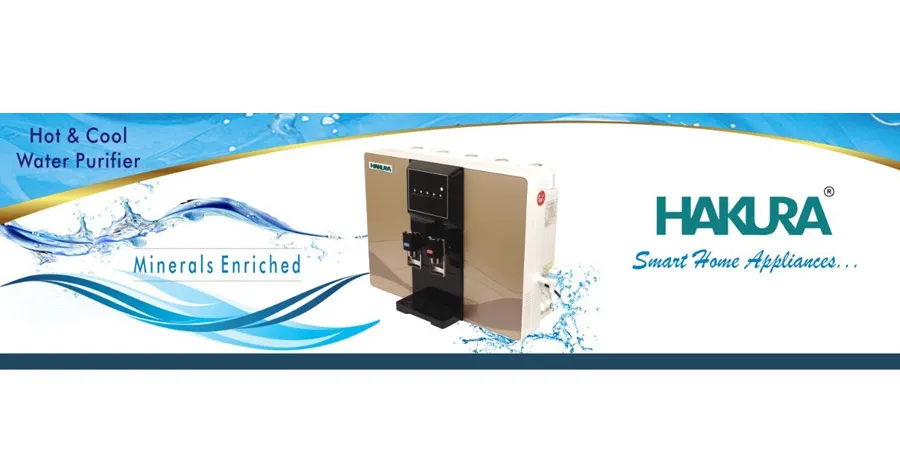
- Water Purification Systems
Water purifiers and dispensers for residential and office use
- Home Automation and Utility Devices
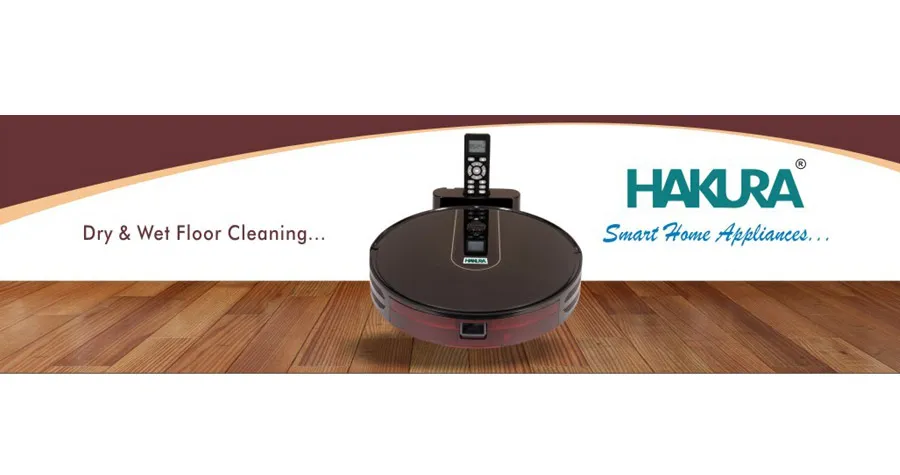
Products such as robotic mops and smart appliances
- After-Sales Service
Maintenance and servicing support for purchased products
The product mix targets households interested in health-focused and convenience-driven appliances.
4. Franchise Structure and Operating Model
The franchise model positions partners as local operators responsible for both sales and service delivery.
Key responsibilities of the franchise partner include:
- Operating a physical experience centre
- Demonstrating products to customers
- Managing local marketing and lead conversion
- Handling last-mile delivery within assigned pin codes
- Providing after-sales service and customer support
The franchisor supports the network by:
- Allocating service territories based on pin codes
- Managing centralized order generation for online sales
- Providing periodic technical service support
- Establishing operational frameworks for sales and service
This creates a semi-centralized system where demand generation can be shared between the company and the franchise network.
5. Franchise Cost and Investment
Starting a Hakura franchise involves moderate capital investment relative to other retail formats.
- The total setup cost typically includes showroom setup, inventory procurement, and operational expenses.
- A one-time brand licensing fee is required to access the franchise system.
- Revenue is primarily margin-based, meaning earnings depend on product sales rather than fixed service fees.
In this type of retail franchise, inventory planning and working capital play a significant role in overall investment requirements.
6. Space and Setup Requirements
The business is designed for compact retail formats.
Typical setup requirements include:
| Area | 100 to 400 sq. ft. |
|---|---|
| Location | High-visibility commercial areas or residential catchments with strong household demand |
| Infrastructure | Display units for appliances, demonstration areas, and storage space |
| Equipment | Basic showroom fixtures and product display setups |
| Staffing | Sales personnel with basic product knowledge and a technician for service support |
The experience-centre concept requires a layout that allows customers to interact with products before purchase.
7. Training and Franchise Support
Support is structured around both sales and service operations.
Franchise partners typically receive:
- Guidance on setting up and managing the experience centre
- Product training to enable effective demonstrations and sales
- Assistance in digital and telemarketing-driven lead generation
- Periodic technical visits from company service experts
- Frameworks for handling customer service and after-sales support
These systems are intended to ensure consistent customer experience across locations.
8. Revenue Model and ROI Factors
Revenue is generated through the sale of consumer appliances, with income dependent on product mix and sales volume.
Key revenue drivers include:
- Demand for health-oriented appliances such as oil extraction machines
- Increasing adoption of smart home and convenience devices
- Local marketing and lead generation efficiency
- Repeat purchases and referrals from existing customers
The model also includes:
- Territory-based delivery rights tied to pin codes
- Potential additional sales from centrally generated online orders
Payback typically depends on maintaining consistent monthly sales levels and efficient inventory turnover.
9. Brand Background and Expansion
The business originated in 2017 and operates within the consumer appliance segment. Expansion has been driven through franchising, with a network of outlets established across multiple cities.
The brand’s growth approach includes:
- Building a distributed network of experience centres
- Expanding digital sales channels alongside physical retail
- Increasing brand visibility through planned large-scale marketing campaigns
10. What Makes This Franchise Different
Unlike conventional electronics retail stores that primarily display boxed products, Hakura’s model emphasizes interactive product experience centres. Customers are encouraged to test appliances before purchase, which is particularly relevant for niche products like oil extraction machines.
Additionally, the integration of centralized online order booking with local franchise delivery creates a hybrid distribution system that blends e-commerce with localized fulfillment.
11. Key Advantages of the Franchise
- Moderate investment compared to large-format electronics retail
- Product categories aligned with health, convenience, and home automation trends
- Experience-based retail model that supports higher customer engagement
- Combination of offline sales and centralized online order flow
- Territory-based delivery system providing local exclusivity
- Structured after-sales service support
12. Who Should Consider This Franchise
This opportunity may suit:
- Entrepreneurs interested in consumer electronics or home appliance retail
- First-time business owners looking for a structured retail model
- Individuals with experience in sales, distribution, or service operations
- Investors seeking a compact showroom-based business
- Operators comfortable managing both sales and after-sales service
Similar Franchise Opportunities
Entrepreneurs evaluating Hakura may also consider comparable opportunities in the consumer electronics and appliance retail space:
- Eureka Forbes
- Kent RO Systems
- Livpure
- Usha International
- Prestige (TTK Prestige)
These brands operate in adjacent product categories and offer alternative franchise or distribution-based business models within the same industry.
Accepting franchise applications in 24 states & UTs
What is the investment required for Hakura franchise?
The total investment typically falls within a moderate range, covering showroom setup, initial inventory, and operational expenses. A one-time franchise fee is also applicable. Working capital requirements depend on product assortment and expected monthly sales volume.
How does the Hakura franchise business operate?
The business runs through experience centres where customers explore and test products before purchasing. Orders may be generated locally or through centralized systems, with franchisees handling delivery and service within assigned territories.
What space is required for the franchise?
A compact retail space between 100 and 400 square feet is generally sufficient. The outlet should be located in an area with good visibility and accessibility to residential customers.
How long does it take to recover the investment?
The expected payback period is typically within a few years, depending on sales performance, local demand, and operational efficiency. Consistent monthly revenue and inventory management play a key role in achieving returns.
How can investors apply for the franchise?
Interested individuals can initiate the process by contacting the brand directly through its official communication channels. The onboarding process usually includes evaluation, agreement finalization, and setup support. ## Similar Franchise Opportunities
