



Grab That Bowl Franchise
Franchise Quick Facts
| Brand Name | Grab That Bowl |
|---|---|
| Industry / Business Category | Quick Service Restaurant (QSR) / Cloud Kitchen & Kiosk Food Model |
| Founded Year | 2024 |
| Franchise Started Year | 2024 |
| Total Franchise Outlets | 1 to 10 |
| Estimated Investment | INR 5 Lakh – 10 Lakh |
| Franchise Fee | Included within overall setup or structured as brand licensing in QSR models |
| Royalty Fee | 6% |
| Space Requirement | 120 – 400 sq.ft |
| Staff Requirement | Small team for food assembly and order handling |
| Expected Payback Period | 1–2 Years |
1. What is Grab That Bowl?
Grab That Bowl is a quick service restaurant brand operating in the fast-casual dining segment, specializing in ready-to-assemble meals such as rice bowls, wraps, snacks, and beverages. It targets urban consumers seeking convenient, portion-controlled meals that balance speed, taste, and nutritional value.
2. How the Business Works
Customers interact with the brand through takeaway counters, kiosks, or online delivery platforms. Orders are placed for ready-designed menu items, which are assembled on-site using pre-prepared ingredients supplied from a centralized system.
The outlet workflow focuses on quick assembly rather than full-scale cooking. Ingredients are portioned and combined according to standardized recipes, allowing fast service and consistent output. Revenue is generated through individual order sales across dine-in (limited), takeaway, and delivery channels.
3. Products or Services Offered
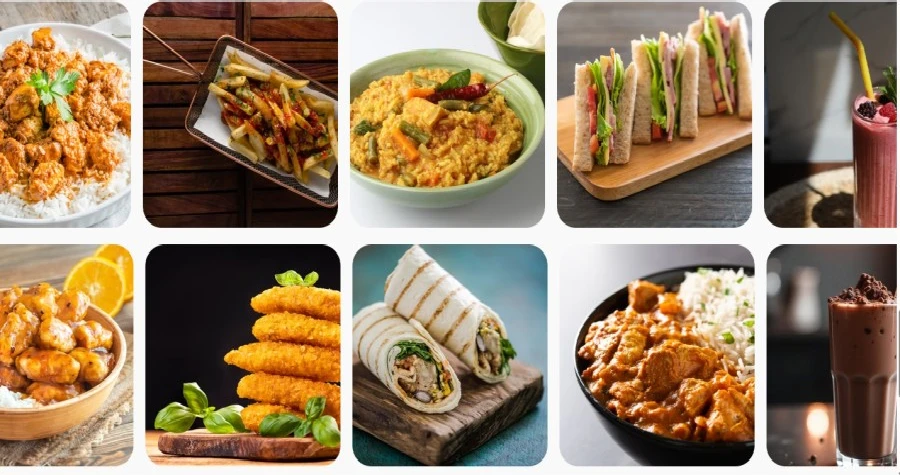
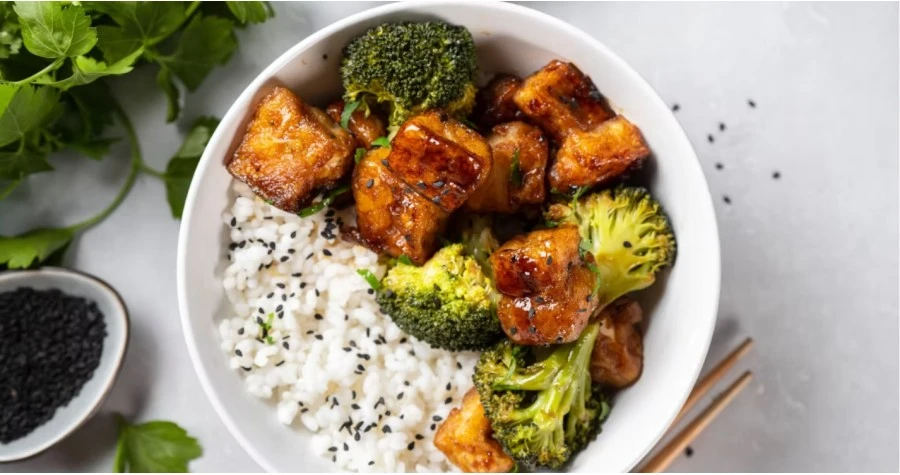
- Signature Rice Bowls – Meals combining grains, proteins, vegetables, and sauces
- Wraps and Quick Meals – Portable food options designed for convenience
- Snacks and Sides – Fried or baked accompaniments for add-on sales
- Beverages and Shakes – Smoothies, shakes, and refreshment options
- Custom Meal Combinations – Pre-structured combinations designed for balanced portions
4. How the Franchise Model Works
| Role of Franchise Partner | Operate a kiosk or cloud kitchen, manage orders, and ensure service quality |
|---|---|
| Franchise Owner Responsibilities | Handle daily operations, staffing, local promotions, and inventory management |
| Outlet Operations | Focus on assembling pre-prepared ingredients using standardized processes rather than traditional cooking |
| Franchisor Support | Provides centralized supply chain, recipes, operational guidelines, and brand systems |
5. Franchise Cost and Investment Overview
| Estimated Investment Range | INR 5 Lakh – 10 Lakh |
|---|---|
| Franchise Fee | Structured as part of brand onboarding and setup costs in QSR systems |
| Royalty / Ongoing Fees | 6% of revenue |
| Setup Costs Include | Kitchen equipment, storage units, branding, packaging systems, and initial inventory |
6. Space and Infrastructure Requirements
| Required Space | 120 – 400 sq.ft suitable for kiosks or compact kitchens |
|---|---|
| Preferred Locations | High-footfall areas, food courts, commercial zones, or delivery-focused locations |
| Equipment Needs | Refrigeration, heating units, assembly counters, and storage systems |
| Staffing Needs | Minimal staff required due to simplified assembly-based operations |
7. Training and Franchise Support
| Operational Training | Instruction on food assembly processes, order handling, and hygiene standards |
|---|---|
| Standardized Recipes | Pre-defined preparation guidelines ensuring uniform taste and portion control |
| Supply Chain Support | Centralized sourcing of ingredients for consistency and efficiency |
| Marketing Assistance | Brand-level campaigns and local promotional guidance |
| Ongoing Support | Assistance in operations, inventory management, and performance optimization |
8. Revenue Model and ROI Factors
| Revenue Source | Sales of bowls, wraps, snacks, and beverages |
|---|---|
| Pricing Structure | Mid-range pricing aligned with urban quick-service dining |
| Customer Demand | Driven by demand for fast, convenient, and relatively healthier meal options |
| Repeat Purchase Potential | High, due to daily consumption behavior and variety in menu combinations |
| Operational Efficiency | Lower labor dependency and reduced wastage support margin stability |
| Expected Payback Period | 1–2 years depending on location and order volume |
9. Brand History and Expansion
| Established Year | 2024 |
|---|---|
| Franchise Launch | Initiated in the same year as part of rapid expansion strategy |
| Network Size | Early-stage network with limited outlets |
| Expansion Approach | Focus on scalable formats such as cloud kitchens and kiosks across urban markets |
10. Key Advantages of the Franchise
- Low space requirement suitable for compact urban setups
- Simplified kitchen operations with assembly-based workflow
- Centralized supply system reducing operational complexity
- Strong alignment with growing demand for quick, balanced meals
- Flexible formats including cloud kitchen and kiosk models
11. Who Should Consider This Franchise
- First-time entrepreneurs entering the food service sector
- Investors looking for compact, low-overhead QSR formats
- Operators interested in delivery-focused food businesses
- Individuals seeking scalable and process-driven food ventures
Similar Franchise Opportunities
1. BOX8 – Indian meal bowls and quick-service delivery model
2. Faasos by Rebel Foods – Wraps and cloud kitchen-based QSR
3. Biryani By Kilo – Delivery-first food brand with centralized kitchens
4. FreshMenu – Online-first food service platform
5. EatFit – Health-focused meal delivery brand
This profile presents a neutral, research-focused overview of Grab That Bowl, highlighting operational structure, investment requirements, and franchise model for potential investors.
What is the investment required for Grab That Bowl franchise?
The investment typically ranges between INR 5 Lakh and 10 Lakh. This includes setup costs for a compact kitchen or kiosk, equipment, branding, and initial inventory required to start operations.
How does the Grab That Bowl franchise business work?
The business operates on an assembly-based model where pre-prepared ingredients are combined into final dishes at the outlet. Orders are fulfilled quickly through takeaway or delivery channels, generating revenue from high-volume daily transactions.
What space is required for the franchise?
The brand requires a compact area between 120 and 400 sq.ft. This makes it suitable for kiosks, food courts, or cloud kitchens focused on delivery operations.
How long does it take to recover the investment?
The expected payback period is around 1 to 2 years. Returns depend on order volume, location performance, and operational efficiency.
How can investors apply for the franchise?
Prospective partners can connect with the brand to understand location feasibility, operational requirements, and onboarding steps, followed by setup and training before launching the outlet. ### Similar Franchise Opportunities
