


Golden Bells Pre School Franchise
Franchise Quick Facts
| Brand Name | Golden Bells Pre School |
|---|---|
| Industry / Business Category | Preschools / Early Childhood Education |
| Founded Year | 2004 |
| Franchise Started Year | 2019 |
| Total Franchise Outlets | 1–10 |
| Estimated Investment | INR 10 Lakh – 20 Lakh |
| Franchise Fee | INR 6,50,000 |
| Royalty Fee | 10% |
| Space Requirement | 1500 – 3000 Sq.ft |
| Staff Requirement | Teachers, caretakers, administrative staff |
| Expected Payback Period | 8–9 Months |
1. What is Golden Bells Pre School?
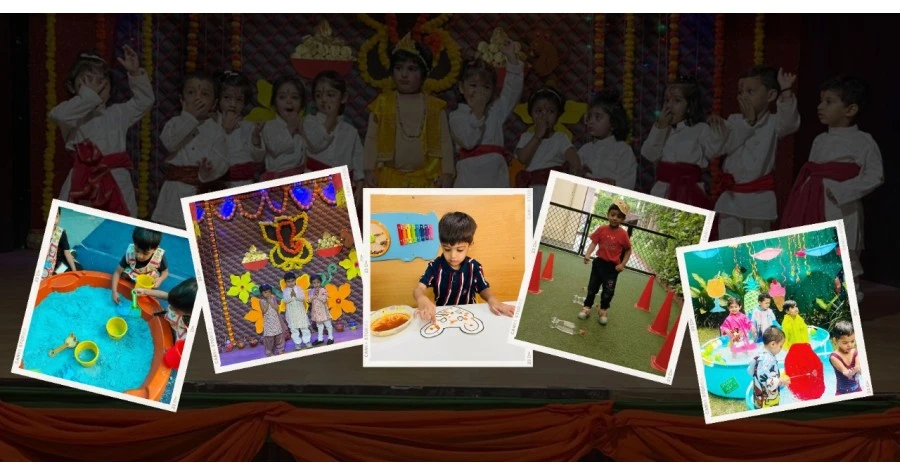
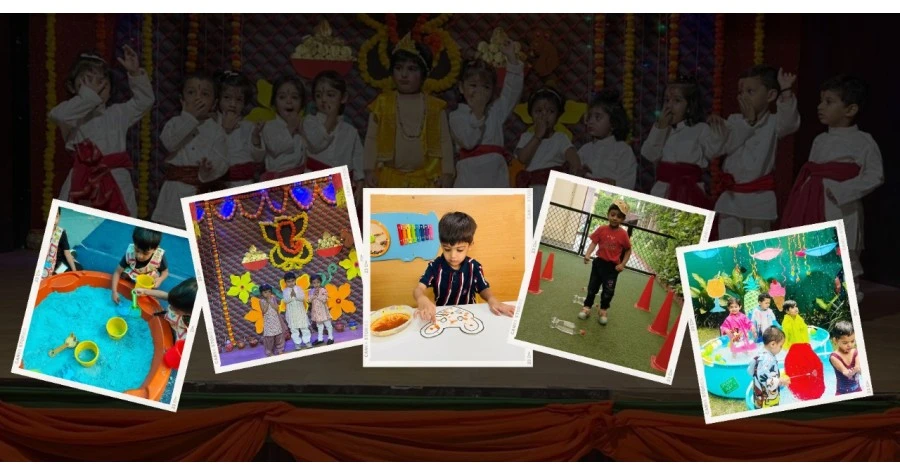
Golden Bells Pre School is an early childhood education franchise operating in the preschool and foundational learning segment, offering structured learning programs for children typically aged 2 to 6 years. It functions within the education franchise category, focusing on pre-primary schooling, developmental learning, and school readiness.
2. How the Business Works
The business operates as a preschool center where parents enroll children into structured programs. The customer journey begins with admissions, followed by regular classroom engagement, developmental activities, and periodic assessments.
Daily operations include conducting classes, managing student safety, coordinating activities, and communicating with parents. Revenue is primarily generated through admission fees, tuition fees, and additional services such as activity programs or daycare extensions.
3. Products or Services Offered
| Pre-School Programs | Playgroup, nursery, and kindergarten levels |
|---|---|
| Theme-Based Learning | Structured curriculum designed around activity-based modules |
| Digital Learning Integration | Web-based learning tools and platforms |
| Student Development Activities | Creative, analytical, and social skill-building exercises |
| Safety & Care Services | Secure campus systems and health-related support |
| Meal Programs | Nutritious food offerings for enrolled children |
4. How the Franchise Model Works
| Role of Franchise Partner | Set up and operate a preschool center under the brand |
|---|---|
| Responsibilities | Student admissions, staff management, daily operations, and parent engagement |
| Franchisor Support | Curriculum design, training, branding, and operational frameworks |
| Operational Structure | The franchisee manages the center locally while adhering to standardized educational and operational systems |
The model relies on consistent academic delivery and localized enrollment growth.
5. Franchise Cost and Investment Overview
| Estimated Investment | INR 10 Lakh – 20 Lakh |
|---|---|
| Franchise Fee | INR 6,50,000 |
| Royalty Fee | 10% of revenue |
| Key Cost Components | — |
- Classroom setup and interiors
- Learning materials and equipment
- Staff recruitment and training
- Licensing, branding, and marketing
- Safety and infrastructure systems
Education franchises typically allocate significant investment toward infrastructure and learning environments.
6. Space and Infrastructure Requirements
| Space Requirement | 1500 to 3000 Sq.ft |
|---|---|
| Location Preference | Residential neighborhoods, school zones, or family-centric areas |
| Infrastructure Needs | — |
- Classrooms with activity zones
- Play areas (indoor/outdoor)
- Administrative office
- Safety systems and entry controls
- Staffing Requirements: Qualified teachers, support staff, and administrative personnel
7. Training and Franchise Support
| Academic Training | Curriculum implementation and teaching methodologies |
|---|---|
| Operational Training | Center management and admission processes |
| Marketing Support | Branding, promotions, and enrollment campaigns |
| Setup Assistance | Infrastructure planning and classroom design |
| Ongoing Guidance | Continuous academic updates and operational support |
These systems help maintain consistency in learning outcomes and operations.
8. Revenue Model and ROI Factors
| Primary Revenue Streams | Admission fees and recurring tuition fees |
|---|---|
| Additional Income Sources | Activity fees, daycare services, and special programs |
| Demand Drivers | Increasing focus on early childhood education and structured preschooling |
| Customer Retention | Multi-year enrollment cycles improve revenue stability |
| Expected Payback Period | Approximately 8–9 months, depending on enrollment levels and fee structure |
9. Brand History and Expansion
| Established | 2004 |
|---|---|
| Franchise Expansion Began | 2019 |
| Operational Presence | Limited but expanding franchise network |
| Student Base Insight | Thousands of children have completed programs, with ongoing enrollments across centers |
| Expansion Strategy | Growth through franchise partnerships in urban and semi-urban areas |
10. Key Advantages of the Franchise
- Strong demand for preschool education in urban markets
- Recurring revenue through academic cycles
- Structured curriculum and operational systems
- Scalable model with moderate investment
- Early-stage expansion offering growth potential
11. Who Should Consider This Franchise
- Entrepreneurs interested in the education sector
- Individuals with access to suitable property in residential areas
- First-time business owners seeking structured service models
- Education professionals or school operators expanding into preschooling
- Investors focused on community-based service businesses
Similar Franchise Opportunities
- Kidzee
- EuroKids
- Little Millennium
- Bachpan Play School
- Hello Kids
Accepting franchise applications in 10 states & UTs
What is the investment required for Golden Bells Pre School franchise?
The investment ranges between INR 10 lakh and 20 lakh. This includes franchise fees, infrastructure setup, classroom equipment, staffing, and initial marketing required to launch and operate the preschool.
How does the Golden Bells Pre School franchise business operate?
The franchise operates as a preschool offering structured early education programs. Revenue is generated through admissions and tuition fees, while daily operations involve teaching, student care, and managing parent communication.
What space is required for the franchise?
A space between 1500 and 3000 square feet is required. The location should ideally be in residential areas and must accommodate classrooms, play zones, and administrative areas.
How long does it take to recover the investment?
The expected payback period is around 8 to 9 months. Recovery depends on enrollment capacity, fee structure, and operational efficiency in attracting and retaining students.
How can investors apply for the franchise?
Investors can apply by submitting a franchise enquiry to the brand. The process typically includes evaluation, agreement, location approval, and setup support before operations begin. ## Similar Franchise Opportunities
