


Fundoo Labs Franchise
Franchise Quick Facts
| Brand Name | Fundoo Labs |
|---|---|
| Industry / Business Category | Vocational Training / Ed-tech (STEM Education) |
| Founded Year | 2016 |
| Franchise Started Year | 2018 |
| Total Franchise Outlets | 1–10 |
| Estimated Investment | INR 2 Lakh – 5 Lakh |
| Franchise Fee | INR 50,000 |
| Royalty Fee | 15% |
| Space Requirement | 200 – 600 sq.ft |
| Staff Requirement | Trainers/instructors, center coordinator, support staff |
| Expected Payback Period | 1–2 Years |
1. What is Fundoo Labs?
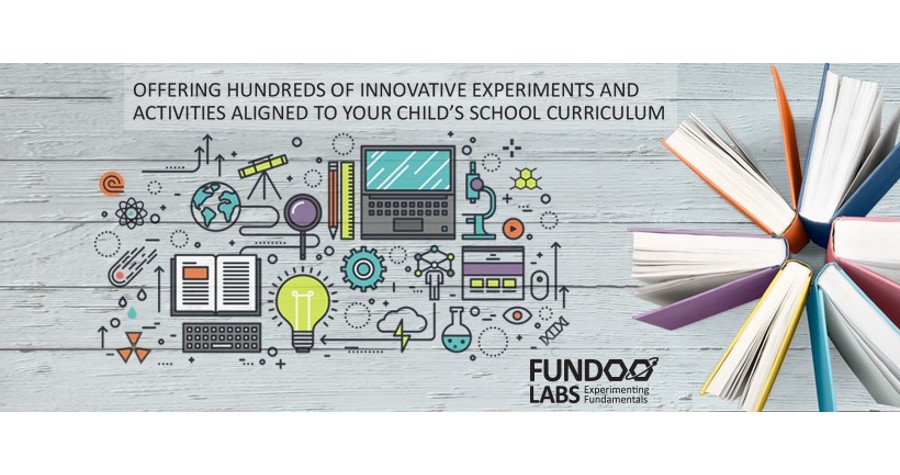
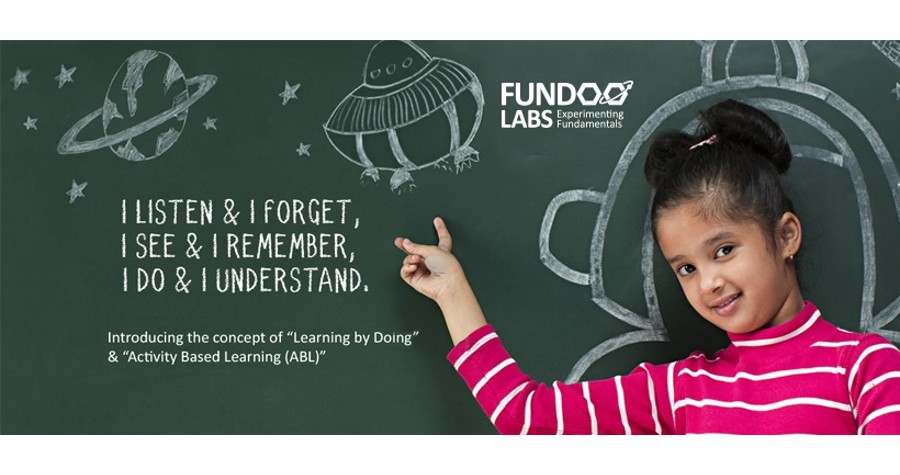
Fundoo Labs is an ed-tech and vocational training franchise focused on delivering hands-on science and technology education through structured lab-based learning programs. It operates in the STEM and robotics education segment, serving schools and students with practical learning environments designed to complement academic curricula.
2. How the Business Works
The business operates through learning centers or institutional partnerships where students participate in structured, activity-based programs. Schools or parents enroll students into STEM-based modules conducted at labs or partner locations.
Daily operations include managing lab sessions, delivering curriculum-based activities, maintaining equipment, and coordinating with schools. Revenue is generated through program fees, institutional contracts, and recurring student enrollments across academic cycles.
3. Products or Services Offered
STEM and Experiential Learning Solutions
| Tinkering Labs | Spaces for experimentation and applied science learning |
|---|---|
| STEM Labs | Integrated science, technology, engineering, and math programs |
| Science Innovation Labs | Practical learning environments focused on experimentation |
| Maker’s Space | Project-based creation using tools like electronics and prototyping systems |
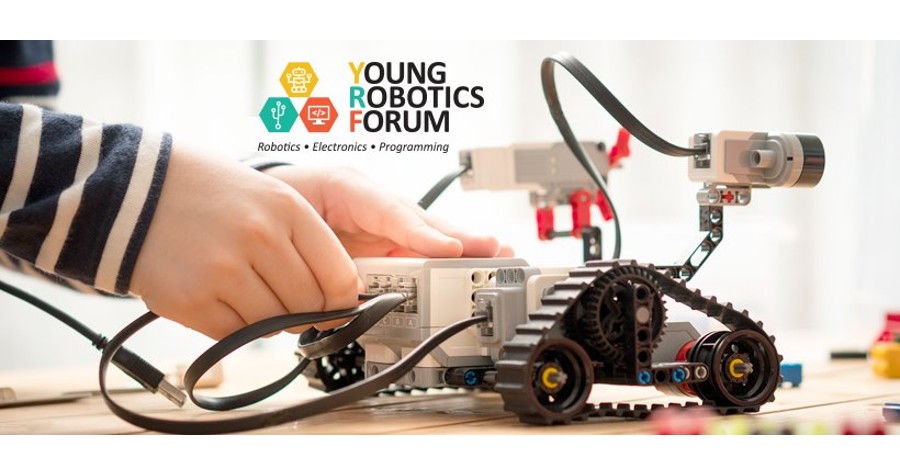
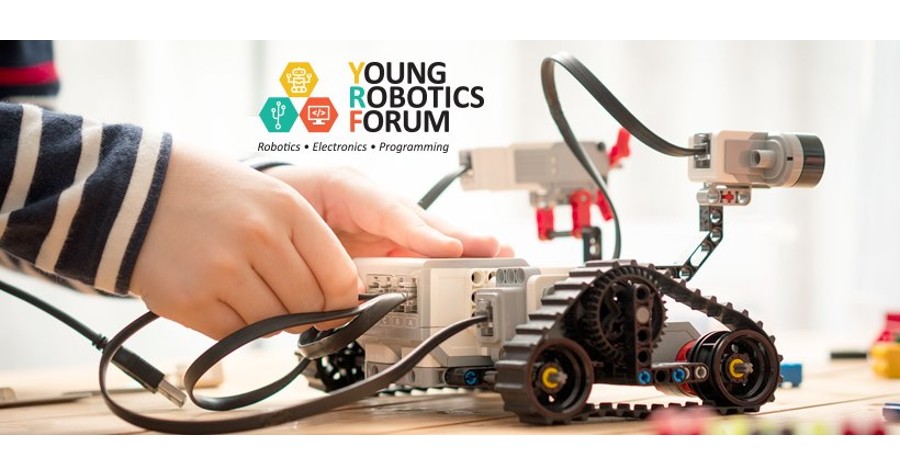
| Robotics and Coding Programs | Training in robotics, IoT, electronics, and programming |
| Educational Kits and Resources | Tools and materials used for hands-on instruction |
4. How the Franchise Model Works
Franchise partners operate local training centers or manage institutional tie-ups with schools. The franchisor provides curriculum, lab setup guidance, and access to educational tools.
Franchisees are responsible for student enrollment, managing trainers, conducting sessions, and maintaining operational standards. The relationship is structured around standardized curriculum delivery, with ongoing support for content updates and technical implementation.
5. Franchise Cost and Investment Overview
| Total Investment | INR 2 Lakh – 5 Lakh |
|---|---|
| Franchise Fee | INR 50,000 |
| Royalty | 15% of revenue |
| Setup Costs Include | Lab equipment, educational kits, interiors, and branding |
| Operational Costs | Trainer salaries, rent, maintenance, and marketing |
This investment structure reflects a relatively low-entry education franchise model compared to full-scale academic institutions.
6. Space and Infrastructure Requirements
| Space Requirement | 200 – 600 sq.ft |
|---|---|
| Preferred Locations | Schools, education hubs, residential areas, or commercial complexes |
| Infrastructure Needs | Lab setup with STEM kits, robotics tools, computers, and learning materials |
| Staffing | Qualified trainers with knowledge of STEM subjects and basic technical skills |
The setup focuses more on functional lab space rather than large classroom infrastructure.
7. Training and Franchise Support
Franchise partners receive structured support to operate the center effectively:
- Training on curriculum delivery and lab operations
- Access to standardized educational content and kits
- Marketing and branding assistance for local outreach
- Technical support for robotics, IoT, and coding programs
- Ongoing updates to curriculum and product offerings
These systems help maintain consistency in learning outcomes across locations.
8. Revenue Model and ROI Factors
Revenue is generated through student enrollment fees, school partnerships, and recurring program subscriptions. Demand is driven by increasing interest in STEM education and skill-based learning.
Repeat enrollment is common as students progress through different levels of programs. With moderate setup costs and recurring income streams, the model supports a projected payback period of 1–2 years depending on enrollment scale and institutional tie-ups.
9. Brand History and Expansion
| Founded | 2016 |
|---|---|
| Franchise Expansion Began | 2018 |
| Network Size | Early-stage expansion with limited franchise outlets |
| Market Presence | Focus on Indian education sector with school partnerships |
| Growth Strategy | Expansion through localized franchise centers and institutional collaborations |
10. Key Advantages of the Franchise
- Increasing demand for STEM and robotics education
- Low to moderate investment compared to traditional education businesses
- Recurring revenue through academic programs
- Structured curriculum and operational support
- Opportunity to scale through school partnerships
11. Who Should Consider This Franchise
- Entrepreneurs interested in the education and ed-tech sector
- Individuals with a background in teaching, science, or technology
- Investors seeking low-investment, scalable service businesses
- Professionals aiming to build education-focused community ventures
Similar Franchise Opportunities
- Kidzee – Early childhood education franchise network
- EduCADD – Skill-based technical training centers
- NIIT – IT and professional education provider
- BYJU’S – Digital learning platform with hybrid models
- EuroKids – Preschool and early education franchise
Accepting franchise applications in 16 states & UTs
What is the investment required for Fundoo Labs franchise?
The investment typically ranges between INR 2 lakh and 5 lakh, including franchise fees, lab setup, and operational costs. The relatively lower capital requirement makes it accessible compared to larger education franchises. Additional expenses depend on location and scale of operations.
How does the Fundoo Labs franchise business work?
The business operates through STEM learning centers or school partnerships where students participate in hands-on educational programs. Franchisees manage operations, trainers, and enrollments, while using standardized curriculum and tools provided by the brand.
What space is required for the franchise?
A compact setup of 200 to 600 sq.ft is generally sufficient to run a learning lab. The space should accommodate equipment, student workstations, and instructor-led sessions, making it suitable for small commercial or institutional environments.
How long does it take to recover the investment?
The expected payback period is approximately 1 to 2 years. Recovery depends on student enrollment numbers, school tie-ups, and the ability to maintain consistent program demand throughout the academic year.
How can investors apply for the franchise?
Prospective franchisees can apply through official franchise onboarding channels. The process typically involves inquiry submission, evaluation, agreement finalization, and setup support, followed by training and operational launch. ## Similar Franchise Opportunities
