


Foggy Franchise
Franchise Quick Facts
| Brand Name | Foggy |
|---|---|
| Industry / Business Category | Footwear Retail |
| Founded Year | 2017 |
| Franchise Started Year | Not specified (indicates expansion via distribution/franchise model) |
| Total Franchise Outlets | 1 to 10 |
| Estimated Investment | INR 50,000 – 2 Lakh |
| Franchise Fee | INR 50,000 |
| Royalty Fee | 30% |
| Space Requirement | 250 – 1000 sq. ft. |
| Staff Requirement | Sales staff for retail operations |
| Expected Payback Period | 1–11 months |
1. What is Foggy?
Foggy is a footwear brand operating in the retail and fashion accessories segment, offering a wide range of shoes designed for everyday use, formal occasions, and lifestyle wear. The franchise functions as a retail footwear outlet providing multiple product categories to customers seeking both functional and style-oriented footwear.
2. How the Business Works
The business operates as a retail footwear store where customers visit physical outlets to browse and purchase shoes across different categories.
Daily operations involve product display, customer assistance, size trials, billing, and inventory management. Revenue is generated through direct product sales, with margins depending on pricing, product mix, and volume of footfall. The model is inventory-driven, requiring regular stock replenishment and merchandising.
3. Products or Services Offered
The franchise outlet offers multiple footwear categories:
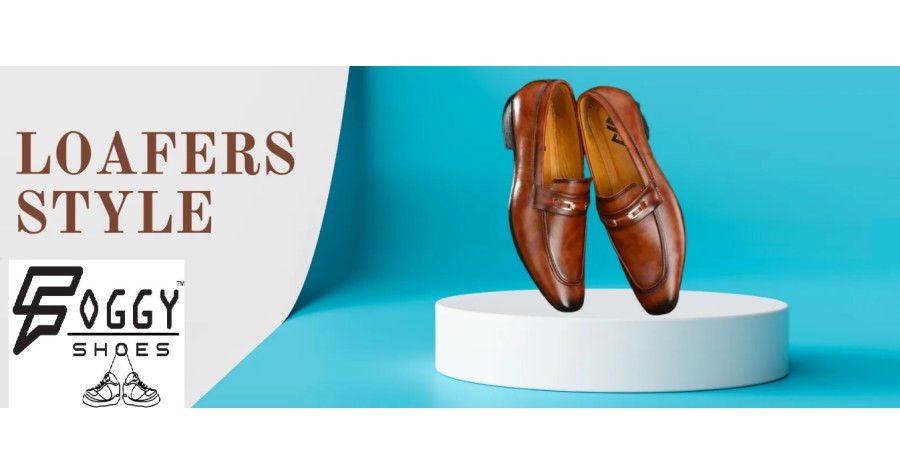
- Loafers – slip-on footwear for casual and semi-formal use
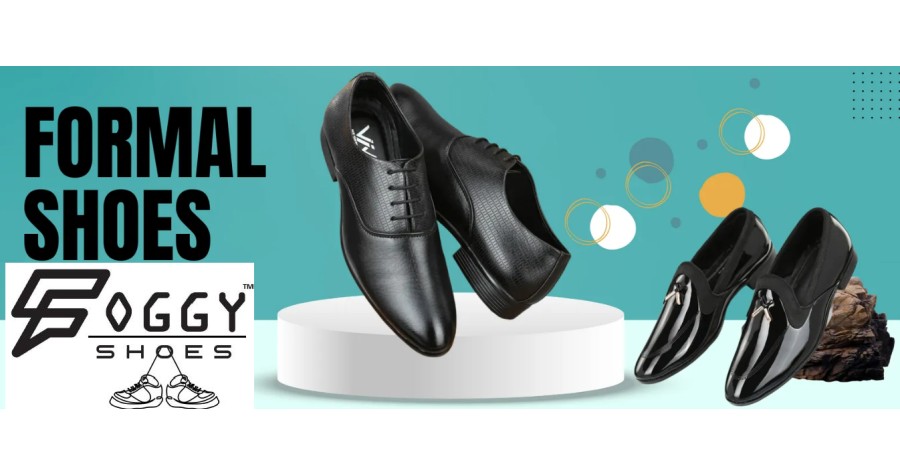
- Formal Shoes – office and occasion-based footwear
- Sneakers – casual and sports-inspired designs
- Casual Shoes – daily wear footwear
- Boots – seasonal and outdoor footwear
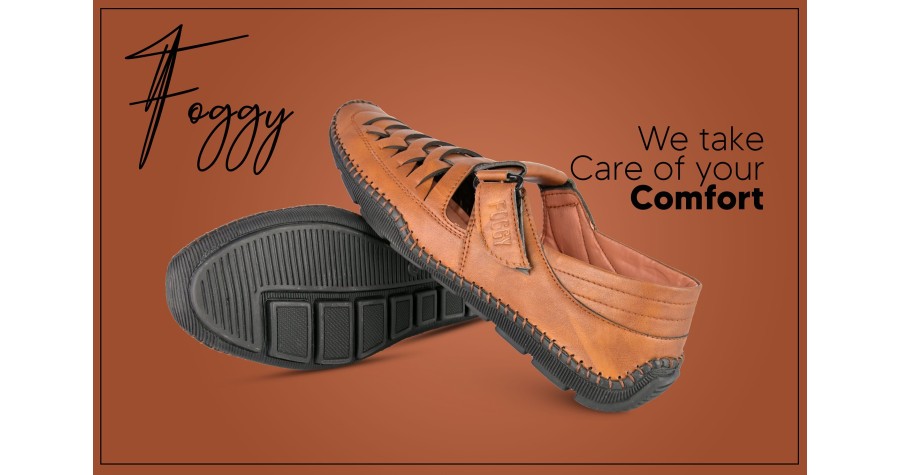
- Roman Sandals – open footwear for warmer conditions
The range is designed to cover different usage occasions and customer segments within a single store.
4. How the Franchise Model Works
The franchise operates as a branded retail outlet.
Franchisee responsibilities
- Setting up and managing the store
- Maintaining inventory and product display
- Handling sales and customer service
- Managing local marketing and walk-in traffic
Franchisor responsibilities
- Supplying branded footwear products
- Providing brand identity and product standards
- Offering guidance on store setup and operations
The relationship is product-supply driven, where the franchisee focuses on retail execution.
5. Franchise Cost and Investment Overview
| Estimated Investment | INR 50,000 – 2 Lakh |
|---|---|
| Franchise Fee | INR 50,000 |
| Royalty | 30% |
Investment typically covers:
- Initial inventory purchase
- Store setup and fixtures
- Branding and signage
- Working capital for operations
The relatively low entry cost positions the business as a small-format retail opportunity.
6. Space and Infrastructure Requirements
| Space Requirement | 250 – 1000 sq. ft. |
|---|---|
| Preferred Locations | High footfall retail areas, markets, or shopping streets |
| Setup Needs | — |
- Display racks and shelving
- Trial area for customers
- Billing counter and storage
Staffing typically includes 1–3 sales personnel depending on store size.
7. Training and Franchise Support
Support is generally focused on retail execution:
- Guidance on store layout and merchandising
- Product knowledge training
- Inventory selection and stock planning
- Branding and visual display standards
Such support helps franchise partners maintain consistency in customer experience and product presentation.
8. Revenue Model and ROI Factors
Revenue is generated through footwear sales across multiple categories.
Key drivers include:
- Footfall and location quality
- Product variety and pricing strategy
- Seasonal demand (festivals, weddings, weather changes)
- Repeat purchases for daily-use footwear
With relatively low investment and fast-moving inventory, the payback period can range from 1 to 11 months depending on sales velocity and operational efficiency.
9. Brand History and Expansion
| Established | 2017 |
|---|---|
| Parent Company | SMC International Company (MSE-based enterprise) |
| Expansion Model | Retail distribution and franchise-led growth |
The brand operates within the organized footwear retail segment, focusing on expanding through small-format retail outlets.
10. Key Advantages of the Franchise
- Low investment entry compared to large retail formats
- Broad product range covering multiple customer needs
- Daily-use category with consistent demand
- Scalable retail model across different locations
- Opportunity to operate in the fashion and lifestyle segment
11. Who Should Consider This Franchise
- First-time entrepreneurs entering retail
- Small business owners seeking low-investment outlets
- Fashion and footwear retailers expanding their portfolio
- Individuals with access to high-footfall retail locations
Similar Franchise Opportunities
- Bata – Mass-market footwear retail
- Relaxo Footwear – Value footwear segment
- Metro Shoes – Premium footwear retail
- Liberty Shoes – Multi-category footwear
- Red Chief – Leather footwear segment
Foggy operates as a product-driven footwear retail model where success depends on store location, inventory mix, and the ability to cater to everyday footwear demand across multiple customer segments.

What is the investment required for Foggy franchise?
The investment ranges from INR 50,000 to 2 lakh, including franchise fee, store setup, and initial inventory. The relatively low capital requirement makes it accessible for small retail entrepreneurs entering the footwear segment.
How does the Foggy franchise business work?
The franchise operates as a retail footwear store. The franchisee manages daily store operations, inventory, and sales, while the brand supplies products and maintains standardization across outlets. Revenue comes from direct product sales.
What space is required for the franchise?
A retail space between 250 and 1000 square feet is typically required. Locations with consistent walk-in traffic such as markets or commercial streets are preferred to support sales volume.
How long does it take to recover the investment?
The expected payback period ranges from 1 to 11 months. Recovery depends on store location, product turnover, pricing strategy, and the ability to maintain consistent customer footfall.
How can investors apply for the franchise?
Investors can apply by contacting the brand, completing onboarding formalities, setting up the retail outlet, and procuring initial inventory. Once operational, the franchisee begins selling under the brand name. ## Similar Franchise Opportunities
